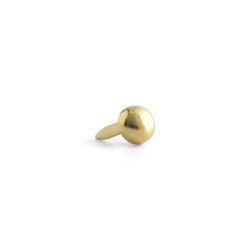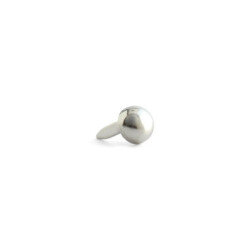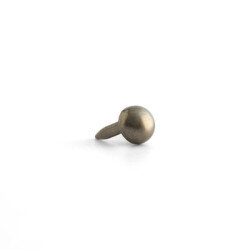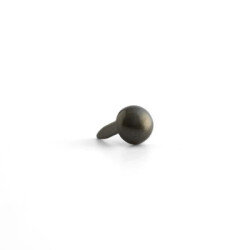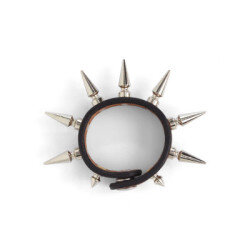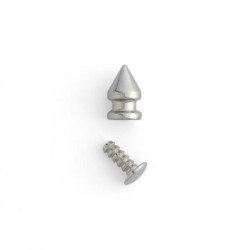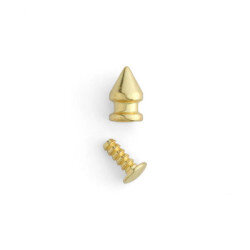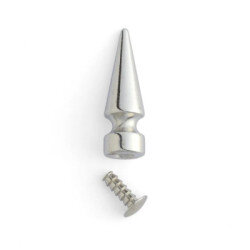
€14.86 (tax incl.)
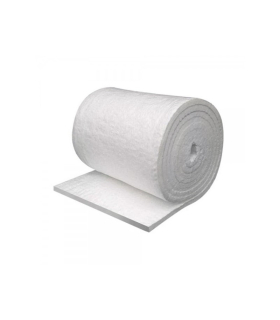
Ceramic insulating blanket for furnaces and forges.
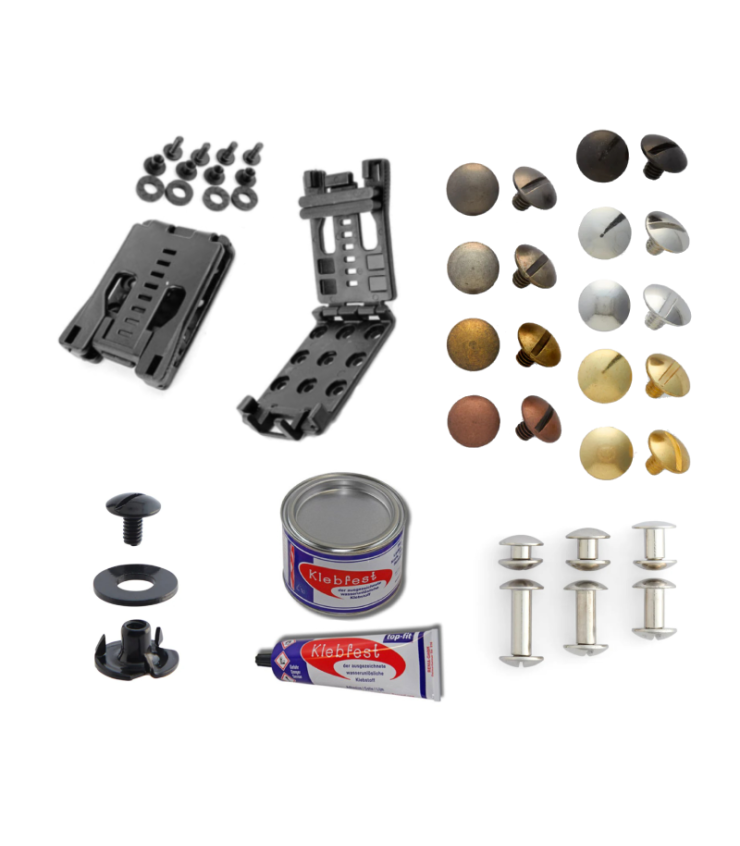
All kinds of craft supplies. Consumables for knives, leather, forging products, spare parts for machines, sanding bands,... separated by the manufacturing process in which they are used. Consumables and supplies for forging, sanding, polishing, fixing and finishing in knives, guns and others.
The world of knife making and sword making demands not only passion and technical skill but also a dependable supply of materials for every crafting phase. From initial steel shaping in the heat of the forge to the meticulous choreography of polishing, consumables play a pivotal role in ensuring quality, efficiency, and the longevity of both tools and finished blades. Understanding the scope, function, and selection of these consumables is fundamental for both amateur crafters and seasoned bladesmiths, directly influencing the results of each project and the evolution of craftsmanship itself.
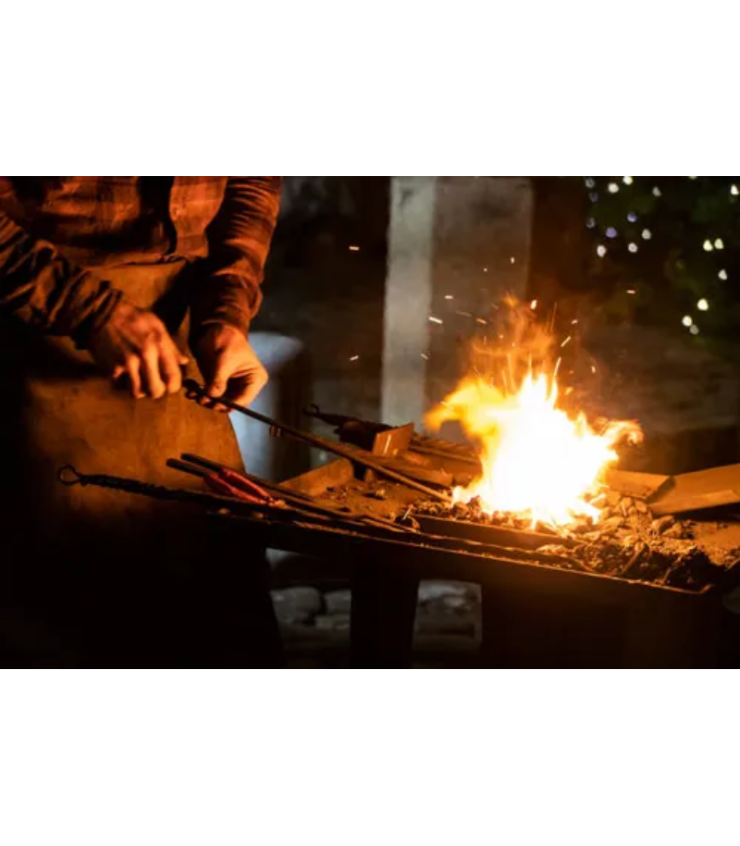
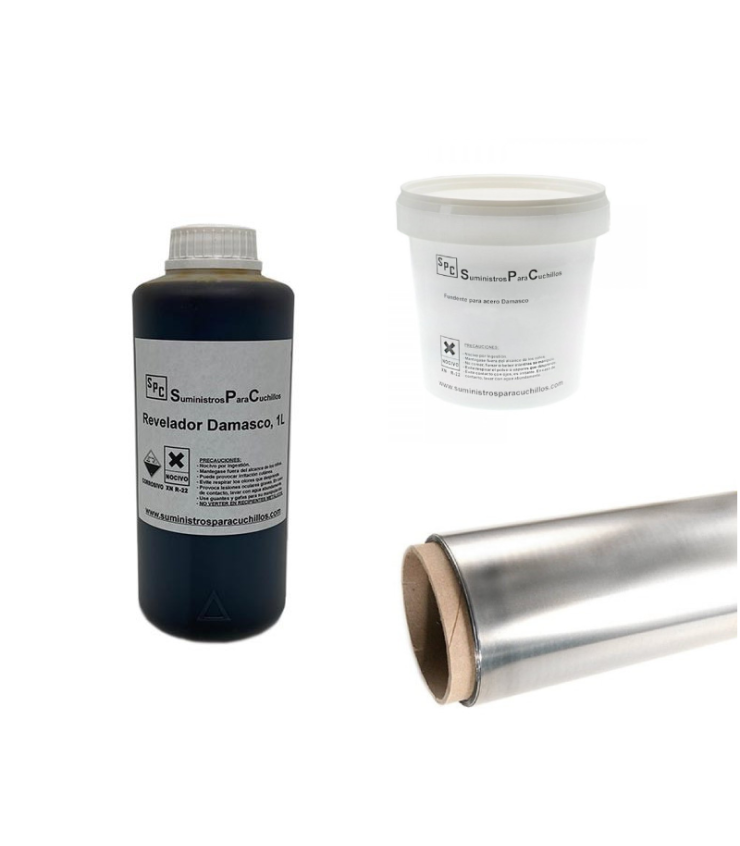
The forging stage initiates the blade’s creation, demanding continuous replenishment of key consumables. Propane, coal, or charcoal serves as essential fuel, sustaining the intense heat required to manipulate steel. The quality and consistency of forge fuel affect the uniformity of heat and, thereby, the workability of the material. Forge welding, especially in Damascus production, relies on flux—typically powdered fundent or proprietary blends—to shield steel from oxidation and promote bond integrity during multiple heating cycles. The core material, whether high carbon steel blanks or patterned billets, is also a consumable, with smiths choosing appropriate compositions according to blade purpose and historical tradition. Even basic items like wire ties, annealing compounds, and refractory bricks require regular replenishment to maintain optimal operation and consistent results in the forge.
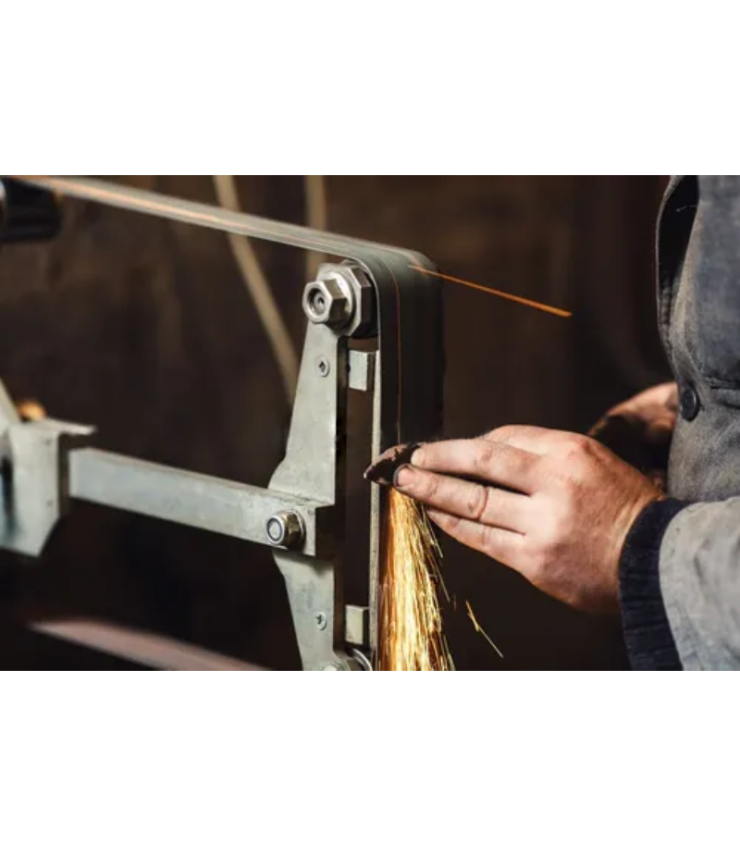
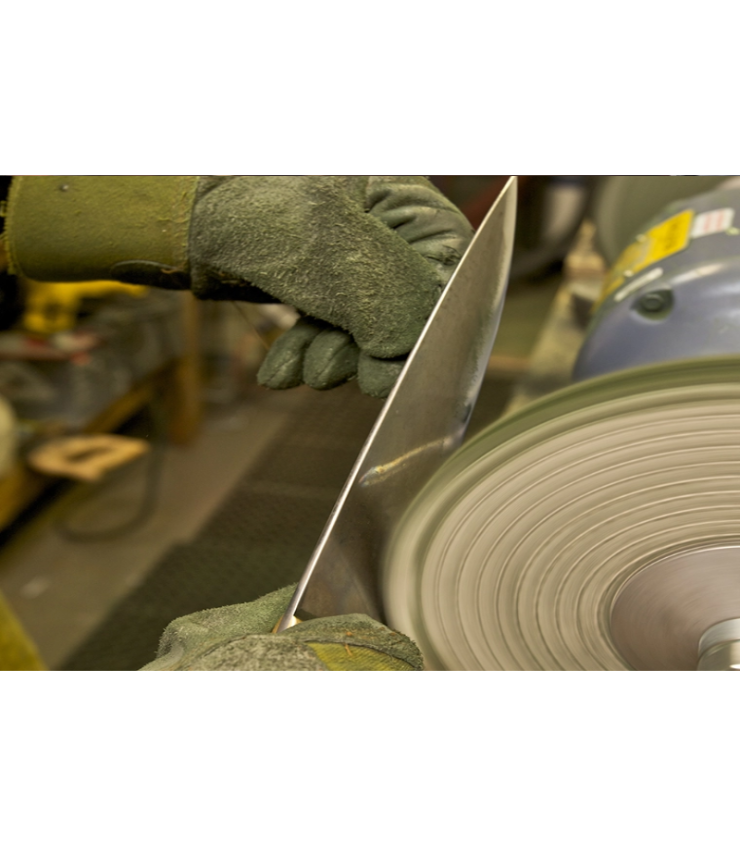
The grinding process depends heavily on specialized consumables, most critically abrasive belts, discs, and wheels. Every knife and sword passes through progressively finer abrasives, beginning with coarse grits for shaping profiles and thinning blades, then shifting to finer grades for bevels and surfaces. High-quality ceramic and zirconia belts dominate rough and intermediate grinding, offering aggressive material removal and durability. As the process advances, aluminum oxide or silicon carbide belts and papers provide smoother finishes. Regular belt change and maintenance are critical because spent abrasives compromise both blade geometry and workshop efficiency. Coolants and lubricants are also integral consumables, whether simple water spray or proprietary solutions used to mitigate heat buildup and extend the lifespan of belts and grinding wheels. Backup contact wheels, platen covers, and anti-clogging dressing sticks round out a well-stocked grinding operation, each consumable deserving strategic monitoring to guarantee consistency and safety.
Exceptional polishing depends on systematic progression through various consumables, enabling bladesmiths to achieve anything from satin sheens to high mirrors. Polishing compounds—including jeweler’s rouge, white diamond, chrome oxide, and specialty steels polishes—are replenished constantly and chosen according to steel alloy and desired finish. These compounds are applied to fabric wheels or pads, with each wheel (cotton, felt, muslin) treated as a consumable after extensive use or contamination. Sandpapers and lapping films in ultra-fine grits are indispensable, especially for hand-finishing intricate profiles or sharpening bevel transitions. For traditional and Japanese-style blades, natural and synthetic stones wear down over time and require periodic replacement. Even masking tape, used to protect finished surfaces during polishing or assembly, constitutes an essential, regularly renewed item in this phase.
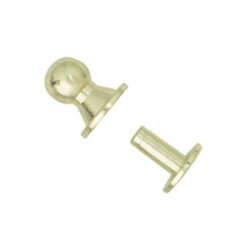
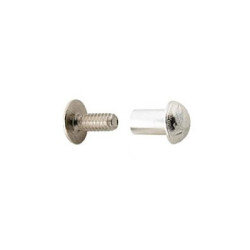
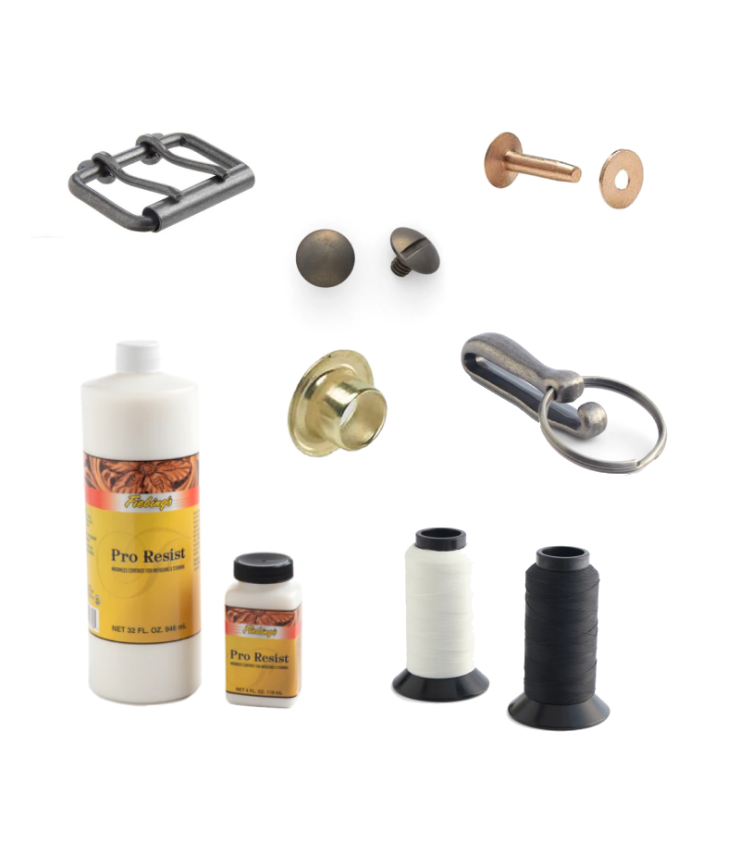
The art of crafting leather sheaths, handles, and accents introduces its own staple consumables. Vegetable-tanned leathers are selected for durability and workability, available in many thicknesses and grades, with offcuts often used for spacers or embellishments. High-strength contact adhesives and epoxies bond leather to liners, wooden handle cores, or metal fittings. Dyes, stains, and antique finishes allow custom color work, while a steady supply of stitching thread—often polyester or linen waxed for additional durability—ensures seams endure heavy use. Rivets, snaps, edge slicking compounds, burnishing waxes, and basic sealers are all consumed with each project, making inventory vigilance crucial for uninterrupted sheath and handle making. The quality, type, and availability of these materials directly impact the tactile comfort and longevity of a finished blade accessory.
For makers favoring modern or tactical designs, Kydex sheaths are indispensable, bringing their own set of consumables to the bench. Kydex and Boltaron sheeting—thermoplastic, heat-moldable, and available in a wide array of colors and thicknesses—is rapidly consumed, especially during prototyping or volume production. Eyelets, screws, mounting hardware, and retention devices are vital for assembly and secure carry, typically replaced between projects. Foam pressing pads and forming jigs may not be consumed but do require eventual replacement due to repeated heating cycles. High-temperature-resistant adhesives and cleaning wipes also contribute to the list of must-have consumables, ensuring consistent sheath formation, assembly, and appearance.
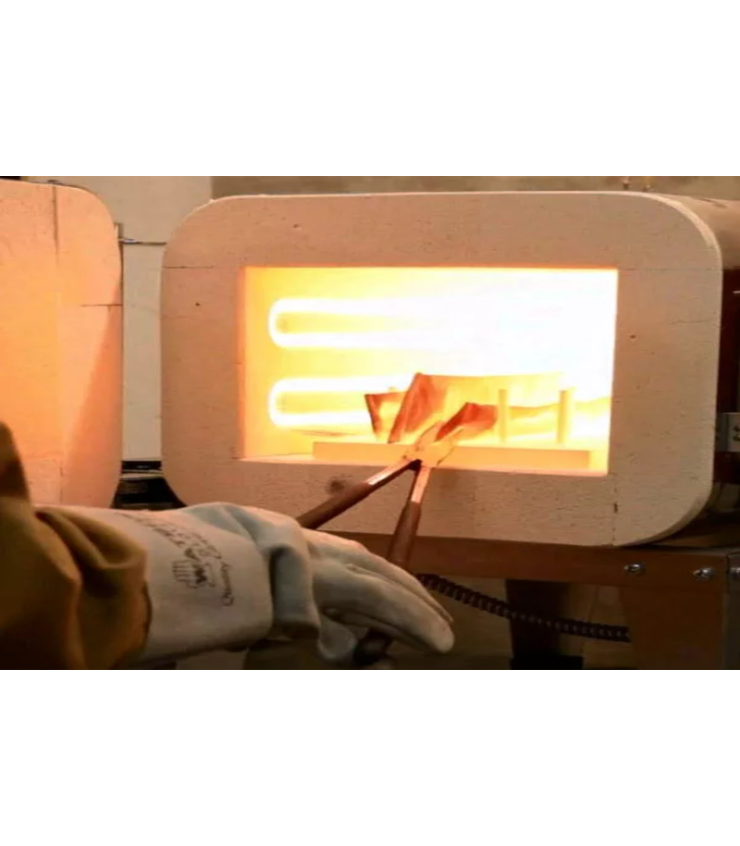
In heat treatment, consumables play a vital role safeguarding steel properties and workshop safety. Quench oils, sales solutions, or engineered quenching fluids provide the medium for rapid cooling and are steadily depleted through usage and oxidation. Stainless and tool steels frequently require tempering foil wraps to avoid decarburizing and scaling during kiln cycles—these foils are single-use and must be stocked appropriately. For measuring critical temperatures, thermocouples and pyrometric sensors eventually deteriorate with repeated cycling and must be recalibrated or replaced. Even inert atmospheres in professional ovens, provided by argon or nitrogen gas tanks, fit the consumable profile, as do descaling compounds for post-quench cleanup. Heat-resistant gloves, tongs, and quenchant filtration media round out the heat treatment workshop, all consumable in pursuit of optimal results and safe metal handling.
At every stage of knife and sword making, the steady supply and intelligent management of consumable materials form the unseen backbone of consistent results and craft evolution. By investing in and maintaining a well-organized inventory of these essential supplies (from abrasives and polishes to adhesives, dyes, and heat-treating solutions) knifemakers empower themselves to face new design challenges, scale up production, and confidently experiment with historic and cutting-edge patterns. In a world where every finished blade tells a story of transformation, the quality and reliability of consumable supplies silently shape that narrative, transforming vision into tangible, lasting steel artistry.
Please sign in first.
Sign in
Create a free account to save loved items.
Sign in