Click for more products.
No produts were found.

Equipment Workshop

€6.65 (tax incl.)
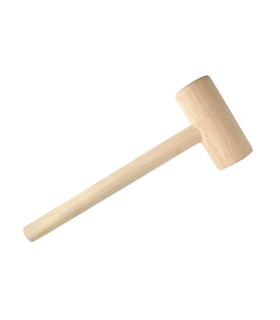
Mallet with wooden head for carving leather.  Extends the life of your leather working tools: dies, chisels,... without damaging the heads.
€18.62 (tax incl.)€26.60
This mallet avoid the rebound when you hit your tools, in the leather stamping process. Also extends the life of your tools.
Showing 1-12 of 100 item(s)

Tools and machines recommended for embossing, saddlery and leather work.

The Ultimate Leather Workshop: Tools and Setup for Saddlery Excellence

A well-organized and properly equipped leather workshop is essential for any serious leatherworker, particularly those specializing in saddlery. The right tools, combined with an efficient workspace, can significantly enhance productivity, precision, and the overall quality of your leather goods. This guide explores the key components of an ideal leather workshop, outlining the essential tools and setup considerations for creating a productive and inspiring environment. From cutting and sewing to finishing and storage, we'll cover everything you need to establish a top-notch leather crafting space.

Workspace Design: Optimizing Efficiency and Comfort

The layout of your leather workshop should be designed to maximize efficiency and comfort. Consider the flow of your work process, from cutting and shaping to sewing and finishing, and arrange your tools and equipment accordingly. A sturdy workbench is the centerpiece of any leather workshop, providing a stable surface for cutting, tooling, and assembly. Ensure your workbench is at a comfortable height to prevent back strain. Good lighting is also crucial, with a combination of overhead and task lighting to illuminate your work area. Adequate storage solutions, such as shelves, drawers, and pegboards, will help keep your tools and supplies organized and within easy reach.

For saddlery work, which often involves larger pieces of leather and specialized equipment, ensure you have ample floor space to maneuver. A well-ventilated area is essential, especially when working with dyes, finishes, and adhesives. Considering these elements will create a workspace where creating, fixing, and innovating saddles becomes a joy.

Essential Cutting Tools: Shaping the Leather

Cutting tools are fundamental to any leather workshop. A sharp leather knife (such as a round knife or utility knife) is essential for making precise cuts and shaping leather. A rotary cutter can be useful for long, straight cuts, while strap cutters ensure consistent strap widths. Leather shears are handy for trimming and shaping lighter-weight leather. A durable cutting mat protects your work surface and extends the life of your blades. The better the cut, the easier it is to continue the job at hand, be that making saddles or creating knife sheaths.

Sewing and Stitching Tools: Joining the Pieces

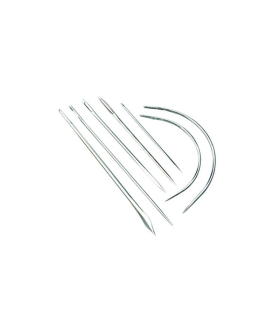
Sewing and stitching tools are essential for joining leather pieces together. A set of leather needles in various sizes is a must, along with a durable thread designed for leatherwork. A leather awl is used to create stitching holes, while stitching chisels (or pricking irons) ensure even stitch spacing. A stitching horse (or clam) holds the leather securely while you sew, freeing up both hands. For larger projects or repetitive tasks, a leather sewing machine can significantly increase efficiency.

For saddlery, where strength and durability are paramount, hand-stitching with an awl and strong thread is often preferred for critical seams. Having the right tools for repair is just as important as it is for new projects. The same holds true for creating robust leather sheaths.

Embossing and Carving Tools: Adding Decoration

Embossing and tooling tools allow you to add decorative elements to your leatherwork. A swivel knife is used to make precise cuts for carving designs, while a variety of leather stamps create patterns and textures. A mallet is used to strike the stamps, transferring the design to the leather. Modeling tools are used to shape and refine the embossed design. For a stable work surface, an embossing slab is essential.

In embossing is used to add intricate designs to saddle skirts, cantles, and other decorative elements. A touch of decorative craft, or even hardware, can change the whole experience of any project, including knife sheaths.

Finishing Tools: Protecting and Enhancing

Finishing tools are used to protect and enhance the appearance of your leatherwork. An edge beveler rounds off sharp edges, while edge paint seals and protects the edges. A burnisher smooths and polishes the edges for a professional finish. Leather dyes are used to add color, while leather conditioners and sealants protect the leather from wear and tear.

For proper finishing is crucial for ensuring the longevity and durability of your leather goods. A well-applied finish can protect the leather from moisture, sunlight, and abrasion, extending its lifespan and maintaining its appearance.

Measure and Marking Tools: Precision is Key

Accurate measuring and marking tools are essential for precise leatherwork. A steel ruler, measuring tape, and square are fundamental for accurate measurements. A scratch awl is used to mark leather, while dividers create consistent lines and circles. Templates can be used to trace complex shapes and designs.

Miscellaneous Tools and Supplies

In addition to the core tools, a well-equipped leather workshop should include a variety of miscellaneous items. Clamps hold pieces together during gluing and assembly. Rivets and snaps provide secure closures. Buckles and dees are used for straps and closures. Contact cement and other adhesives bond leather pieces together. Sharpening stones keep your blades in top condition.

Organizing Your Workshop: A Place for Everything

An organized workshop is a productive workshop. Invest in storage solutions that keep your tools and supplies within easy reach. Pegboards are great for hanging frequently used tools, while shelves store larger items and supplies. Drawers keep small items organized, and labeled containers prevent confusion. Regular cleaning and maintenance will keep your workshop in top condition.

Conclusion: Crafting Excellence Through a Well-Equipped Workshop

Setting up an ideal leather workshop is an investment in your craft. By carefully selecting the right tools, optimizing your workspace, and implementing effective organizational strategies, you can create a productive and inspiring environment that fosters creativity and excellence. Whether you specialize in saddlery, sheath making, or any other form of leatherwork, a well-equipped workshop will empower you to bring your vision to life and create exceptional leather goods that stand the test of time.

Read moreShow less

Menu

Settings

Create a free account to save loved items.

Sign in