

Camouflage


€10.50 (tax incl.)
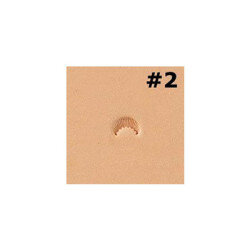
Stamp dies to make transitions, trims or frames.

€10.50 (tax incl.)
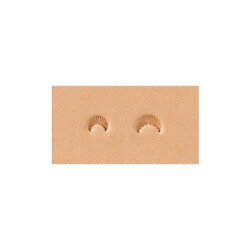
Large dies to make transitions, trims or frames.


€10.50 (tax incl.)
Carving tool for transitions, trims or frames.


€10.50 (tax incl.)
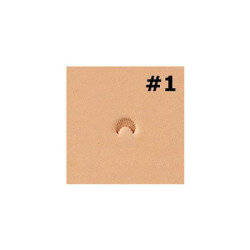
Stamps to make transitions, trims or frames. They simulate a rising sun.



Showing 1-12 of 12 item(s)
These stamps are used to perform transitions between tools, to carry out auctions of other types of embossing and also for rims, frames where framing or highlight the embossed.
Camouflage Stamp Dyes for Leather Carving: Essential Accents for Saddlery, Sheaths, and Distinctive Leatherwork
In the world of leather carving, detail, contrast, and precision are what separate ordinary projects from extraordinary ones. The camouflage stamp is a classic yet versatile tool that lends definition, texture, and striking accents to Western floral and geometric patterns. Used by both saddlers and makers of knife and sword sheaths, camouflage (often shortened to “cam” or “cammo”) stamps help elevate borders, petal edges, scrolls, and background spaces. When combined with the right dyes, these accents create deep visual impact, adding movement and character to every crafted piece.
What Is a Camouflage Stamp in Leathercraft?
A camouflage stamp is a small hand-held tool, usually with a curved or scalloped face featuring grooves, ridges, or crosshatch patterns. When pressed or struck along the edge of a cut or tooled line, it creates a sequence of tidy impressions that resemble waves, scallops, shells, or zigzags. The name “camouflage” stems from its original use to create concealed or shaded contours around pattern elements, but today it is valued for the lively rhythm and crisp emphasis it brings to designs.
In saddlery, camouflage stamps are signature accents in Sheridan and Western floral work, often ringing the borders of roses, scrolls, leaves, and banner panels on saddle skirts or fenders. For sheaths, cam stamps are perfect for small spaces, motif perimeters, and to break up background texture for extra dimensionality.
Types and Patterns of Camouflage Stamps
The designs of camouflage stamps range from classic to contemporary:
- Traditional “shell” or “wave” cam stamps have smooth, curved grooves, giving the appearance of seashells or rolling waves – ideal for flower petals, scroll centers, and soft pattern transitions.
- Serrated or lined cam stamps feature sharp ridges for a bolder, shingled look, creating sharper highlights and deeper shadowing along border lines or in geometric borders.
- Checkered or crosshatched cam stamps add small grid-like texture, useful for blending borders and backgrounds on both belts and saddle goods, as well as contemporary or rustic pieces.
- Miniature and tight-radius cam stamps allow precise work in tiny spaces or intricate sheath designs, where large patterns may not fit or would overpower the composition.
Some advanced sets offer cam stamps in mirrored pairs or different curvatures for matching left and right sides on symmetrical patterns, keeping your work flowing and balanced.
Materials: Cast vs. Steel Forged Camouflage Stamps
Camouflage stamps must be tough enough to deliver sharp impressions through repeated mallet strikes:
- Cast steel or brass cam stamps are widely available, offering affordability and fine detail. While suitable for hobbyists or those building out large sets, cast stamps require careful cleaning and periodic replacement if impressions start to dull from heavy use.
- Steel-forged or precision-machined stamps are the preferred choice of professionals and serious enthusiasts. These offer superior crispness, edge retention, and withstand years of bench work without losing their clarity, even after thousands of strikes.
Many cam stamps feature knurled, grooved, or rubberized handles for easier grip and fatigue reduction, especially when used for extended periods as in production saddlery.
Sizes: Choosing the Right Cam Stamp for Your Project
Camouflage stamps are produced in a variety of sizes:
- Small cam stamps (2–5mm face) are excellent for wallet interiors, tight floral corners, sheath motifs, and fine belt work.
- Medium cam stamps (6–10mm) are best for typical scrolls, Western saddle flowers, and moderate accenting around borders.
- Large cam stamps (11–18mm+) quickly add bold accent lines or fill broad edges on saddle panels, large belts, and bag covers.
Having several sizes on hand is ideal, since pattern scale, leather thickness, and motif style can change from project to project.
How to Prepare Leather for Camouflage Stamping and Dyeing
Start with vegetable-tanned leather—the gold standard for leather carving and tooling. Before stamping, case the leather by evenly wetting it with clean water, letting it rest until it is cool, supple, and slightly darkened (but not slick or soggy). This primes the fibers to accept sharp impressions and helps the stamp “bite” cleanly.
Place your leather on a firm, flat, unyielding surface like marble or granite for maximum support. Ensure the area for stamping is free of dust, and your lines are marked lightly if you’re following a detailed pattern.
When and Where to Use Camouflage Stamps & Dyes in Saddlery and Sheaths
Saddlers favor camouflage stamps for a variety of decorative and functional reasons:
- They form the hallmark outlines around border banners, scrolls, and roses on saddle skirts and shaped panels, ensuring every motif “pops.”
- Camouflage impressions blend the transition from raised elements to background, hiding small slips and enhancing the sense of light and shade.
- On belts, holsters, and other straight or curved edge goods, cam stamps can create rhythmic, repeating textures that catch the eye and invite touch.
For knife and sword sheaths, the camouflage stamp shines in the small faces and around detailed motifs, giving the craftsman power to control emphasis and flow in tight spaces while maintaining sync with the project’s broader design language.
Using Dyes to Accentuate Camouflage Texture
Leather dyes are invaluable for highlighting the relief produced by cam stamps. After stamping, apply alcohol- or water-based dye with daubers or fine brushes, ensuring dye flows into the curved impressions. Use antiquing gels or pastes to enhance the contrast: these settle in the low points, creating shadows and making scalloped cam lines stand out. Carefully wiped surfaces ensure raised petal tips or borders retain their lighter or original tone.
Custom color choices allow each project to reflect a client’s ranch colors, event theme, or seasonal flair while still showcasing your mark as a craftsman.
Best Practices for Crisp, Consistent Camouflage Work
- Keep your stamp perpendicular for even impressions and avoid double striking in the same place.
- Work slowly around tight curves or intricate scrolls, switching to smaller stamps if necessary. - Regularly clean and inspect your stamps for wear or residue, which can blur fine grooves.
- Always test dyes and stamps on scrap before integrating them into your main project.
Conclusion: The Signature Accent of Skilled Leatherwork
Camouflage stamps and the strategic use of dyes have been a staple in traditional and modern saddlery, sheath making, and creative leather art. When chosen and applied with care, these tools provide a combination of movement, flair, and shadow that brings dynamic, dimensional life to any carved design. Let your next project benefit from the classic impact of the camouflage stamp—turning every accent into a mark of distinction.