

Bones


€16.55 (tax incl.)
Pair of scales of bone of camel, 3mm thick. 2nd category.

€4.97 (tax incl.)€16.55
Pair of scales of bone of camel, 3mm thick. 3rd category. (For small inlays, or pieces, the handles are damaged) Changes or returns are NOT accepted.
€13.99 (tax incl.)
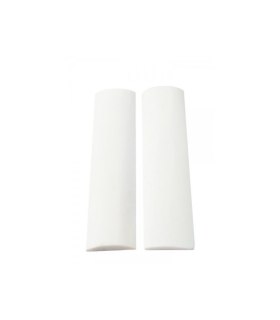
Camel bone, 6-9 mm thick. For handles of knives and guns.


€24.95 (tax incl.)
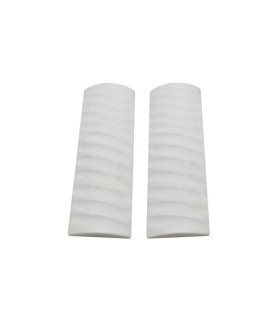
Camel bone, for full tang handles, carved craft or engraving bone.


€8.30 (tax incl.)€8.70
Corozo nut, considered the vegetable ivory. Pack 3 units. Approximate size: 45 x 70 mm


€20.50 (tax incl.)
Corozo nut, considered the vegetable ivory. Approximate size: 30 x 50 mm

€15.25 (tax incl.)€16.58
Pair scales carved imitation Horn impala.






Showing 1-16 of 16 item(s)
Camel bones, giraffe and others, for cutlery or crafts. Handles in whole bone, blocks, spacers or handles for knives or pocketknives. The bone is one of the noble materials used since ancient times. Carving, engraving, or simply polished.
Bone Handle Materials: Essential Guide for Custom Knife Making
Bone represents one of the most traditional and versatile materials in custom knife and sword making, offering unique aesthetic qualities combined with practical durability. This natural material brings distinctive character to custom pieces, with variations in texture and color that make each project unique. From traditional hunting knives to elegant knives, bone continues to captivate craftsmen and collectors alike with its exceptional properties and historical significance.
Custom sword projects benefit from bone's versatility in handle and component construction. The material's ability to be worked into complex shapes while maintaining strength enables creation of sophisticated sword furniture. Traditional sword designs particularly benefit from bone's historical authenticity combined with practical functionality.
The selection of bone material
Significantly influences final project quality. Carefully chosen cow bone provides excellent working properties and consistent quality, while camel bone offers distinctive characteristics prized in premium pieces. Different bone sections offer varying density and grain patterns, allowing craftsmen to select optimal material for specific applications. Understanding these variations enables proper material selection for different knife styles and intended uses.
Working with bone
Requires specific preparation techniques to achieve optimal results. Initial cleaning and degreasing processes ensure material stability and proper adhesive bonding. Stabilization treatments enhance natural durability while preserving distinctive characteristics. This preparation phase demands experience but rewards craftsmen with superior working material that maintains its beauty through years of use.
Bone handle design benefits
The material's natural warmth and texture provide excellent grip characteristics while maintaining comfortable handling. Bone accepts both traditional and modern finishing techniques, allowing craftsmen to achieve various aesthetic effects. The material's ability to be worked into complex shapes while maintaining structural integrity enables sophisticated design execution.
Color variations in bone provide unique opportunities for creative design. Natural tones range from cream to warm brown, often featuring subtle variations that add depth to finished pieces. Careful material selection and arrangement can create striking visual effects while maintaining material consistency throughout the handle. These natural variations ensure each piece becomes uniquely distinctive while maintaining professional quality standards.
Scale preparation represents a crucial phase in bone handle construction. Precise cutting and matching of scale pairs ensures symmetric appearance in finished pieces. Careful attention to grain pattern and color matching during scale preparation contributes significantly to final aesthetic appeal. Professional results demand meticulous attention to detail during this crucial phase.
Traditional hunting knives particularly benefit from bone handle construction. The material's natural properties provide excellent grip characteristics in various weather conditions, while its traditional appearance appeals to collectors and users alike. Bone handles maintain comfort during extended use while developing attractive patina that enhances character over time.
Modern finishing techniques have expanded creative possibilities with bone materials. Various texturing methods can enhance grip properties while creating distinctive appearances. Polishing techniques range from traditional high gloss to sophisticated matte finishes, allowing craftsmen to achieve desired aesthetic effects. Understanding these finishing options enables creation of pieces that combine traditional material with contemporary appeal.
Pocket knife construction presents unique opportunities for bone handle application. The material's ability to be worked into thin scales while maintaining strength makes it ideal for folder handles. Precise fitting of bone scales ensures smooth operation while providing traditional beauty. Careful material selection for pocket knives focuses on density and stability for long-term durability.
Maintenance requirements for bone handles
Remain straightforward with proper initial preparation. Well-finished handles need minimal maintenance, typically requiring only occasional cleaning and light oiling to maintain appearance. The material's natural resistance to wear contributes to long-term durability, making it suitable for both working tools and display pieces.
Structural considerations in bone handle construction demand attention to proper mounting techniques. The material bonds well with common adhesives while accepting pins and mechanical fasteners securely. Understanding proper construction methods ensures both aesthetic appeal and long-term durability in finished pieces.
Environmental and ethical considerations of bone
Add value to properly sourced bone materials. Using by-product materials from food industry sources represents responsible resource utilization. This aspect appeals to environmentally conscious customers while maintaining traditional crafting practices.
Investment value in quality bone materials continues to appreciate as premium sources become more limited. Professional-grade material, properly selected and prepared, represents both practical working material and an investment that maintains or increases in value over time. This aspect makes bone particularly attractive for custom knife projects and collector pieces.