
Click for more products.
No produts were found.

Geometric

Showing 1-12 of 21 item(s)

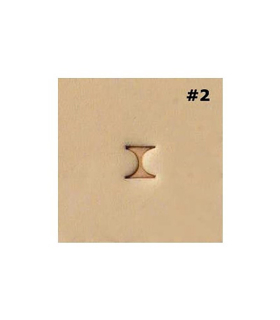
Dies and stamps to make carving with geometric shapes, infinite patterns. With different forms for engravings.

Geometric Stamps Dyes for Leather Carving: Precision Patterns for Saddlery, Sheaths & Artisan Leatherwork

Among the most enduring and versatile techniques in leather carving is the use of geometric stamps and dyes. These specialized tools allow artisans to create impeccable patterns, intricate backgrounds, and striking focal designs on everything from Western saddlery to modern wallets, belts, and knife or sword sheaths. Mastering the selection and application of geometric stamps along with creative dye methods ensures every piece stands out for its clarity, artistry, and consistency. Let’s explore types, materials, sizes, preparation, and professional uses of geometric stamping for leathercraft.

The Creative Role of Geometric Stamps in Leather Carving

Geometric stamps are precision tools with engraved or cut faces in symmetrical geometric shapes—triangles, diamonds, hexagons, circles, stars, or even interlocking patterns. When struck or pressed into cased leather, they produce clean, repeatable impressions, unlocking endless combinations for borders, backgrounds, and main design fields.

These stamps are prized in saddlery for covering saddle skirts, fenders, and straps with highly durable, visually compelling textures. On belts or holsters, geometric motifs provide slip resistance, structural strength, and a classic appearance that holds up over years of use. In sheath making, geometric backgrounds add subtle grip and help direct the viewer’s focus toward the blade or centerpiece.

Types and Patterns of Geometric Stamps

The range of geometric stamp patterns is vast, offering comprehensive creative freedom for leatherworkers:

- Basketweave and lattice stamps: Rectangular, diamond, or triangle-based tools that interlock in a grid, creating iconic Western and cowboy patterns.

- Hexagonal and honeycomb stamps: Popular for modern accessories and belts, offering a contemporary, mathematical look or nature-inspired themes.

- Star, rosette, or sunburst patterns: Frequently used for conchos, bag flaps, or saddle corners, adding a flashy focal element or border accent.

- Dot, circle, and ring stamps: Used as decorative spacers, inlay borders, or secondary backgrounds to soften harder lines.

- Chevron and zigzag: Excellent for belts, strap edges, and Native American-inspired designs, providing movement and rhythm.

Combination stamping can create complex mosaics, quilt-like surfaces, or asymmetric modern effects, limited only by imagination.

Materials: Cast and Steel Forged for Performance

Geometric leather stamps are crafted from metal for precision and longevity:

- Cast steel or brass stamps: Produced by pouring molten metal into detailed molds, these are great for hobbyists, light production, or building a large, affordable stamp library. They perform well with moderate use but may lose edge definition more quickly under heavy daily stamping.

- Steel-forged or CNC-machined stamps: The professional’s choice, these are cut or pressed from solid steel and then hand finished, holding sharpness over thousands of strikes. They’re ideal for those who demand maximum consistency, especially in production saddlery or for competition-grade pieces.

Many pro-level stamps feature knurled or ergonomic handles for comfort and slip-free gripping during extended use.

Sizes: Matching Stamp Scale to the Project

Geometric stamps range in size, normally measured by the width or diameter of the impression:

- Small (2–7mm): Best for wallet interiors, sheath borders, corner fills, or accent rows along belt edges.

- Medium (8–14mm): Ideal for belts, holsters, medium bag panels, or creating central motifs on conchos and pouches.

- Large (15–25mm+): Great for broad saddle skirts, large sheath faces, bag covers, or when a bold, quickly covered background is needed.

Using a variety of sizes in a single project allows transitions from focal motifs to textured backgrounds and lends visual interest.

How to Prepare Leather for Geometric Stamping and Dyeing

Start with high-quality vegetable-tanned leather—this type responds best to stamping and accepts dye evenly. Case the leather by dampening it with a clean sponge, allowing the moisture to penetrate until the hide feels cool, flexible, and only slightly darker than its dry color.

Lay the leather flat on a hard, dense backing—granite, marble, or a thick cutting board—for the cleanest impressions. For extensive geometric patterns, use a ruler or lightly mark grid lines with a stylus or pencil to ensure perfect alignment and spacing as the imprint field builds outward.

When and Where to Use Geometric Stamps & Dyes in Saddlery and Sheaths

In saddlery, geometric stamping offers exceptional usability:

- Saddle skirts and fenders: Large patterns fill in panels efficiently and wear well under daily handling and use.

- Belts, straps, breastcollars, holsters, and keepers: Consistent patterns add slip resistance, match other tack, and provide lasting visual appeal even as the gear ages.

On knife and sword sheaths, geometric backgrounds support both modern and traditional looks, enhance grip, and create a strong “frame” for initials, animals, or other focal stamps. These tools are equally useful in custom bagwork, journal covers, wallets, and portfolio accessories, bringing a sense of precision and robust craftsmanship.

Using Dyes to Enhance Geometric Patterns

Leather dyes can do more than just color the surface—they add dimension and contrast within geometric impressions:

- Alcohol-based dyes provide deep, penetrating color and are excellent for classic brown, tan, black, or oxblood finishes.

- Water-based dyes are easier to blend, supporting gradients, ombré effects, and hand-painted accents inside geometric fields.

- Antique gels or pastes are ideal for geometric stamping. They settle into the depressed areas, leaving the pattern’s lows dark and the highs lighter, which dramatically highlights the pattern and makes textures “pop.”

For a modern twist, artisans can selectively dye certain patterns—a checkerboard of alternating color, gradients across a field, or metallic highlights—making each project unique.

Best Practices and Tips for Success

- Always test new geometric stamp and dye combinations on scrap leather before applying to the main piece.

- Strike vertically with even pressure, overlapping or aligning each impression carefully for flawless repeat patterns.

- Clean your tools after use and protect finished pieces with a quality leather sealant.

- Mix pattern sizes and dye techniques for seamless, interesting transitions across large panels or detailed borders.

Conclusion: The Mark of Precision and Tradition

Geometric stamps and dyes are essential for professional saddlery, robust sheaths, and creative artisan leatherwork. They provide the foundation for style—classic or modern—while offering remarkable efficiency and durability. By selecting quality tools, preparing leather with care, and exploring methods of coloring and arrangement, every leatherworker can create richly detailed, visually striking pieces that stand the test of time and trend.

Read moreShow less

Menu

Settings

Create a free account to save loved items.

Sign in