

Forging


€12.63 (tax incl.)
To reveal the layers or patterns of Damascus steel. Also for protective patinas.

€14.86 (tax incl.)
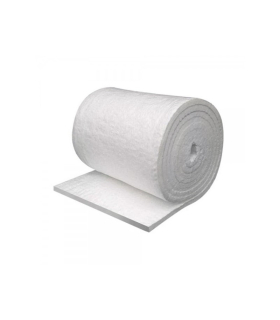
Ceramic insulating blanket for furnaces and forges.

€79.65 (tax incl.)
2300ºF, pack 7 meters. Ceramic insulating blanket for furnaces and forges.

€115.97 (tax incl.)
2606 ºF, pack 7 meters. Ceramic insulating blanket for furnaces and forges.

€0.00 (tax incl.)
Put your brand or logo on your work. Custom made, from 140€.






Showing 1-14 of 14 item(s)
Supplies, consumables and materials for forging craft knives and other handicraft works. Special carbon, fluxes, tempering foils,... If you are looking for tools, look in the Tools section.
Forge Process, Parts, Materials, and Tools for Knife & Sword Making
The art of knife and sword making stands as one of humanity's oldest crafts, blending tradition, science, and artistry into tools and objects of enduring beauty and utility. At its foundation, bladesmithing is centered on the manipulation of metal through heat, force, and meticulous control, transforming raw materials into expertly crafted blades. Whether the goal is a simple working knife or a complex, heirloom-quality sword, understanding the forging process, essential parts, material selection, and the necessary tools is critical for success. From the roar of the forge to the keen edge of a finished blade, every step and component involves attention to detail, knowledge, and a passion for craftsmanship.
The Foundation: The Forge and Its Operation
At the heart of every bladesmith’s workshop is the forge—the heat source responsible for softening metal so it can be shaped, hardened, and refined. Modern forges can be fueled by propane, natural gas, coal, or even electricity. Each type offers its own benefits and challenges, but all serve the primary purpose of achieving the temperatures necessary for working high-carbon steels, typically around 1,400–2,400°F (760–1,315°C).
Propane forges have become especially popular for their ease of use, temperature control, and clean operation. Coal and coke forges, still revered by traditionalists, require more skill in managing airflow and fuel but can reach higher temperatures suitable for forge welding. Electric induction forges are now entering elite bladesmith shops, offering precise, rapid heating for some applications.
A well-designed forge will have robust insulation (like ceramic wool or firebrick) to retain heat and efficient burners or grates to maximize fuel efficiency. The overall size and shape of the forge chamber affect the smith’s ability to heat blades evenly, which is crucial for effective forging, especially when working on long swords or large knives.
The Essential Parts of a Forged Blade
Every forged knife or sword consists of distinct parts, each carrying both functional and aesthetic significance. The core of any blade is its tang, the section that extends into the handle, providing strength and balance. Various tang styles include full tang, partial tang, and hidden tang, each influencing the blade's structural integrity and the knife's intended use.
The blade itself can be broken down into the spine, edge, tip (or point), bevel, and ricasso (the unsharpened section just above the handle). Each part contributes to the tool's balance, cutting ability, and overall durability. On swords, additional elements come into play, such as the fuller (the groove running along the blade’s length to reduce weight), the guard or crosspiece (protecting the hand), and sometimes decorative features like engravings or wire inlays.
The handle assembly is not merely an afterthought; it is a crucial interface between user and blade. High-quality knives and swords feature ergonomic, durable handles. Handles may be constructed with various materials and techniques, including pinned scales on a tang, a single piece drilled to fit, or complex multi-material wrap and adornment for ornate swords. The pommel, normally at the butt of the sword or knife, assists with counterbalance and sometimes acts as a secondary striking tool.
Metallurgy and Blade Materials
Material selection is perhaps the most vital decision in bladesmithing. The characteristics of a finished blade, such as hardness, edge retention, toughness, and resistance to corrosion, depend primarily on the steel used. High-carbon steels, such as 1095, 5160, 52100, and tool steels like O1 and 80CrV2, are favorites among smiths seeking traditional forged blades.
Modern stainless steels such as 440C, N690 CO, S30V, and VG10 are also forged, though these require precise heat treatment and are slightly more challenging for beginners. Damascus steel, now used to refer to pattern-welded steel, combines multiple alloys in layered or twisted patterns, creating visually striking blades with enhanced toughness and a long-standing reputation for quality.
For sword making, steel choice becomes even more important due to the demands placed on the longer blade. Spring steels like 5160, 9260, 6150 and certain carbon-manganese alloys are common for swords, as they provide both resilience and edge-holding capacity. The smith must also interpret the properties of the chosen steel, accounting for inclusion size, grain boundaries, and the intricacies of carbon migration during thermal cycling.
Forging Techniques
The actual process of forging a knife or sword is a transformative journey, demanding patient skill and an understanding of how heat and force affect steel. Forging begins by heating the steel to an orange-yellow color—the austenitizing temperature—where it becomes plastic and malleable. The smith uses a hammer and anvil to shape the steel, frequently returning it to the forge to maintain optimal working temperature.
The initial stage, called drawing out, stretches the steel to the desired length and thickness. Beveling forms the blade's cutting edge, while tapering and profiling define the spine and overall blade shape. Throughout forging, the smith must carefully monitor the steel's heat and avoid overheating, which could burn out essential carbon or introduce weaknesses.
For complex swords, traditional Eastern techniques might involve folding and forge-welding steel to create a blade with both hard and soft zones, maximizing sharpness and resilience. Pattern welding, or modern Damascus folding, further enhances toughness and produces stunning surface patterns.
Once the basic shape is achieved, the blade is normalized by heating it mildly and allowing it to air cool. This step refines the grain structure, removes internal stress, and prepares the blade for hardening.
Heat Treatment: Hardening and Tempering
After forging and shaping, heat treatment elevates steel into the realm of high-performance cutlery. Hardening begins by heating the blade to its appropriate critical temperature, then quenching it rapidly in oil or water. This rapid cooling transforms the steel's internal structure, dramatically increasing hardness, so the blade can hold a fine edge.
However, as-hardened steel is brittle and susceptible to breaking under stress. Thus, tempering is vital: the blade is reheated to a lower temperature (usually 350–450°F for knives; sometimes higher for swords) and held for a specific time, balancing hardness with toughness and flexibility. The exact heat and soak time depend on the blade’s dimensions, steel composition, and intended use. A well-tempered blade will have a strong, sharp edge and a resilient body that resists shocks and bending.
Finishing and Grinding
With heat treatment complete, the blade undergoes a series of grinding and finishing steps to refine its shape, ensure symmetry, and create a polished edge. Post-forge cleanup removes scale and smooths rough surfaces using files, belt sanders, or grinding stones. Bevels are ground to precise angles for optimal sharpness and cutting performance. Fine-grit abrasives, buffing wheels, and sometimes hand-sanding are used to further polish the steel and achieve various finishes, from mirror-bright to etched, tumbled, or satin.
For Damascus or pattern-welded steel, an acid etch is often applied to reveal striking topography and contrast between layers. On swords, fuller grooves may be carefully refined by hand or with specialized tools, further lightening the blade and contributing to its signature aesthetic.
Handle Making and Assembly
Creating a handle that complements the blade while offering comfort and functionality is an art form in itself. Common handle materials include stabilized woods, exotic hardwoods, bone, antler, composites like Micarta or G10, carbon fiber, and even precious metals or stones for luxury pieces. Each material brings distinctive colors, patterns, and tactile experiences, and selecting the right one can dramatically impact the finished knife or sword’s character.
Assembly techniques depend on tang style (full, partial, hidden), with the most robust knives often using pinned or riveted full-tang handles. Glues and epoxies secure handle scales, while mechanical fasteners (bolts) or decorative pins add both structural strength and artistic flair. On swords, the assembly often includes additional fittings: a guard or tsuba, decorative spacers, and a pommel, all contributing to balance, durability, and aesthetics.
Final hand-finishing may involve intricate carving, engraving, or inlay work, followed by waxing or oiling the handle for protection and enhanced appearance. For high-end pieces, sheath or scabbard making is an essential final step, often involving custom-fit leatherwork, woodcraft, or metal embellishment.
Key Tools for Knife and Sword Forging
The bladesmith’s toolset is as essential as the materials and techniques themselves. The anvil serves as the striking surface for shaping steel, with differing faces and horns for various forming tasks. Hammers—ranging from cross-peen and rounding hammers to specialized bladesmithing hammers—are chosen based on weight and face profile for efficient metal manipulation.
Tongs and other holding tools allow safe, precise handling of hot steel without risk to the smith. Specialized hardy tools or dies fit into the anvil to perform consistent operations like shouldering, cutting, and fullering.
Power tools expand the smith’s capability, with belt grinders (for shaping and finishing), drill presses (for handle assembly), files, sanders, and polishers all becoming standard. Some advanced shops include hydraulic presses, power hammers, or rolling mills for complex forging and pattern welding work. Heat-treating kilns provide precision-controlled conditions for hardening complex alloys.
Accurate temperature reading is vital, so pyrometers or thermocouples are often integrated into modern forges. Magnets and hardness files help assess the steel’s heat treatment during the critical transformation stages. For finishing work, abrasives and polishing compounds are indispensable for achieving the desired look and feel on both blade and handle.
Summary: Mastery Through Knowledge and Craft
The forge process, the many parts of knives and swords, the choice of materials, and the broad spectrum of tools each play a pivotal role in bladesmithing. Mastering this craft means blending historical techniques with modern advances, developing a keen understanding of metallurgy, and refining the skills necessary for both brute force and delicate finishing work. From the first spark in the forge to the last stroke of polish on a completed blade, every step is both an expression of the maker's knowledge and a celebration of the centuries-old tradition of knife and sword making. Crafting such functional art is a journey that rewards patience, study, and a relentless pursuit of excellence—producing blades that are not only tools but personal statements and heirlooms meant to last lifetimes.