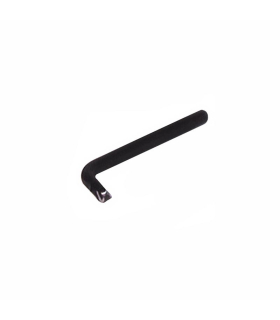
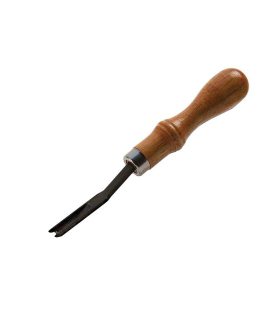
Gouges
We have various types of gouges to make v-shaped bevel, making strips with groover and other tools used by craftsmen in the leather.
Precision Detailing: The Use of Leather Gouges in Saddlery and Fine Leatherwork
Within the meticulous world of leatherworking, the finesse and functionality of a piece often hinge on the subtle details. Leather gouges, encompassing a diverse array of tools like V gouges, U gouges, and groovers, play a pivotal role in shaping, defining, and preparing leather surfaces for stitching, folding, or embellishment. Whether crafting robust saddlery components or refining the edges of a custom-fitted knife sheath, understanding and utilizing these tools is indispensable for achieving professional-grade results.
The Role of Leather Gouges: Channels, Grooves, and Edge Refinement
Leather gouges are designed to remove a thin strip of leather, creating either a channel or a groove on the surface. This is essential for several reasons. Channels created for stitching allow the stitches to sit flush with or slightly below the surface of the leather, protecting them from abrasion and wear. Grooves, on the other hand, can serve decorative purposes, adding texture and visual interest to the leather. Furthermore, certain gouges are used to thin and refine edges, making them easier to fold or overlap.
The primary purpose of gouges is to prepare the leather in a specific way, enhancing its structural integrity, aesthetic appeal, or both. Whether used to sink stitches on a saddle flap, create a decorative border on a belt, or thin the edge of a sheath for seamless joining, gouges make a significant contribution to the quality and longevity of the final product.
Types of Leather Gouges: V Gouges, U Gouges, and More
The term "leather gouge" covers several specialized tools, each with a distinct blade shape and function.
V Gouges: These gouges have a V-shaped blade that removes a wedge of leather, creating a sharp, defined groove. They are typically used for decorative purposes, such as outlining patterns or creating borders on leather surfaces. V gouges come in various sizes, with the size referring to the width of the "V." The size of the gouge determines the width and depth of the groove it creates.
U Gouges: Unlike V gouges, U gouges have a U-shaped blade that removes a rounded strip of leather. This creates a softer, more subtle groove than a V gouge. U gouges are often used to thin the backside of leather, allowing it to bend neatly around corners . They can also be used to create decorative channels with a less aggressive appearance.
Leather Groovers: These tools are designed to create channels for stitching. They typically consist of a handle, a shaft, and a cutting tip that creates a narrow groove. Some groovers have adjustable guides that allow the user to control the distance of the groove from the edge of the leather. Groovers are essential for ensuring that stitches sit flush with the leather surface, protecting them from wear.
Edge Skivers: These specialized gouges are designed to thin the edges of leather. They come in various forms, including French edge skivers and Pro edge skivers.
French Edge Skivers feature a curved blade that allows the user to gradually thin the edge of the leather. They are particularly useful for creating a smooth transition when folding or overlapping edges. Pro Edge Skivers are similar to French edge skivers but often have a wider blade and a more ergonomic design. They are designed for efficient and consistent edge thinning.
Materials and Construction: Ensuring Durability and Precision
The quality of a leather gouge depends significantly on the materials used in its construction. The blades are typically made from high-carbon steel, which can be hardened and tempered to maintain a sharp edge. The handles can be made from a variety of materials, including wood, bone, or synthetic materials. Wooden handles provide a traditional look and feel, while synthetic handles offer increased durability and resistance to moisture.
The construction of the gouge is also important. The blade should be securely attached to the handle, and the tool should be well-balanced for comfortable use. The cutting edge should be carefully shaped and honed to ensure a clean, precise cut. Regular maintenance, including sharpening and polishing, is essential for maintaining the performance of the gouge.
When and Where to Use the Leather Gouges
In saddlery, leather gouges are used for a variety of tasks. Groovers are used to create channels for stitching on saddle flaps, skirts, and other components. This protects the stitches from wear and tear, extending the life of the saddle. V gouges and U gouges can be used to add decorative elements to the saddle, such as borders or outlines. Edge skivers are used to thin the edges of leather components, allowing them to be folded or overlapped seamlessly.
Specific applications in saddlery include: Creating stitch lines on saddle skirts, Preparing edges for folding on billets and straps, Adding decorative grooves to cantles and seats. The precise placement and execution of these details contribute to both the structural integrity and the aesthetic appeal of the finished saddle.
Applications in Sheath Making
Leather gouges also find applications in the creation of knife and sword sheaths. Groovers can be used to create channels for stitching the sheath together, ensuring a strong and durable seam. Edge skivers are used to thin the edges of the sheath, allowing for a smooth and comfortable fit around the knife or sword. V gouges can be used to add decorative elements to the sheath, such as borders or patterns.
By carefully selecting and using the appropriate leather gouges, artisans can create sheaths that are not only functional but also visually appealing. The precise lines and smooth edges created by these tools enhance the overall quality and craftsmanship of the sheath.
How to Use Leather Gouges Effectively
To use leather gouges effectively, it is important to start with a sharp tool and properly prepared leather. The leather should be dampened slightly to make it easier to cut. The gouge should be held at a consistent angle, and pressure should be applied evenly to create a smooth, clean cut.
When using a groover, it is important to follow a straight line and maintain a consistent distance from the edge of the leather. When using an edge skiver, it is important to gradually thin the edge of the leather, avoiding any sudden changes in thickness. Practice and patience are key to mastering the use of leather gouges.
Conclusion: Enhancing Leatherwork with Precision Gouges
Leather gouges are indispensable tools for any serious leatherworker. Whether used for creating stitch lines, adding decorative elements, or thinning edges, these tools enable artisans to achieve a level of precision and detail that would be impossible with other methods. By understanding the different types of leather gouges and mastering the techniques for using them, leatherworkers can elevate the quality and craftsmanship of their work, creating pieces that are both functional and beautiful. From the robust construction of saddlery to the refined details of custom sheaths, leather gouges play a critical role in shaping and defining the final product.