Click for more products.
No produts were found.

Brushes

Showing 1-12 of 32 item(s)

Brushes and other tools for dyeing or painting leather. Brushes of wool, pallets, rollers for edges.

Daubers and Brushes for Leather Painting and Dyeing: Essential Tools for Saddlery, Sheaths, and Fine Leathercraft

Color is the soul of leathercraft, giving custom saddlery, belts, wallets, and sheaths their unique flair and identity. Whether you seek a uniform dye, intricate color fades, or bold painted motifs, the success of any coloring process comes down to the right application tool. Daubers and brushes are the reliable workhorses of leather finishing, letting artisans apply dyes, paints, antiques, acrylics, sealers, and highlights with accuracy and efficiency. Understanding their types, sizes, tip styles, and appropriate use ensures your projects—from premium saddles to eye-catching knife sheaths—stand out for their color and craftsmanship.

The Role of Daubers and Brushes in Leatherwork

Unlike textile or canvas arts, leather has its own special absorption, texture, and finish. To achieve brilliant, even color without waste, patchiness, or over-saturation, you need application tools tailored to the job. Daubers and brushes allow you to control the amount of dye or paint, direct it into tooling or cuts, and manipulate edge blending for professional-grade results.

In traditional saddlery, deeper oil dyes or water-based stain is often the norm for belts, tack, or harness work, while painted details or translucent highlights may grace fancy show pieces and ornate custom saddles. For sheath making, daubers lay on the field color, while brushes accent stitch grooves, borders, or custom imagery—giving every piece its own character.

Dauber Types: Wool, Foam, Felt, and Cotton

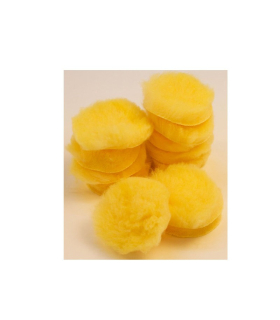
Daubers are small, round-tipped applicators fixed to steel or plastic handles. The classic wool dauber remains the leatherworker’s go-to tool, thanks to its ability to soak up dye and deposit it in a thin, even layer. Wool offers just the right balance of absorbency and release; it works especially well on larger surfaces, saddle pieces, or belts.

Foam daubers are increasingly popular, especially for water-based dyes and paints. Their dense, uniform tip produces less blotching and can be rinsed and reused, making them a cost-effective option for studios that do a lot of color work. Foam is also gentle on soft or lightly tooled leather.

Felt daubers provide controlled flow and are ideal for fine shading or layering techniques. These are excellent for edge dying, lacing grooves, or for touching up small mistakes. Felt offers more control than wool or foam and is often chosen for detailed areas near carved motifs or hand-painted scenes on sheaths.

Cotton daubers (sometimes called cotton swabs) are favored for small, precise operations—touch-up work, tinting edges, or when you need to deposit color in a very localized spot. While not great for swathes of color, they are indispensable for perfectionists concerned with every last detail.

Brushes for Leatherwork: Types, Sizes, and Tip Styles

Brushes offer detail and control not possible with daubers. They come in a range of Mohair, horsehair, synthetic, and premium artist’s fibers. Natural hair brushes (such as sable, horse, or goat) carry more dye and lay it down with soft, streak-free transitions—excellent for hand-painting details or gently blending colors across tooled surfaces.

Synthetic brushes are more resilient, holding up well to repeated exposure to dyes and solvents. They’re ideal for heavier-bodied acrylics or water-based paints, as well as for studios where frequent cleaning is a must.

Flat brushes are best for applying broad washes, priming large saddle panels, belts, or bag fronts. Using a flat tip, you can pull dye down long, straight edges or sweep color smoothly across the grain.

Round and pointed brushes excel for detail work—outlining, painting motifs, or accenting cut lines and complex backgrounds. They’re perfect for adding highlights, painting monograms, and fine lines on custom knife or sword sheaths.

Angled brushes combine the best of flat and point: their bevel lets you get into corners, define crisp edge work, and manage sharp transitions between shades or colors.

Choosing the Right Size: From Miniature to Broad Coverage

Selecting the correct dauber or brush size is as important as the tip type.

  • Small daubers (10-12mm): Precision edge work, corners, and dyeing lacing grooves or borders.
  • Medium daubers (15-20mm): Routine dyeing and painting for average straps, belts, and mid-sized saddle pieces.
  • Large daubers (25mm+): For coverage of wide areas—such as saddle skirts, back panels, or large bags—where speed is needed but detail is less important.

For brushes, use 0–4 round for pinpoint lines, 6–10 flat or filbert for backgrounds, and large washes for field color. Mixing brush and dauber sizes allows artists to move seamlessly between coverage and detail, achieving complex effects in one pass.

When to Use Daubers and Brushes in Saddlery and Sheath Work

In saddlery, daubers are the primary tool for dying raw leather straps, fenders, billet ends, and skirt edges prior to assembly or after tooling is complete. Multiple daubers can be used in succession to layer color for richer, deeper tones, or for fade effects fading from the centerpiece out to the border.

Brushes come to the fore for painting initials, logos, flowers, basketweave highlights, or shadowing on cut lines. They're also ideal for tracing dye or antique into stitched grooves, ensuring every thread and cut stands out.

For knife and sword sheaths, the pairing is crucial—daubers spread base color over the whole sheath body and belt loop, while fine round or liner brushes deliver detailed accents along borders, lacing holes, or tooled emblems. Artists use miniature brush tips to paint small images, intricate scrolls, or add antiquing in recesses to make patterns “pop.”

How to Get Perfect Dyes and Painted Finishes

Preparation is the key. Always case and lightly sand leather before applying dye or paint for optimum evenness. Test daubers and brushes on scrap to avoid surprises.

When applying dye with a dauber, use gentle, overlapping circular motions to prevent dark streaks and missed patches. For even color transitions or sunburst effects on saddles and belts, work outward from the center or fade area, layering thin coats and letting each dry. Don’t overload the tip, to prevent drips, and rotate between daubers for different colors or dye thicknesses.

For painting or shading, keep brushes clean and slightly damp. Fade or blend paint by working quickly, overlapping brushstrokes before dyes or acrylics dry. Use pointed or curved brushes for intricate filigree or basketweave highlights. Wash all brushes and daubers after each session to extend lifespan and preserve color accuracy.

Maintaining Daubers and Brushes for Lasting Performance

After each use with water-based dye or paint, rinse daubers and brushes in clean water—never let dye dry into the fiber. For oil or alcohol-based products, clean with the appropriate solvent, then rinse with water. Reshape brush tips and hang daubers to dry upside down if possible. Replace worn or matted daubers and brushes promptly; a frayed tip can spoil hours of careful work.

Store all brush and dauber heads upright, away from sunlight and heat, to prevent warping or mildew. Keep a dedicated set for each color family (light, dark, metallic, etc.) to avoid muddying bright or pastel shades.

Conclusion: The Power of the Perfect Application

Just as a painter is only as good as their brushes, the daubers and brushes of leathercraft define the vibrancy, clarity, and personality of the finished article. For large-scale dying in saddlery or for minute brushwork on sheaths and accents, selecting the right tools, using them with care, and maintaining them as an investment ensures your color and artistry will endure as long as your leatherwork itself. Master your daubers. Experiment with your brushes. Let your colors live and breathe on every saddle, sheath, and custom piece you make.

Read moreShow less

Menu

Settings

Create a free account to save loved items.

Sign in