

Flowers


€10.50 (tax incl.)
Tools with forms of seeds for leather.


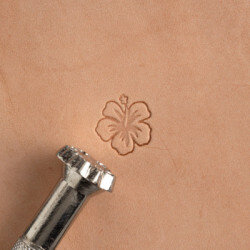
€10.50 (tax incl.)
Carving tool Fleur de Hibiscus Flower Stamp for leather.


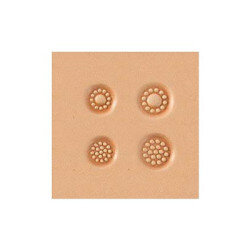



Showing 1-18 of 18 item(s)
Stamps with motifs of flowers and leaves for carving on leather. Also dies to make flowers and leaves embossed.
Flower Stamp Dyes for Leather Carving: Bringing Elegance and Craftsmanship to Saddlery, Sheaths, and Custom Leather Projects
The timeless charm of floral motifs has left an indelible mark on the world of leather carving. Whether you're looking at ornate Western saddlery, a bespoke belt, an artisan wallet, or a custom knife or sword sheath, flower stamps and dyes are central to creating the romantic, elegant, and highly detailed effects that define quality leatherwork. Mastering the use of flower stamps and dyes—knowing the types and patterns, materials, sizes, leather prep, and best application practices—empowers every leatherworker to produce pieces of enduring beauty and professionalism.
The Role of Flower Stamps in Leather Carving
Flower stamps are metal hand tools designed to create consistent and vivid representations of flowers, petals, and related botanical shapes on cased leather with a single mallet strike. Unlike freehand carving, stamps ensure uniformity across repeated elements, reduce layout time, and guarantee the high clarity of every impression. These tools are especially prized for Western or Sheridan-style floral panels, where roses, sunflowers, daisies, and acanthus leaves are interwoven into flowing scenes on saddles, belts, and bags.
In saddlery, flower stamps are often used in combination with scrolls, leaf, and border stamps to craft cohesive, flowing designs that underscore expertise and tradition. On sheaths and knife cases, smaller flower and petal stamps bring refinement to front panels, stitch borders, or decorative corners, offering both a feminine and classic touch without sacrificing ruggedness.
Types of Flower Stamp Patterns for Leatherwork
The diversity of flower stamps is one key to their enduring popularity:
- Classic Western Roses: Feature prominent multiple petals and can be used as the focal point of a saddle panel or belt center.
- Daisies and Wildflowers: Lend light-hearted, natural, or country-themed flare to belts, stirrup leathers, and small accessories.
- Sunflower, tulip, lotus, and lily stamps: Add drama, symbolic meaning, or a personalized flourish to modern, Asian-inspired, or themed pieces.
- Acanthus and scroll-integrated flowers: Allow seamless transitions into borders, often combined in elaborate floral scrollwork.
- Petal, bud, and leaf stamps: Offer flexibility to construct custom floral arrangements in small or large compositions.
- 3D floral stamps: Produce raised, lifelike sculpted petals for bold centerpiece applications; often used on luxury portfolios, trophy plaques, or statement gear.
Most stamp sets include variants for petals, centers, and supporting botanical details, making it easy to customize scenes across any project.
Materials: Cast vs. Steel-Forged Flower Stamps
Flower stamps are almost always made from durable metals, but quality can vary by manufacturing technique:
- Cast steel or brass stamps: Produced by pouring molten metal into a mold. These are cost-effective and found in beginner sets or hobby kits. They offer good initial detail but may dull with high-frequency use.
- Steel-forged or precision-machined stamps: Made by forging or CNC-machining from solid tool steel, then carefully finished by hand. These maintain sharp edges and high detail for years, even with daily workshop use. They have a higher upfront investment but are essential for professional saddlery, consistent commissions, or production work.
Premium stamps come with textured, ergonomic, or knurled handles for improved comfort and grip during extended carving sessions.
Sizes: Matching Stamp Size to the Project
Flower stamps are available in a wide range of sizes to suit every task and scale:
- Small (2–8mm): Best for wallet corners, sheath details, belt keepers, and delicate accents.
- Medium (9–18mm): The most versatile, ideal for the main flowers in belts, centerpiece motifs in saddle panels, and layered compositions in bag flaps.
- Large (19–30mm+): For saddle skirts, bold medallions, bag covers, journal panels, or any area where a vivid floral impression is the visual anchor.
Using a mix of sizes, leather artists create natural-looking bouquets, transition smoothly from a central figure to outer edges, and develop multi-scale arrangements that reflect true botanical scenes.
How to Prepare Leather for Flower Stamping and Dyeing
Achieving clean, deep, and lasting impressions begins with properly cased vegetable-tanned leather. Moisten the leather lightly but evenly with clean water, using a sponge, then allow it to return to a cool, flexible state that is just short of its original dry color. Proper casing makes the fibers pliable enough to receive the stamp yet resilient enough to hold the detail once dry.
Always work on a hard, immovable slab—granite or marble is ideal—to prevent bounce or distortion during stamping. Lay out your design lines lightly with a stylus or pencil, and always test stamps for spacing and depth on similar scrap before starting the main piece.
When and Where to Use Flower Stamps and Dyes in Saddlery and Sheaths
Flower stamps have countless uses in saddlery and accessory work:
- On saddle skirts, fenders, cantle plates, and breastcollars, roses, daisies, and bouquets form the centerpiece of Western show gear and personal tack.
- Belts, wristbands, holsters, and edge borders are adorned with repeating floral elements for a classic, professional finish.
- For knife and sword sheaths, small floral stamps beautifully fill out corners, stitched panels, or accent lines, blending fine artistry with rugged practicality.
- Wallets, notebook covers, portfolio flaps, and luxury handbags all benefit from thoughtfully placed flower stamps—paired with scrolls or initials for a high-end, custom look.
Enhancing Floral Carving with Leather Dyes
Leather dyes serve as the finishing layer to bring out depth and drama in each stamped flower. Alcohol-based dyes provide deep, vivid coloration, often used for traditional Western browns, reds, and black backgrounds. Water-based dyes blend more easily for gradients or lighter, modern palettes.
Antique gels and pastes are popular choices after stamping—applied liberally and wiped from high spots, they darken recesses and highlight petal curves, mimicking natural shadows and sunlit edges.
On sheaths, belts, and custom accessories, multi-tone and carefully painted dye treatments can make individual flowers or arrangements stand out as signature design elements. For advanced effects, use brushes for fine detail or experiment with resist techniques for layered color and visual complexity.
Best Practices and Creative Tips
- Stamp perpendicular with firm, single strikes for the clearest pattern.
- Switch between stamp sizes and combine flowers, leaves, and scrolls to build rich, natural scenes.
- Pair with bevelers to further raise or separate elements, and with matting or background stamps for professional relief.
- Experiment with color; don’t be afraid to add bold dyes, antique finishes, or highlight individual petals for drama.
- For mass production or commercial work, invest in steel-forged stamps and keep them clean and dry after every use.
Conclusion: Timeless Beauty Through Flower Stamps and Dyes
Flower stamps and dyes offer endless potential to transform every saddlery piece, sheath, and leather accessory into a showcase of artistry. With quality metal stamps, properly prepared leather, and thoughtfully selected dyes, you can capture the spirit of Western heritage or create your own botanical style. Whether for tradition, competition, or self-expression, let flowers take center stage in your next project—the mark of true handcraftsmanship.