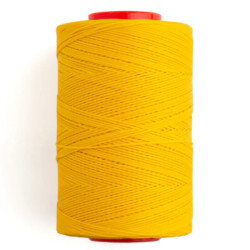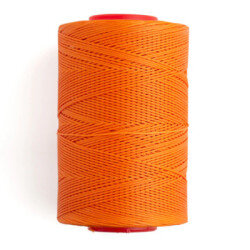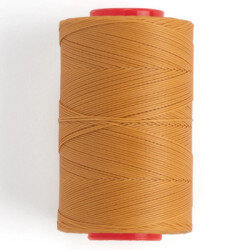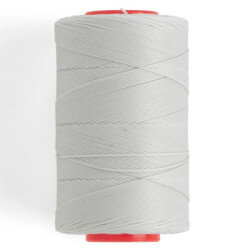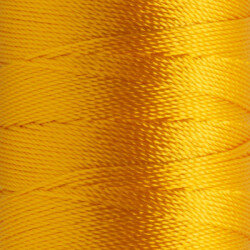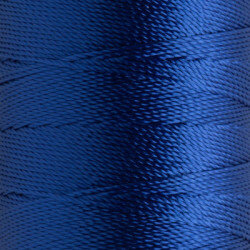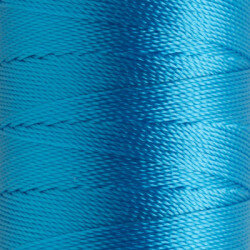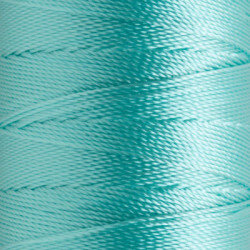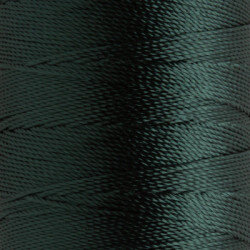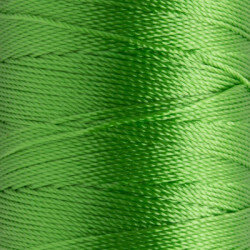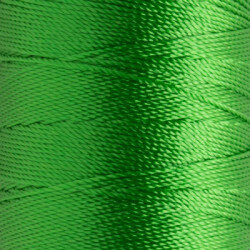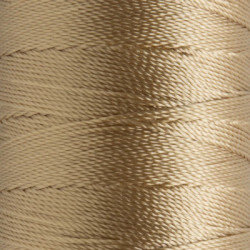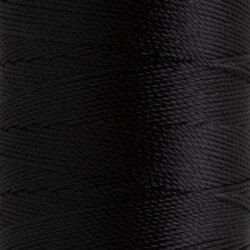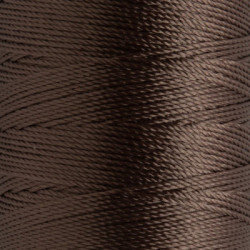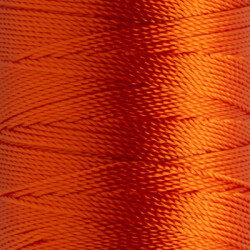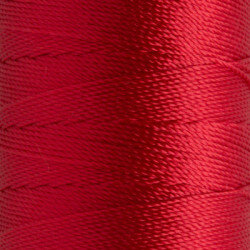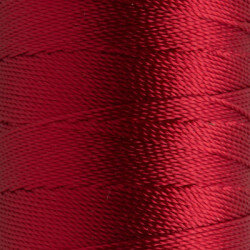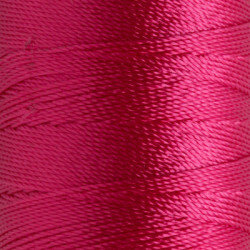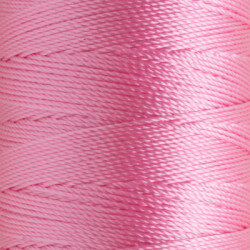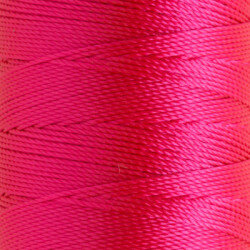
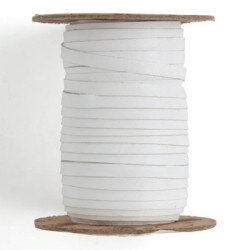
€2.65 (tax incl.)
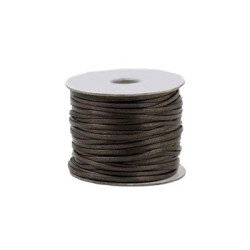
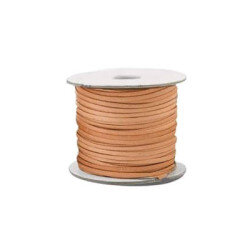
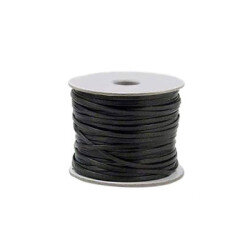
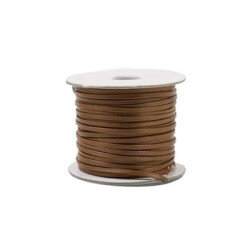
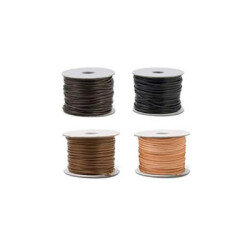
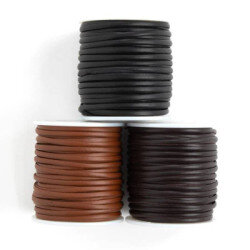
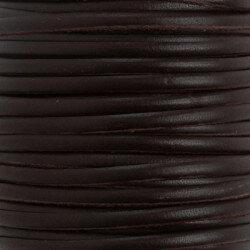
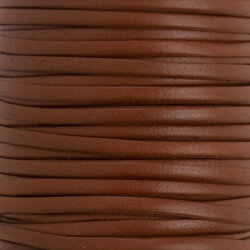
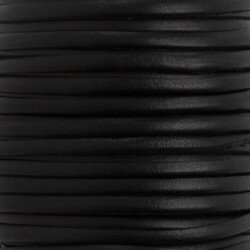
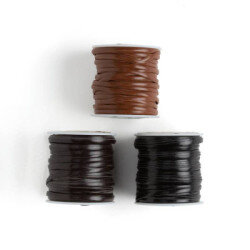
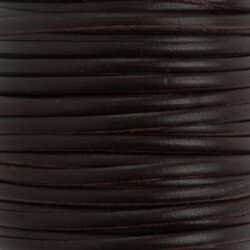
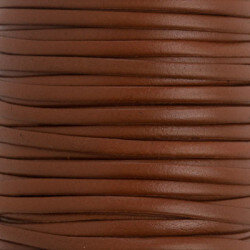
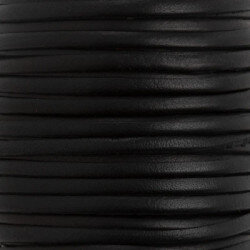
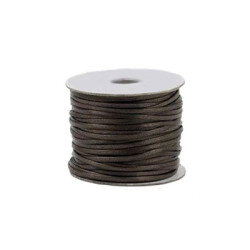
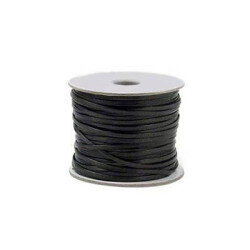
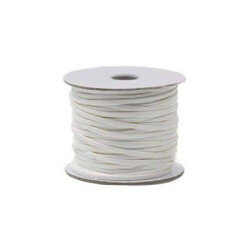
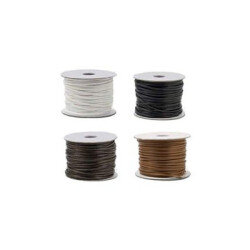
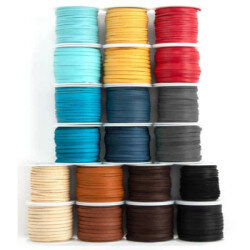
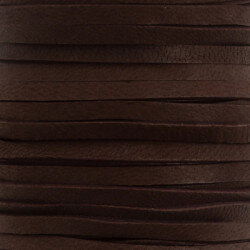
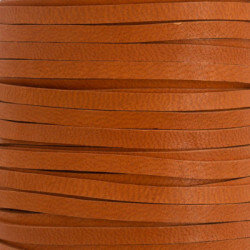
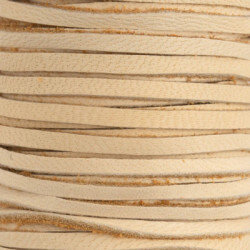
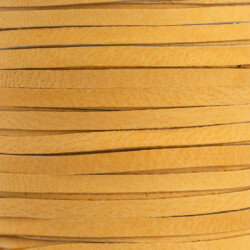
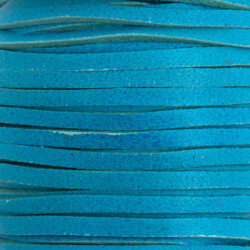
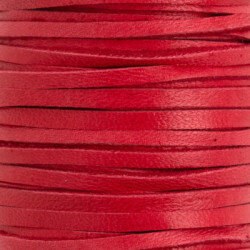
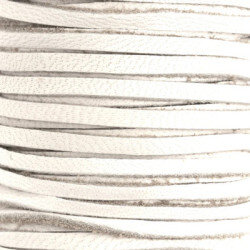
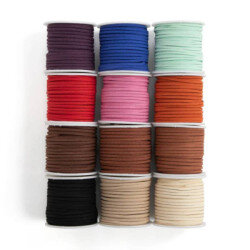
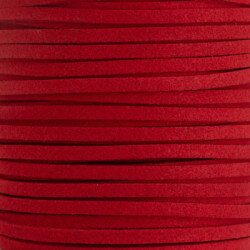
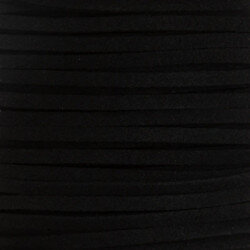
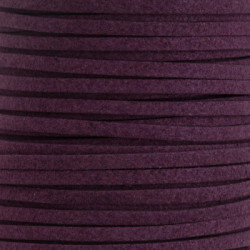
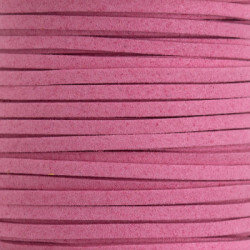
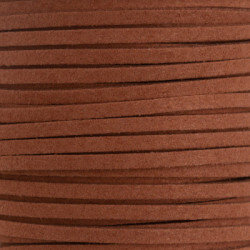
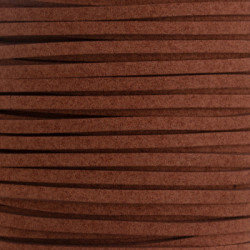
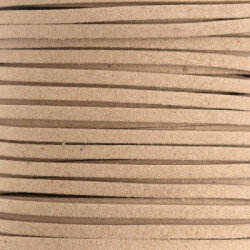
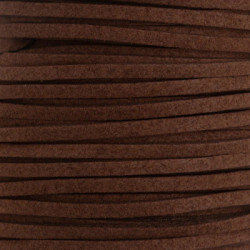
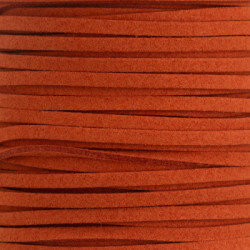
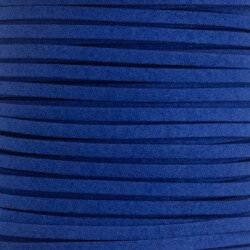
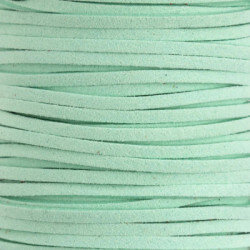
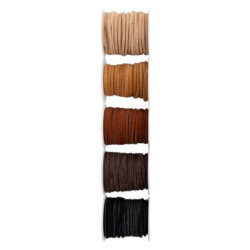
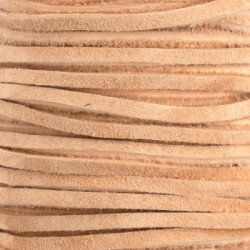
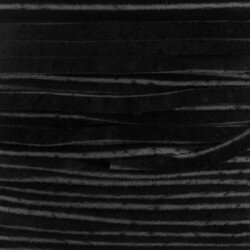
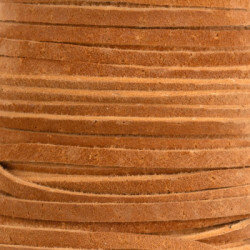
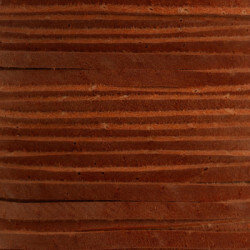
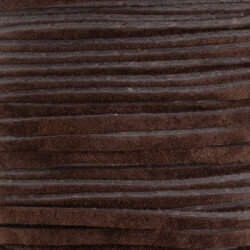
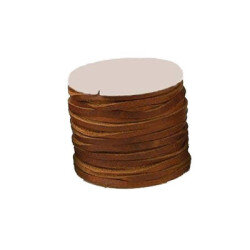
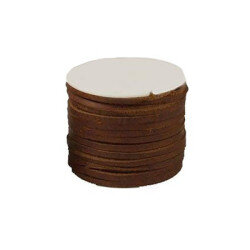
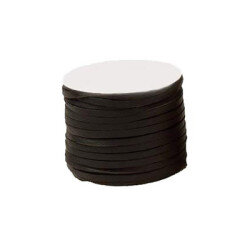
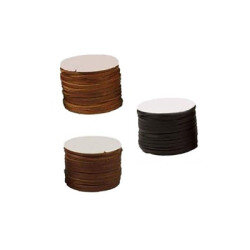
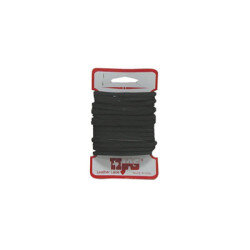
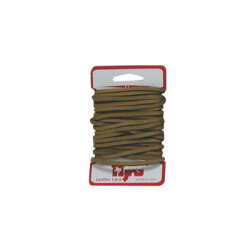
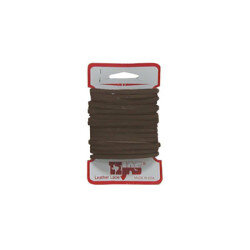
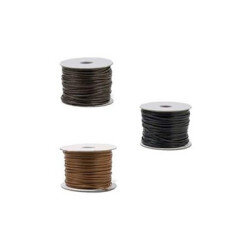
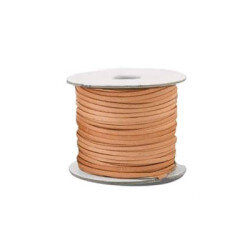
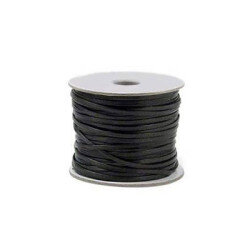
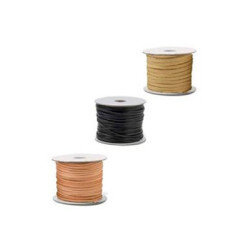
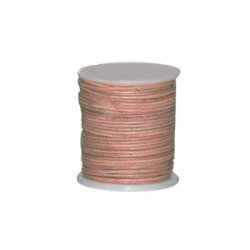
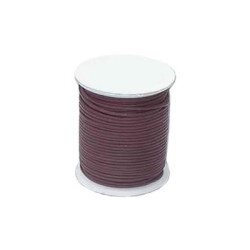
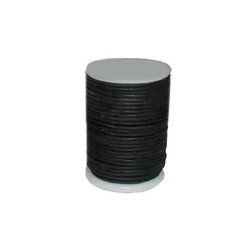
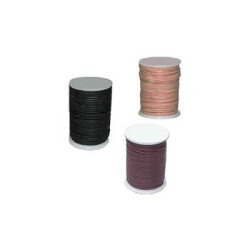
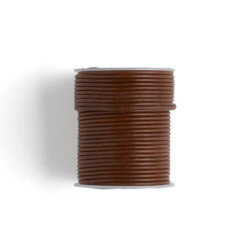
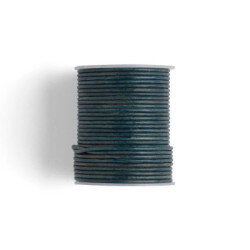
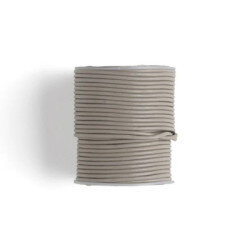
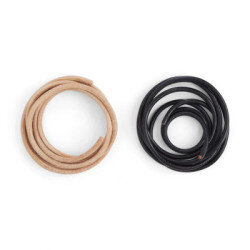
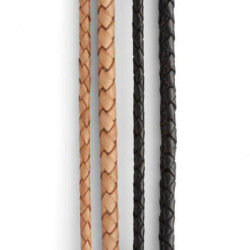
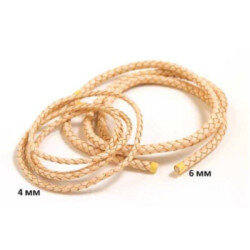
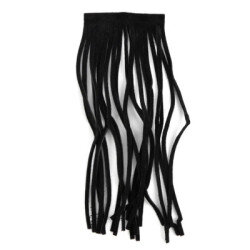
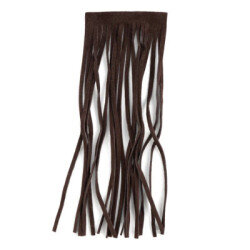
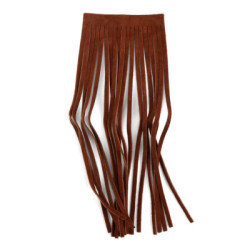
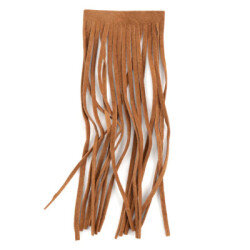
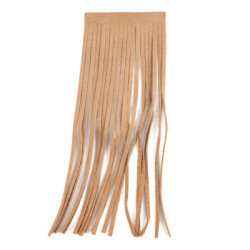
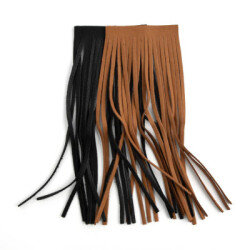
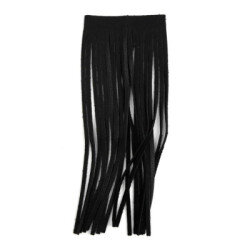
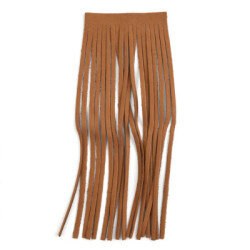
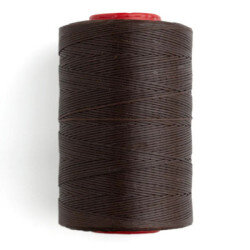
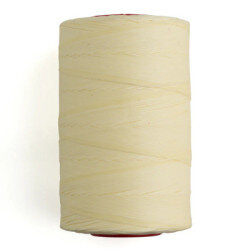
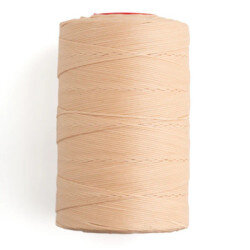
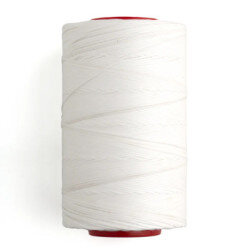
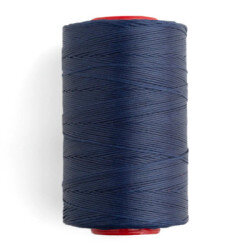
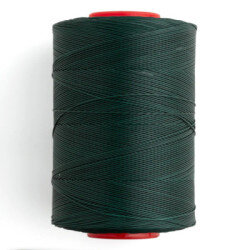
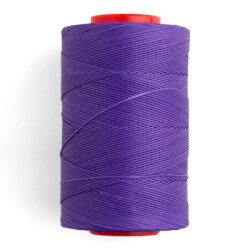
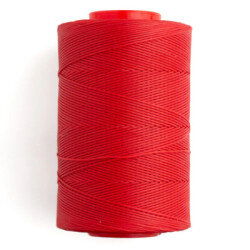
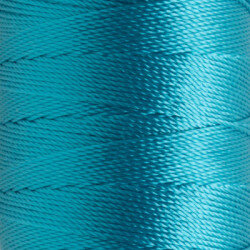
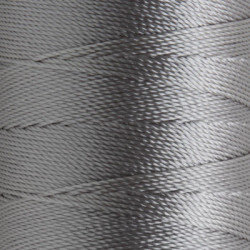
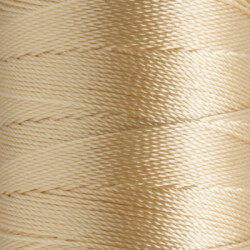
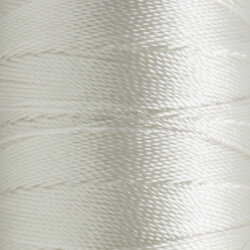
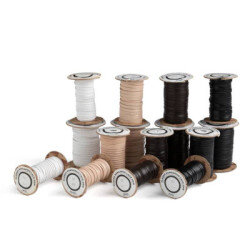
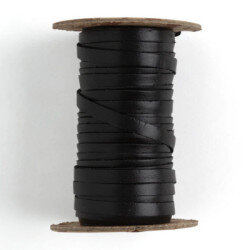
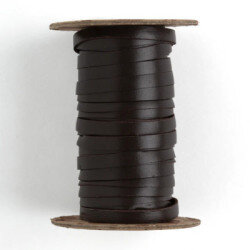
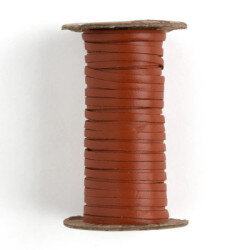
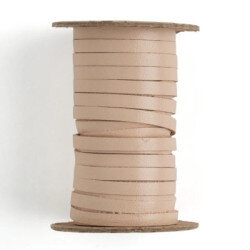
Canguro leather lace, professional quality, for all types of braiding. Sold by meters. This lace, professional quality, thickness and uniform width, with a surface granulated, very suitable for all types of braiding,...
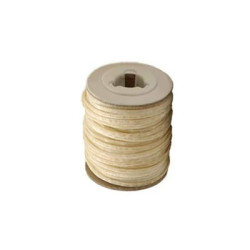
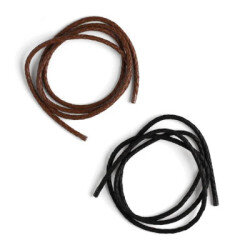
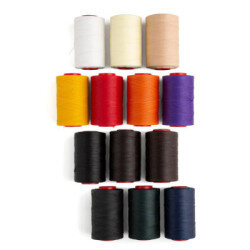
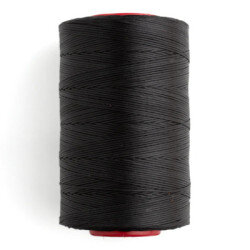
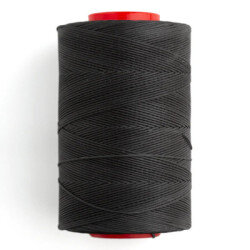
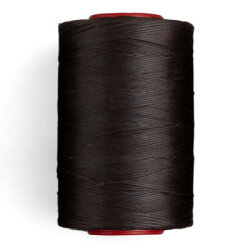
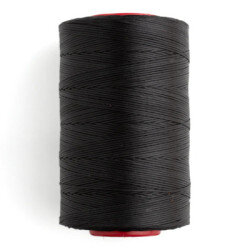
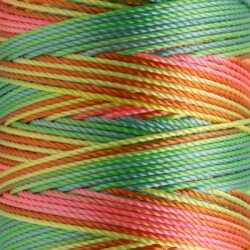
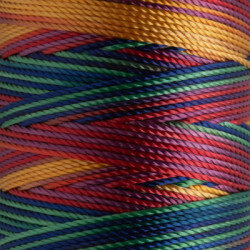
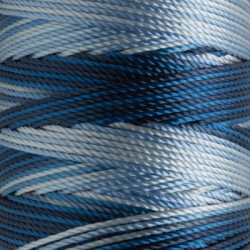
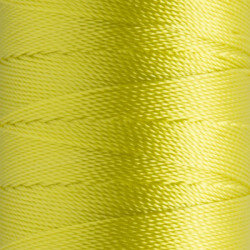
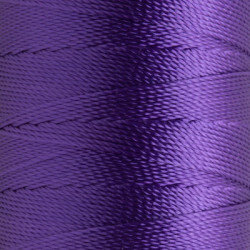
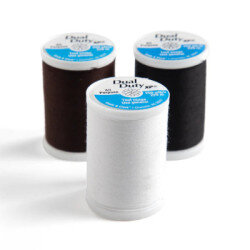
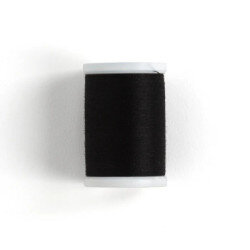
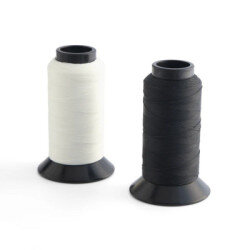
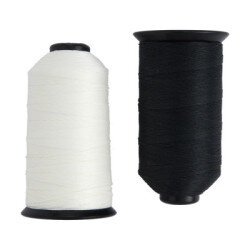
Threads for sewing in leather work and other materials. Lace of leather, flat and round wire of leather for all types of craftsmanship in leather seams.
In the specialized world of leatherwork for knives and swords, few elements are as critical (or as underestimated) as the threads and leather laces that bind, embellish, and finish sheaths, scabbards, and saddlery gear. Whether you're crafting a robust field-ready sheath, a heritage scabbard, or an artisan saddle, your choice of sewing methods, thread and lace materials, and stitching patterns determines both the resilience and style of the final product. Dive into this comprehensive guide covering the types of sewing, signature patterns, essential thread and lace materials (both animal-derived and synthetic), plus a snapshot of process and parts in classic saddlery work.
The architectural backbone of any leather sheath or scabbard lies in its thread and lacing work. These materials don't just hold layers together, they create weatherproof seals, add reinforcement against abrasion, and, with the right colors and stitching patterns, infuse both visual character and traditional distinction. For sheaths and scabbards intended to protect and showcase knives or swords, the sewing details must balance durability with elegance, standing up to frequent use, flex, and exposure. In saddlery, where leather must handle extreme forces and weather, thread and lace selection is the keystone of lasting performance and comfort.
In high-quality sheath and scabbard making, hand stitching reigns supreme. The most revered method, saddle stitching, involves using two needles and a single thread, driven in opposite directions through each hole for a durable, symmetrical seam. This creates a nearly indestructible connection, a stitch will not unravel even if one side breaks. Machine stitching is also common in production runs or for certain straight seams, but is typically limited due to concerns with long-term hold and decorative finish in thick leathers. Decorative lacing, using broad or rounded leather lace, adds robust beauty and functional reinforcement to sheath borders, belt loops, and scabbard throats. Classic lacing techniques like double loop, whip stitch, or cross stitch are chosen for both their strength and their iconic braided appearance. In saddlery and gear, lacing is used for flexible joints, replaceable panels, or simply to broadcast artisan craftsmanship.
The pattern of each seam not only secures the hide but also communicates the maker’s intent. Straight saddle stitching is the gold standard for sheath edges, belt retainers, and scabbard seams, ensuring a clean, unbreakable finish. Box stitching is favored for rigid knife sheaths with layered welt construction, as the angular pattern locks in both strength and a geometric crispness. Diamond, zig-zag, and braided patterns are often reserved for accent work, functional reinforcement on corners, or decorative lacing on the sheath’s face. In tactical sheaths and high-wear gear, extra-wide stitches or doubled patterns may be used near mechanical hardware—such as belt loops, snaps, or retention straps—delivering extra security against pulls and abrasion. Lacing patterns like double loop or running stitch support wide panels or ornamented sheath spines, distributing stress and contributing to the overall visual richness of the piece.
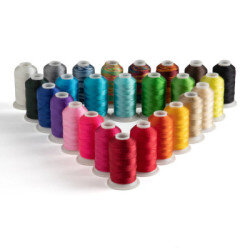
Selecting the right thread material is pivotal in determining a sheath’s longevity, appearance, and resistance to the elements. Waxed polyester thread is the most popular modern choice, blending flexibility, exceptional tensile strength, and natural water repellency thanks to its waxed coating. Its vivid colors and broad range of diameters allow crafters to match both structural needs and style. Nylon thread is selected for maximal abrasion resistance and UV stability, making it ideal for exposed field gear and tactical sheaths. In extremely rugged applications, bonded polyamide or kevlar threads can be chosen for their unyielding strength and resistance to chemicals, mold, and sunlight. Each material comes in flat, round, or braided finishes, with size gauged by thread weight, suited to the thickness and purpose of the leather project.
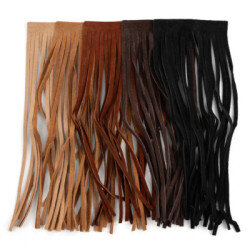
Animal leather lace is the historic hallmark of classic sheath, scabbard, and saddlery work. Most leather laces are cut from center-cut cowhide, yielding long, tough strips with even consistency. Kangaroo lace is sometimes employed for luxury or preservation work, prized for its incredible tensile strength and supple feel—favored by professional braiders and saddlers for intricate knotwork and decorative lacing. Laces can be left natural, dyed, stamped, or beveled for specific effects. Natural leather lace outperforms synthetics for grip, patina development, and seamless integration into traditional styles; it absorbs dyes and burnishes for an organic, aged look. However, natural lace will darken, soften, and conform over time with use and the application of oils or conditioners, adding unique character to sheaths and tack alike. Proper preparation, including moistening and stretching before use, ensures even tension and minimized stretching in the finished product.
In contemporary sheath and scabbard making, synthetic and faux leather laces serve those who need consistent coloration, moisture resistance, and low maintenance. PVC, PU, and microfiber-based synthetic laces offer uniform thickness, resistance to molds and mildew, and outstanding UV performance—qualities valued in tactical, marine, and outdoor applications. Faux leather lace, while not developing patina like animal hide, retains its suppleness and color with minimal care and is easy to keep clean. These laces are ideal for vegan crafters or those working on quick-production lines where maximum uniformity is essential. Advances in synthetic technology have yielded convincingly realistic finishes—some indistinguishable from natural leather at a glance—enabling makers to serve a broader clientele without compromising on performance or aesthetics.
The sewing and lacing process begins with careful pattern marking and the use of sharp cutting tools for both leather and lace. Stitching holes are created using chisels, pricking irons, or awls, spaced for even thread tension and visual symmetry. Thread is waxed or conditioned before sewing, and needles—blunt for saddle stitching, pointed for machine or running stitch—are chosen for compatibility with material thickness and toughness. Lacing is often beveled and slicked for a smooth, professional finish, and may be flattened or rounded based on the desired aesthetic and application. In complex saddle works, splitters, groovers, and specialized braiding tools control width and thickness for flawless seams. The entire assembly is finished with burnishing, oil conditioning, and sometimes edge paint or sealers, particularly for tactical or field-ready equipment.
In saddlery, thread and lace bridge old-world tradition with modern utility. Saddle skirts, billets, and cantles are laced or stitched for both style and functional stress relief, using heavy-gauge polyester or linen threads, and robust animal or synthetic laces. Decorative saddle string lacing not only enhances beauty but ensures replaceable joints in tack that endures significant pressure. Saddlers employ double needle techniques and reinforced patterns to keep seams from stretching or unraveling, essential in gear designed to last decades under hard use. Thoughtful blending of decorative stitching, practical reinforcement, and carefully curated materials sustains the heritage of leather saddlery in modern knife and sword culture.
Every project—be it a utilitarian bush knife sheath, a ceremonial scabbard, or an English-style saddle—demands unique considerations. Thread diameter affects seam bulk, flexibility, and pull strength, while color contrasts or matching tones set the tone for the finished piece. The visual weight and texture of braided or flat lace adjust the balance between subtle workshop utility and showpiece presentation. In both natural and synthetic laces, artisans look for suppleness, edge bevel quality, and colorfastness. For threads, dependable waxing, strand integrity, and climate resistance are the baseline for every application. Ultimately, a top-tier sheath or saddlery item is distinguished by the hidden care in every hole punch, needle pass, and lacing tuck—a testament to the subtle power of the right thread and lace.
Whether made by centuries-old hand-sewing or propelled by modern synthetics, the universe of thread and leather lace empowers every sheath, scabbard, and piece of tious worker respects the legacy of animal lace and waxed thread, while embracing the reliability and ecological promise of synthetic alternatives. In all cases, mastery arises from knowing not only how to sew, but why: to bind the blade to its history, the tool to its owner, and the present to a lineage of makers who chose their threads, laces, and patterns with intention and pride.
Please sign in first.
Sign in
Create a free account to save loved items.
Sign in