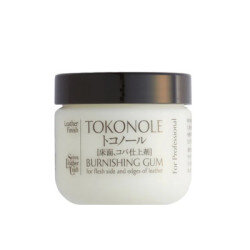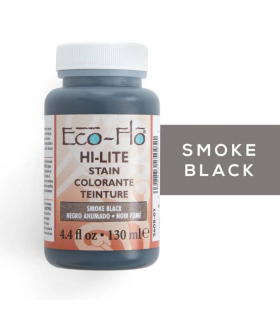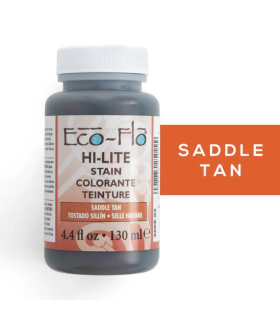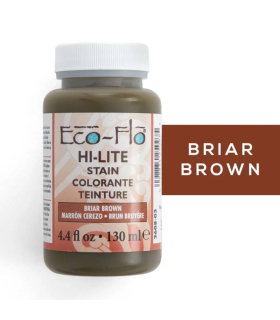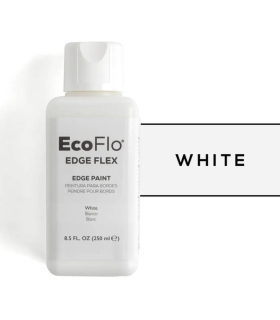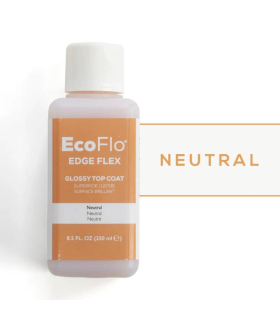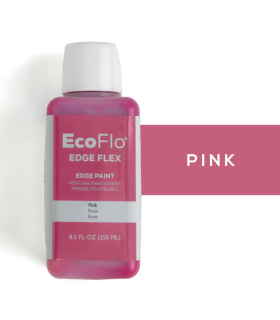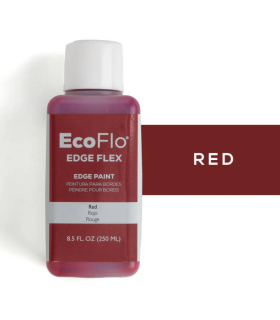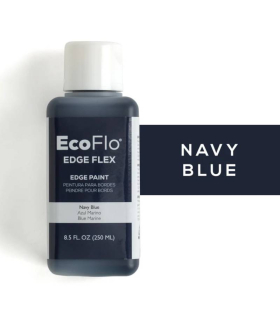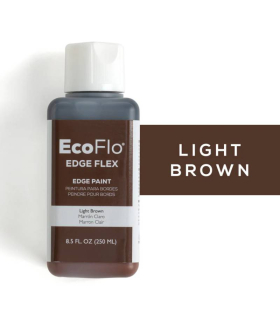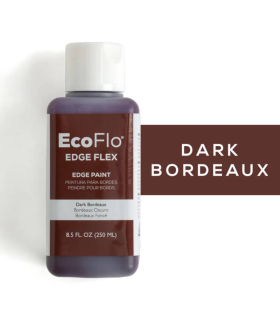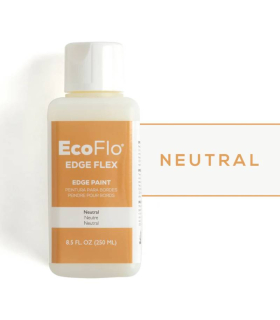


€10.55 (tax incl.)
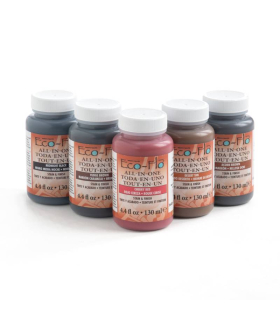
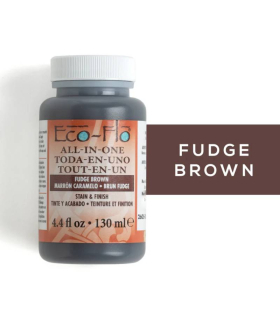
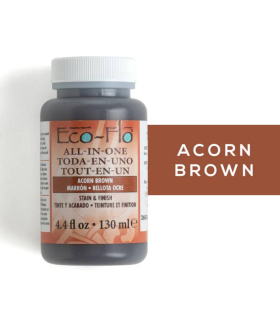
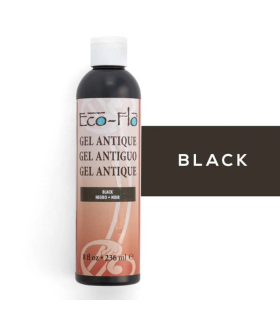
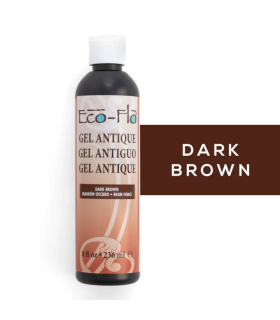
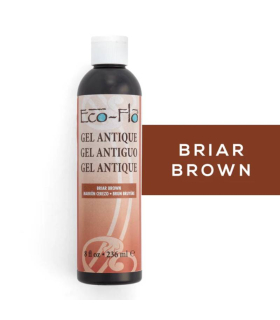
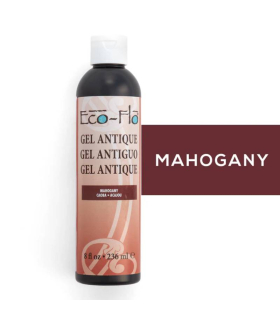
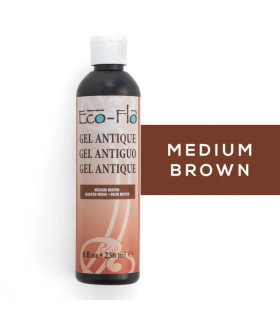
Gel Antique Eco-Flo. Dense gel (water-based) for engraving leather. Apply in circles on dry leather, rub until achieving a smooth finish, remove excess product. Apply finishes to finish (carnauba, shene,...). Avoid...
Chemicals for patinas on leather, protective products against humidity or conservation. Finished surface, shiny or satin-finished, patinas of aged care.
In the realm of artisan leathercraft and saddlery, one of the most coveted attributes is the beautiful, complex surface known as patina. More than just color, patina is the story a piece of leather tells over years of use: a blend of subtle sheen, deepened hues, and the hallmarks of careful aging. To accelerate or enhance this process, leather patina products have acquired a vital role in both new creations and restoration work. These solutions go beyond simple dyes or conditioners—they bring with them a sense of heritage, uniqueness, and functional artistry that distinguishes premium saddlery for the discerning rider or collector. Understanding the types of patina products available, when to use them, and how to apply them for maximum effect is essential for anyone seeking to elevate their leatherwork to a true work of art.
Patina, at its heart, is a natural transformation that occurs as oils from hands, environmental exposure, sunlight, and years of diligent care enrich leather surfaces. However, with specialized patina products, craftspeople can deepen and accelerate this character-building process. Whether for a brand new saddle that needs an antique finish or rejuvenating an old bridle, these products balance chemistry with artistry.
In saddlery, the patina is more than a visual effect—it's a marker of authenticity and time-tested quality. It makes each saddle unique, conveying softness, warmth, and the memories of shared miles. Real patina tells a story, but the right products and expertise can help achieve this look much sooner, or restore it where it has faded with age.
Leather patina products come in several major categories, each serving specific needs and artistic preferences. Among the most widely used are patina oils, which penetrate deeply to bring out richness and encourage natural oxidation. These may include neatsfoot, mink, or vegetable oils, often enhanced with pigment or botanicals for added depth.
Patina creams and waxes are typically worked into the leather’s surface to create a gleaming, vintage effect and to seal in oils. These can subtly alter hue, enhance highlights and shadows, and give leather the soft, radiant glow seen in the world’s best-loved saddles. Antiquing gels and pastes are another important category: thick, tinted products designed to settle into tooling or carved details, emphasizing age and relief while enhancing both the color and definition of ornamental work.
Some artisan brands offer patina glazes or shellac-based finishes for extra depth and water-resistance, while others produce hand-rubbed colorants made specifically for vegetable-tanned or bridle leathers. The key is to select the formulation that best matches the leather’s type, intended use, and the patina effect desired.
The use of patina products depends not only on the desired look, but also on the moment in the saddle’s lifecycle—whether accentuating new craftsmanship or reviving aged gear. For new leather saddles, belts, and tack, patina oils and creams are often introduced after basic dyeing and conditioning, but before a final finish or topcoat. This allows the product to interact naturally with the leather, promoting gentle oxidation and giving a classic, timeworn aspect much sooner.
On restoration projects, patina products are employed to even out sun-faded colors, conceal minor abrasion, and breathe life back into dried or tired saddlery. Special care is taken to match existing tones, working gradually for harmonized, authentic results. In both cases, the application of patina is often focused on high-contact zones—saddle seats, pommels and handles—enhancing depth where natural aging would have occurred.
For decorative tooling and carved accents, antiquing gels and tinted waxes are perfect for settling into recessed details, providing a striking contrast and highlighting craftsmanship. Whether working with plain, dyed, or carved leather, each application is a step in telling the object’s unique story.
The proper method for applying patina products blends technical care with creative intuition. Begin with clean, dry leather that has been fully conditioned but not sealed—allowing maximum absorption of the patina formulation. Oils are typically rubbed in with lint-free cloths or sponge, working in light coats to gradually build up depth and richness. It’s crucial to let each coat dry and oxidize before adding another, as this slows the process and delivers a more nuanced, layered effect.
For creams and waxes, circular rubbing with a soft cloth generates heat, helping blend colors into the grain while producing the coveted glow of aged leather. With gels for antiquing finish, apply liberally over tooled areas, then wipe away the excess from high points, leaving the pigment concentrated in details for dramatic shadow effects.
The finishing touch often involves gentle buffing with a horsehair brush or wool pad, setting the sheen and ensuring that oils or colorants have integrated naturally. Care must be taken not to leave an overly slick or greasy finish, as this can attract dust and compromise grip during use.
Beyond aesthetics, the use of patina products offers tangible benefits for saddlery. Patina oils and waxes penetrate and seal the leather’s surface, providing a barrier against moisture, dust, and surface abrasion. This helps maintain the strength and suppleness of saddles, reins, and straps, reducing the risk of drying or cracking under daily stresses.
Visually, patina enhances the natural highlights and character marks unique to each hide, adding depth and personality. The satin or semi-gloss effect that results is inherently less prone to harsh artificial shine, and, over time, each saddle tells a story that owners value as much as the piece itself. In traditional and among collectors, a masterful patina is often seen as a mark of distinction, a testament to skill, care, and heritage.
The right choice of patina product depends on both the type of leather and the intended finish—lighter tones requiring more translucent glazes or colorless waxes, while deeper browns and blacks benefit from richer, more pigmented oils and gels. Always sample any product on a hidden area first to observe its effect over several hours.
Store all patina products in tightly closed, opaque containers, away from excessive heat or sunlight to prevent them from thickening or spoiling. Periodic stirring or shaking may be needed to keep pigments and oils well mixed. For artisan and professional saddlers alike, carefully kept patina products are a valued part of the workshop, ensuring consistent, high-quality results with every piece.
The esteemed look and feel of patinated leather has transformed ordinary saddlery into heirlooms and collector's treasures for centuries. Through understanding leather patina products—their types, timing, and techniques—craftsmen and enthusiasts can nurture both the beauty and the lasting strength of their leather gear. Whether building new saddles, knife sheats, sword covers that need immediate character, or reviving an old favorite to its former glory, patina products remain at the heart of leather artistry. Blending science, tradition, and a craftsman’s patience, give the leather patina guarantees enduring appeal and true individuality, use after use and generation after generation.
Please sign in first.
Sign in
Create a free account to save loved items.
Sign in