

Various
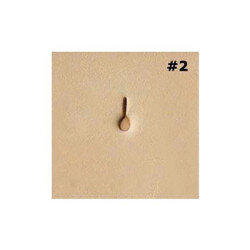
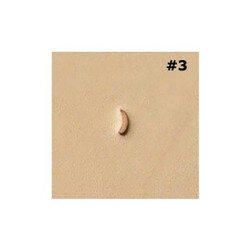
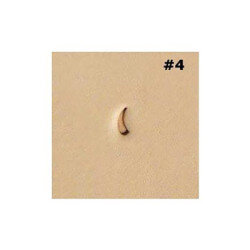
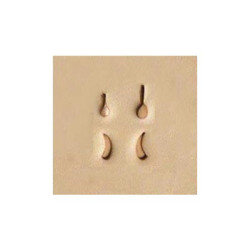
€8.50 (tax incl.)€10.50
Tools for details and effects in embossed leather.
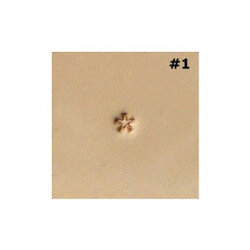
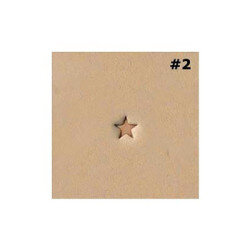
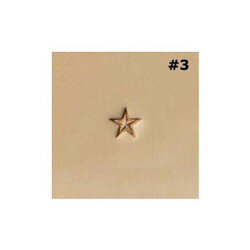
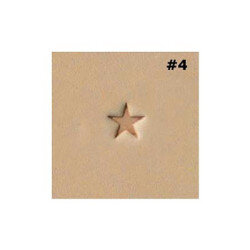
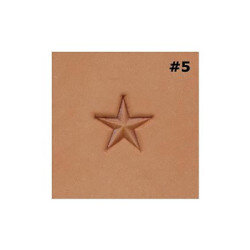
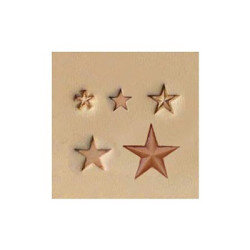
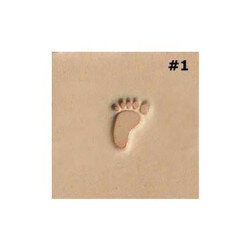
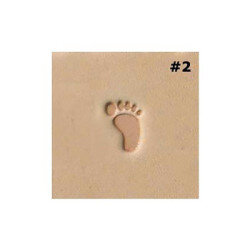
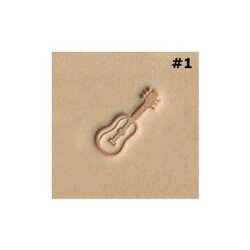
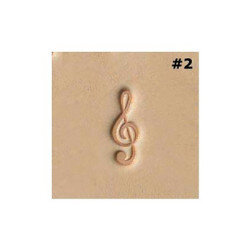
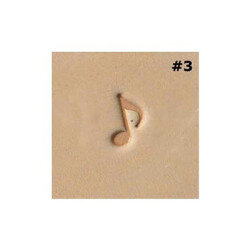
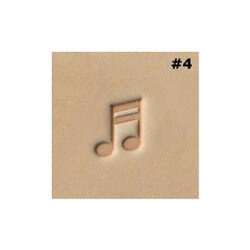
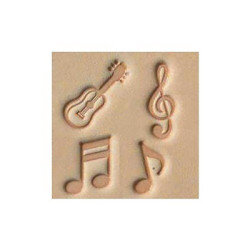
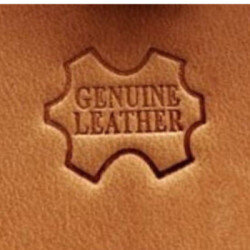
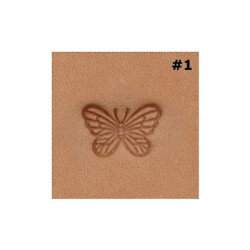
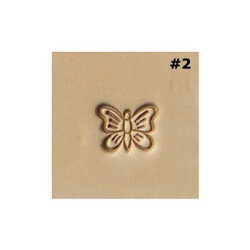
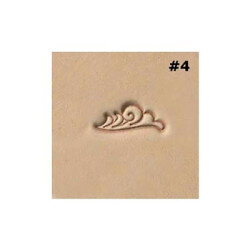
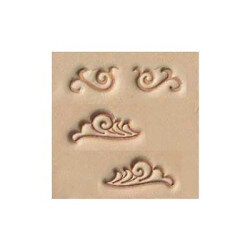
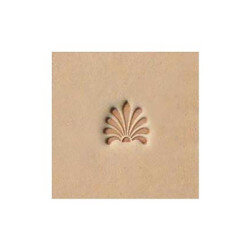
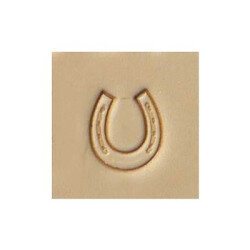
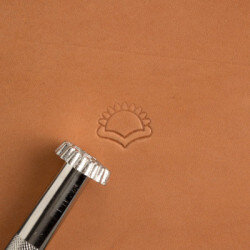
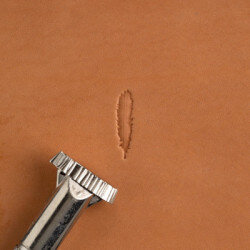
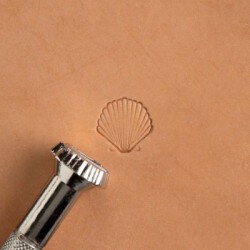
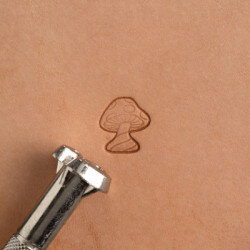



Showing 1-26 of 26 item(s)
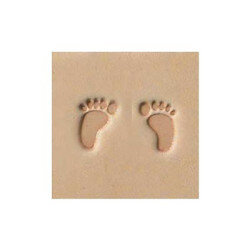
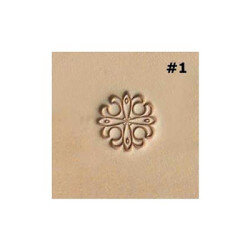
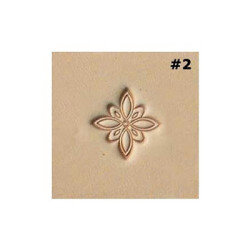
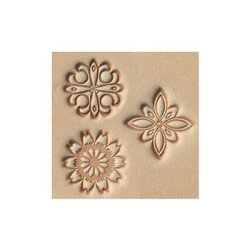
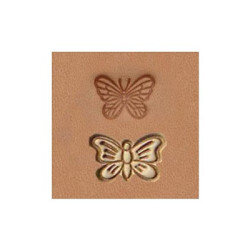
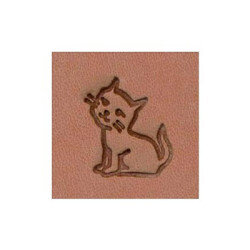
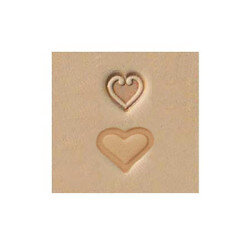
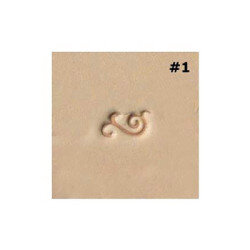
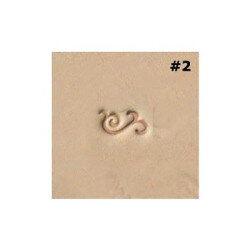
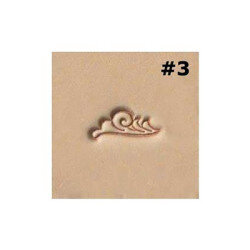
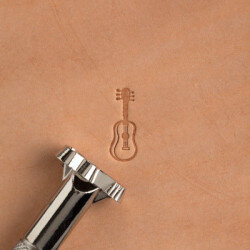
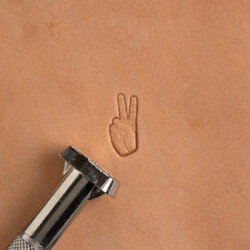
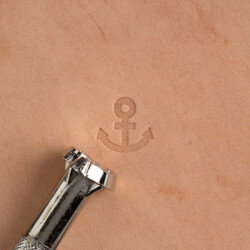
Dies and stamps with different motifs and decorative patterns. Fun figures or typical usually used for more casual carved.
Various Forms of Stamp Dyes for Leather Carving: Patterns, Materials, and Professional Uses in Saddlery, Sheaths, and Custom Leatherwork
In the world of leather carving, the selection and use of various forms of stamp dyes play a transformative role in creating depth, character, and distinction in every piece. From classic Western saddlery to unique knife and sword sheaths and luxury accessories, stamping brings the creative vision of the artisan to life. Understanding the types of stamp patterns, the materials and sizes available, and how to prepare leather for the best impressions ensures that your projects look professional, perform beautifully, and wear well over time.
Types of Stamps and Patterns in Leather Carving
Leather stamps come in a rich range of patterns, each designed for a specific purpose:
- Geometric Stamps: Diamonds, hexagons, chevrons, basketweave, and lattice stamps are perfect for consistent backgrounds, borders, and structured effects. They are a hallmark of Western saddlery, often lending extra grip and durability to commonly handled surfaces.
- Floral and Scroll Stamps: Roses, sunflowers, daisies, acanthus leaves, and scrollwork are integral to traditional and modern floral carving. These stamps help create flowing, lifelike motifs on saddle skirts, belts, wallets, and bag panels.
- Backgrounders and Fillers: Seeders, matting stamps, and camouflage stamps add texture to backgrounds and negative spaces, making the main design stand out. They are critical in both Western fenders and artistic sheaths.
- Specialty Stamps: Veiners, pear shaders, bevelers, and mulefoot stamps accentuate details in leaves, petals, and scrolls, adding depth and movement that draws the eye.
- Pictorial and 3D Stamps: Animals, brands, logos, and even miniature scenes can be added quickly with 3D pictorial stamps—popular for sheaths, commemorative pieces, and gift gear.
With these varied patterns, artisans can produce any style imaginable—from rugged, classic Western to contemporary, minimalist designs.
Materials: Cast vs. Steel Forged Stamps
The material from which a stamp is made greatly influences both its longevity and the sharpness of its impressions:
- Cast steel or brass stamps are made by pouring molten metal into molds, resulting in tools that are affordable and widely available. These are excellent for hobbyists and those exploring new patterns, though they may lose sharpness with extensive use.
- Steel-forged or CNC-machined stamps are crafted for professional-grade work. Forged or precisely machined from tool steel, these maintain their crispness through years of use, making them ideal for busy saddlery shops or dedicated artisans. Knurled or textured handles are common for added grip and comfort.
Sizes: Adapting to Every Leather Project
Stamp sizes range from small (2–7mm) for wallet details, sheath borders, or tiny floral accents, through medium (8–15mm) for belts, strap work, and main motifs, to large (16mm+) for saddles, bag panels, and bold commemorative pieces. Matching the size of the stamp to the area ensures design clarity, balance, and professional finish. Using multiple sizes also helps create layered, dynamic effects—a key to award-winning saddlery and collector-grade sheaths.
Leather Preparation: The Foundation for Crisp Stamping
Begin with high-quality vegetable-tanned leather. To case leather, moisten it evenly with water, then allow it to rest until it feels cool, flexible, and just slightly darker than dry. Proper casing ensures the fibers are receptive to deep, lasting impressions without crushing or fuzzing the stamp edges.
Lay the leather item on a hard, non-bouncing base such as granite or marble. Carefully plan your design, lightly marking guidelines with a stylus or pencil. Always test new stamps and dyes on a scrap piece from the same leather batch, as results can vary based on thickness, density, or previous conditioners.
When and Where to Use Various Stamp Dyes in Saddlery and Sheaths
Stamps and dyes are essential throughout every level of saddlery work:
- Saddle skirts, fenders, and cantles are brought to life with bold geometric fields, layered florals, or custom logos.
- Belts, holsters, wallet exteriors, and breastcollars all benefit from durable, detailed borders and motifs, combined with background dyes for contrast and visual depth.
- In knife and sword sheaths, a mix of small florals or geometric patterning can fill tight panels, while stamps make it easy to add a maker’s mark, commemorative year, or favorite animal in seconds.
When properly dyed, the impressions from each stamp are further enhanced. Alcohol-based dyes offer vibrant, penetrating color, while water-based and antique gels are perfect for blending or drawing out shadows within the design. Dyes settle into the low points of the stamped pattern, creating a multi-dimensional look that endures through years of use.
Conclusion: Mastery and Creativity with Stamp Dyes
The use of various forms of stamp dyes in leather carving is the mark of a skilled artisan. By selecting the right pattern, material, and size for each project, preparing your leather with care, and pairing with quality colors, you allow every element of saddlery or sheath work to reach its highest potential. With endless combinations at your fingertips, let stamp dyes guide you to new levels of artistry, customization, and lasting beauty in every piece you create.