€52.71 (tax incl.)
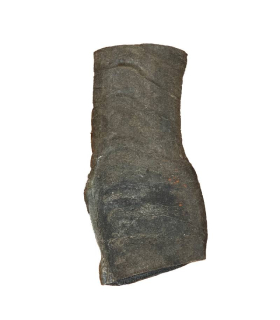
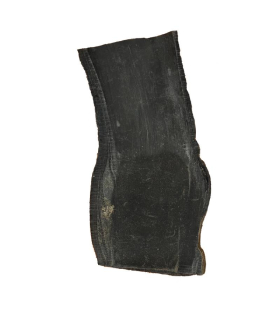
Whole buffalo horn for handles of knives, archery and handles.
Whole buffalo horns, horn tips, grips, blocks, spacers and other made from horn, used in knives and other crafts.
Buffalo horn represents the apex of natural handle materials in custom knife and sword making, available in various formats that serve different aspects of handle construction. Each format, from raw horns to precisely cut blocks, spacers, and buttons, offers specific advantages for different design applications. Understanding these formats helps craftsmen select the optimal material for their specific projects.
Raw buffalo horn provides the most authentic starting point for traditional knife makers. These complete horns allow craftsmen to select exactly where to source their material, taking advantage of the varying densities and patterns found throughout the horn's structure. The base sections typically offer the densest material, perfect for larger handles, while tip sections provide excellent material for smaller projects or decorative elements. Working with raw horn requires experience in material assessment and preparation but offers the greatest flexibility in material utilization.
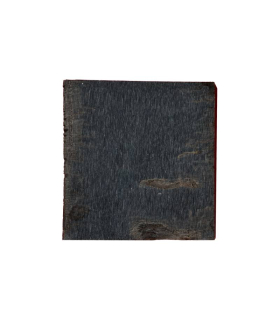
Buffalo horn blocks represent the most versatile format for handle construction. These precisely cut pieces come stabilized and ready for working, saving considerable preparation time while ensuring consistent quality. Available in various sizes, blocks prove particularly suitable for full-tang knife handles and sword grips. The standardized dimensions of blocks make project planning more straightforward, while their careful preparation ensures stability through the working process.
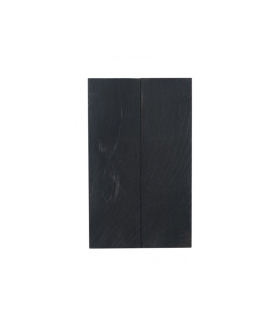
Horn scales offer an efficient option for traditional knife handles. These matched pairs of horn sections come precisely cut and stabilized, ready for mounting to tang knives. Scales provide excellent material economy while ensuring consistent thickness and quality across the handle. Their standardized format makes them particularly suitable for production work, where consistency and efficiency are paramount.
Buffalo horn rolls provide unique opportunities for handle wrapping and inlay work. These thin, flexible sheets can be applied over handle cores or used as decorative elements in more complex designs. The natural flexibility of properly prepared horn rolls allows for creative applications while maintaining the material's distinctive appearance and durability. This format proves particularly valuable in traditional sword handling techniques where wrapped grips are desired.
Buffalo spacers and buttons add distinctive accents to handle designs. These precisely dimensioned elements provide visual contrast and functional transitions in handle construction. Available in various thicknesses and diameters, horn spacers and buttons allow craftsmen to incorporate traditional elements into their designs while maintaining material consistency throughout the handle construction.
Raw horn requires careful cleaning, cutting, and stabilization before use. This process demands experience but allows for complete control over material preparation. Pre-cut formats arrive ready for working, having undergone professional stabilization processes that ensure consistent quality and working characteristics.
Raw horn might require sawing and rough shaping before final working, while pre-cut blocks and scales allow immediate focus on final shaping and finishing. Understanding these differences helps craftsmen select the most appropriate format for their skill level and project requirements. Each format demands specific tools and techniques for optimal results.
Storage considerations vary by format as well. Raw horn requires careful storage to prevent warping or cracking, while stabilized formats prove more forgiving in storage conditions. Proper storage techniques preserve material quality and working characteristics, particularly important with premium buffalo horn where material cost makes proper preservation essential.
Remain relatively consistent across formats, though initial preparation steps vary. All buffalo horn formats respond well to progressive polishing, developing the deep luster characteristic of this material. Final finishing techniques focus on bringing out the natural beauty of the horn while providing long-term protection against environmental factors.
Design possibilities expand with the understanding of different formats. Combining various buffalo horn formats in single projects allows for creative expression while maintaining material consistency. For example, a knife handle might incorporate horn blocks for the main grip, with thin spacers providing accent lines and small buttons as decorative elements.
While raw horn might offer the lowest cost per volume, the additional preparation time and potential material waste must be considered. Pre-cut formats typically provide better material economy for specific projects, particularly when factoring in preparation time and consistent quality.
Professional knife makers often maintain inventories of multiple formats to meet various project requirements. This approach provides flexibility in design while ensuring material availability for different project types. Understanding the characteristics and applications of each format allows for efficient material utilization across various projects.
The investment in quality buffalo horn, regardless of format, pays dividends in final project quality. Each format serves specific purposes in handle making, from traditional full-handle construction to decorative elements and accents. The versatility of buffalo horn across these formats has helped maintain its position as a premier handle material in fine knife and sword making.
Please sign in first.
Sign in
Create a free account to save loved items.
Sign in