

Setters


€78.95 (tax incl.)
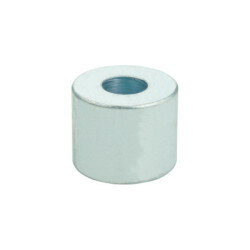
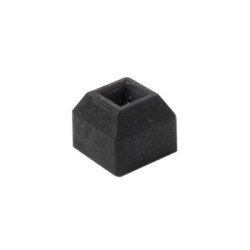
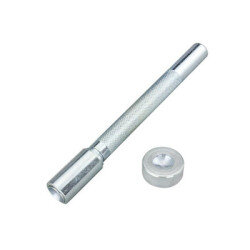
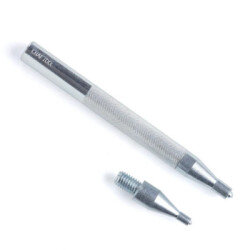
For riveting round studded with machine of riveting, ref.1420-T.

€16.96 (tax incl.)€19.95
For normal snaps, automatic snaps and type SEGMA.

€29.90 (tax incl.)€33.60
For normal snaps, button and type SEGMA. And rapid rivets for leather.

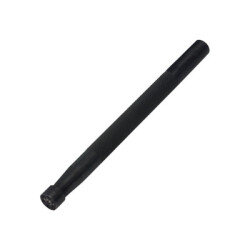
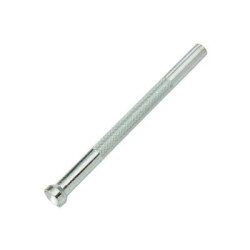

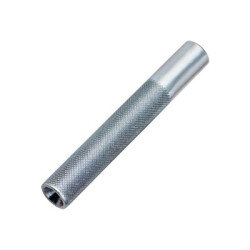
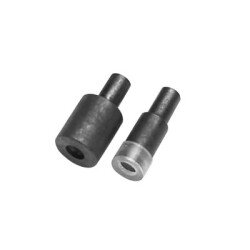
€105.95 (tax incl.)
For riveting tubular rivets with machine of riveting, ref.1420-T.
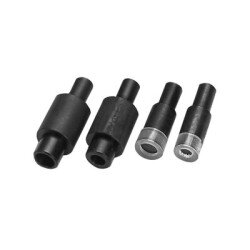
€132.75 (tax incl.)
To rivet rivets fast machine for riveting, ref.1420-T.
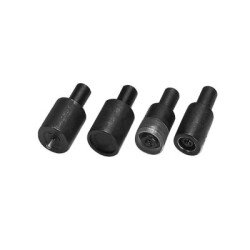
€105.95 (tax incl.)
For riveting snaps with machine of riveting, ref.1420-T.
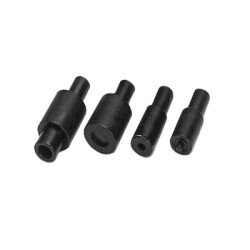
€100.65 (tax incl.)€105.95
For riveting brooches with machine of riveting, ref.1420-T.
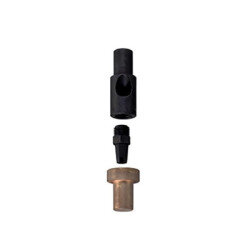
€105.95 (tax incl.)
For riveting eyelets with machine of riveting, ref.1420-T.
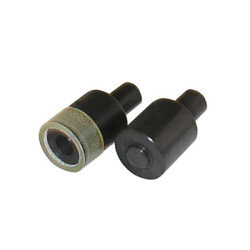
€78.95 (tax incl.)
For riveting eyelets with machine of riveting, ref.1420-T.
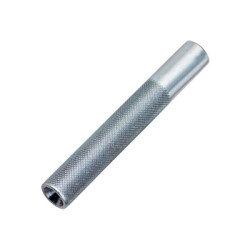
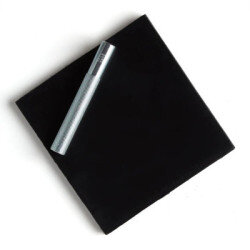


Showing 1-28 of 34 item(s)
Setters, hand tools and machines for riveting or set all elements and hardware in leather. Eyelets, rivets and snaps. Riveting machine and press.
Leather Setters: Precision Tools for Rivets, Snaps, and Grommets in Saddlery and Leathercraft
In the world of leatherworking, setting hardware is a vital phase that transforms crafted material into functional, durable products. Whether the goal is fastening saddle parts, adding reinforcement, or installing a closure on a custom sheath, the right leather setter makes all the difference. From hand press setters to manual options worked with anvils or dies, these tools provide the controlled force and accuracy needed to securely set rivets, snaps, grommets, and eyelets—essential components in high-stress gear like saddlery and knife or sword sheaths.
The Importance of Leather Setters in Quality Leatherwork
The act of setting hardware in leather demands careful balance: enough strength to deform the metal for a tight hold, but with control to avoid damage or misalignment. Leather setters bridge that gap, ensuring lasting security and a clean, professional finish. A poorly set rivet or snap can compromise the entire piece, leading to failure under tension and premature wear. Setters are a must for achieving durable, attractive, and reliable results in saddlery, belts, bags, or protective sheaths.
Types of Leather Setters: Hand Press and Manual Setters with Anvils or Dies
There are two main categories of leather setters used in professional craft: hand press setters and manual setters with anvils or dies.
Hand press setters are tabletop or benchtop tools operated by a lever or handle, often accommodating a variety of interchangeable dies for different hardware types. These powerful, stable presses provide both precision and repeatability, making them ideal for high-volume work in saddlery shops or for crafters who value efficiency and consistent quality. The hand press can be adjusted for force and depth, reducing the risk of over-crushing delicate hardware and ensuring that each rivet or snap is set flush and even across the project. For those producing horse tack or multiple sheaths, the hand press dramatically increases speed and accuracy.
Manual setters with anvils or dies are the traditional, hand-powered option. They typically consist of a striking tool (the setter), a small anvil or base, and a die matched to the hardware being used. To operate, the user aligns the hardware, places the setter on top, and strikes it with a mallet or hammer to deform and secure the metal. Manual setters offer excellent flexibility, are portable, and are ideal for small batches, occasional repair work, or for working on large or irregularly shaped items that cannot be placed in a press. Saddlers rely on manual setters for in-situ repairs and on areas where a press cannot reach, such as assembled saddle skirts or decorative belt tips.
Understanding Dies, Anvils, and Interchangeability
Dies and anvils are the heart of the setter system. Dies are specifically shaped to fit the rivet, snap, grommet, or eyelet being used and ensure the hardware deforms properly without damaging the leather or leaving unsightly tool marks. Swapping dies in a hand press, or matching dies to various hand setters, gives craftsmen flexibility for working with all standard hardware sizes in saddlery: from small rapid rivets and double-caps to heavy-duty Chicago screws or specialty grommets. Anvils act as a base and may curve or contour to support domed hardware or provide stability on uneven surfaces.
High-quality dies can make the difference between a ragged, split rivet and a perfect, factory-like set. Leatherworkers working with decorative snaps or colored hardware often keep a range of dies and anvils matched to their preferred brands or sizes for a flawless finish every time.
When to Use Setters: Riveting, Snaps, Eyelets, and Grommets
The main applications for leather setters include installing rivets, snaps, eyelets, and grommets.
Rivets are commonly used to reinforce high-stress zones in saddlery—attaching billets, reinforcing corners of bags, or securing layers of saddle skirts and fenders. Perfectly set rivets ensure gear can withstand years of pulling, flexing, and environmental strain.
Snaps provide convenient closure systems for saddle bags, chaps, belts, or removable straps, allowing for secure and easy fastening. In sheath making, well-set snaps are critical for retention straps or quick-access flaps, ensuring secure carry and smooth operation without pulling through the leather.
Eyelets and grommets are primarily used for lacing or ventilation. In saddlery, they appear on tie straps, buckle tongues, or where padding or cushioning is laced into place. In custom sheath work, grommets are used for laced closures or decorative attachments—also providing a professional edge and prolonged lifespan by preventing tearing or stretching.
Where in Saddlery and Leathercraft are Setters Essential?
In saddlery, nearly every functional component may require hardware: billets, stirrup leathers, girths, rein connectors, decorative conchos, and more. Each of these relies on accurately set hardware to prevent failure in the field. Setters are used both in production—before assembly, while all pieces are flat—and in repair, when only certain areas are accessible.
They are equally vital in knife and sword sheath making, where rivets reinforce stress points, grommets provide lacing holes or belt attachments, and snaps finish off retention straps or closures. Consistency matters; a single miss-set fastener can compromise both appearance and function.
Even in fine leather goods like bags, belts, and wallets, setters are used for snap closers, decorative rivets, and functional eyelets. Mastery of the setter means never damaging the project’s finish while achieving a permanent, professional connection between leather and hardware.
Tips for Precision Setting and Professional Results
The key to flawless setting work is proper preparation and alignment. Before setting, always mark hardware locations with care, ensuring layers are accurately stacked and any drilled/punched holes match the hardware size. Select the correct die and anvil, and test on scrap leather if using unfamiliar hardware. For thick leathers and multi-layer builds in saddlery, support the workpiece fully to avoid unwanted bending or crushing.
Consistent, controlled force is crucial. With a hand press, adjust the pressure as needed; with manual setters, use multiple light taps rather than a single heavy blow to prevent denting or misalignment. Regularly check dies for wear or residue, as even a small scratch can mar finishes on decorative snaps or plated rivets.
Conclusion: Professional Edge and Functionality with the Right Setter
Whether building durable saddles, crafting distinctive sheaths, or finishing off fashion leather goods, leather setters are tools no serious artisan can do without. Choosing between hand press and manual setters with anvils or dies depends on workflow and scale, but both offer the precision necessary for exceptional results. Mastery of these tools ensures every snap, rivet, and grommet does its job—both as a secure fastener and as a mark of true craftsmanship—giving your work the professional edge that stands up to years of use.