

Woods










€8.95 (tax incl.)
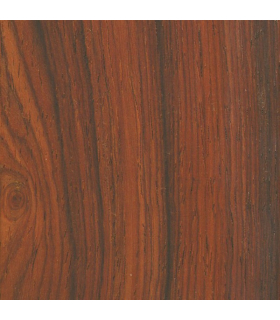
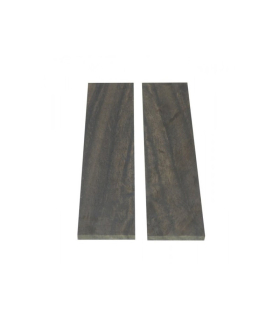
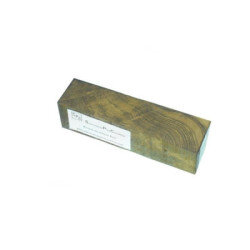
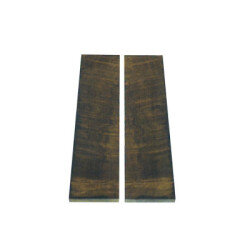
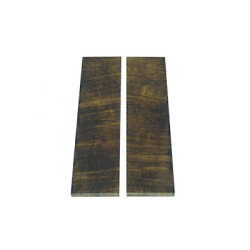
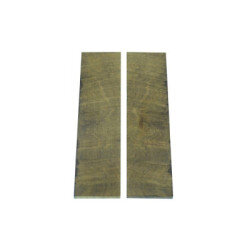
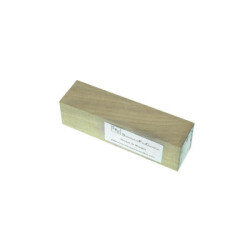
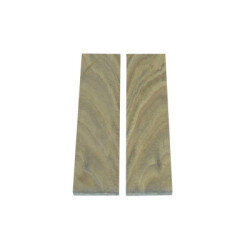
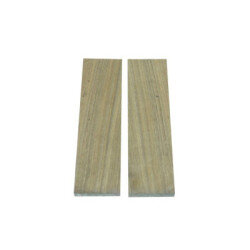
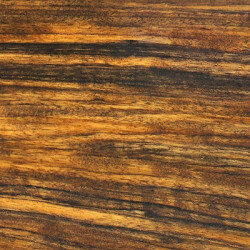
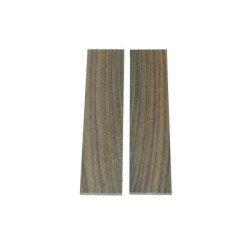
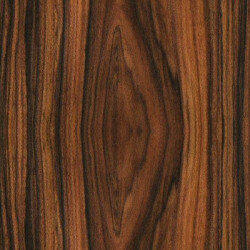
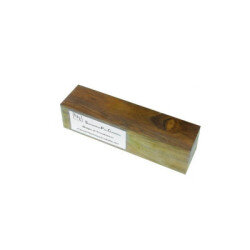
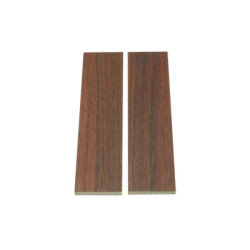
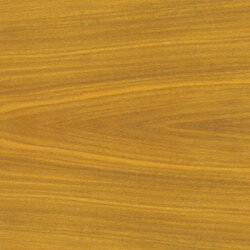
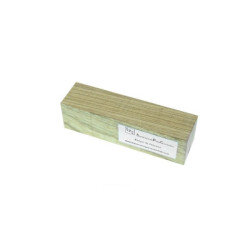
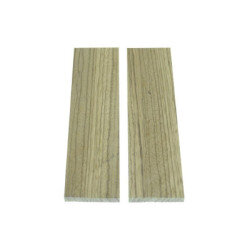
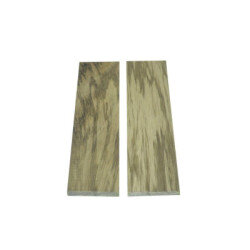
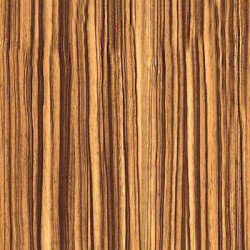
African Padauk wood, blocks and scales (matched sets).









Showing 1-24 of 24 item(s)
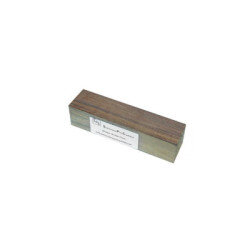
Selection of domestic and exotic hardwoods used handles and other handicrafts. Blocks and wood for handles of knives as grips: ebony, pink ivory, cocobolo, bocote, rosewood, wenge, olive, oak, snake wood,...
Premium Woods for Custom Knife Handles: Complete Material Guide
Natural woods
Represent the pinnacle of traditional handle materials in custom knife and sword making, offering unmatched warmth, character, and practical functionality. Each species brings unique properties and aesthetic qualities, making wood selection a crucial aspect of custom knife design. From dense exotic hardwoods to distinctive local species, natural woods continue to captivate both craftsmen and collectors with their exceptional beauty and practical benefits.
Stabilized woods
Have revolutionized handle making, combining natural beauty with enhanced durability. This modern treatment process fills wood's cellular structure with resins, creating material that maintains natural appearance while providing superior stability and moisture resistance. Stabilized woods prove particularly valuable for working knives, offering practical durability while preserving distinctive grain patterns and natural character.
Working with wood blocks
Demands attention to grain orientation and material characteristics. Proper block selection considers both structural integrity and aesthetic appearance, ensuring optimal results in finished pieces. Understanding grain patterns and their influence on both strength and appearance helps craftsmen achieve professional results consistently.
Scale preparation
Requires precise cutting and matching techniques to achieve professional results. Careful attention to grain matching between scales ensures symmetric appearance in finished handles. Proper thickness planning considers both aesthetic proportions and structural requirements, while maintaining comfortable grip dimensions.
Finishing techniques for wooden handles
Significantly influence both appearance and durability. Multiple finishing layers build depth and protection while enhancing natural grain beauty. Understanding different finish options enables craftsmen to achieve desired appearance while ensuring practical durability for intended use.
Moisture consideration plays crucial roles in wood handle construction. Proper material preparation and stabilization (by controlled dryed or quemicals) prevent future movement while maintaining structural integrity. Understanding wood's relationship with moisture helps craftsmen prevent potential issues while ensuring long-term stability.
Assembly techniques for wooden handles
Require attention to proper adhesive selection (epoxi resin) and application. Different woods may demand specific adhesive types for optimal bonding strength. Understanding these requirements ensures both aesthetic appeal and structural integrity in finished pieces.
Maintenance requirements vary between different wood species and treatments.
Stabilized woods typically require minimal maintenance while maintaining appearance indefinitely. Traditional woods may benefit from occasional oiling to maintain appearance and protect against environmental factors.
Storage considerations for wood materials
Proper storage prevents unwanted changes in moisture content while preserving working properties. Understanding these requirements helps maintain material quality through project completion.
Conclusions
The investment value of premium wood handles continues to appreciate, particularly with increasingly scarce exotic species. Well-executed wooden handles often become defining elements of custom knives and swords. This attention to material selection and craftsmanship helps establish and maintain higher market values for finished pieces.