
€54.95 (tax incl.)
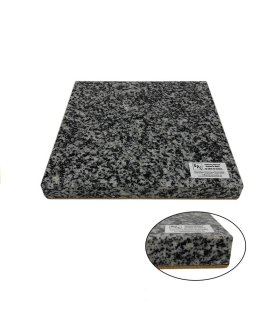
Firm embossing granite base, with cork to cushion bumps and noise.
In order to make a good job of embossing or matting is essential to have a firm and hard, base to suffer the blows. Embossment on soft or uneven surfaces, causes deformations in carved motives, in addition it is necessary to tap more often and harder to get a good carved. Therefore we recommend to use a slab of embossing.
Every successful project in leatherwork begins with a strong, stable foundation. For leather carvers, embossers, and saddlers, that foundation is almost always the embossing slab. While the tools that make the impressions and the artistic touch get much of the glory, it is the slab beneath the leather that ensures every cut is crisp, every stamp is clear, and every pattern remains true. Whether you’re stamping a saddle, tooling a belt, or carving a custom sheath, understanding the right slab material and setup is crucial for both quality results and tool longevity.
Embossing slabs serve as the work surface when tooling, stamping, or cutting leather. Their primary role is to absorb the impact of mallets and hand tools, providing both resistance and deadening so the energy of the strike goes into the leather—not through to your benchtop or back into your hand. By offering a flat, stable base, slabs prevent stretching, wrinkling, or distorting the leather as force is applied, resulting in consistent, clean impressions.
In saddlery workshops, where thick hides and robust tools are common, using the right slab also minimizes vibration, reducing hand fatigue and protecting the expensive tools from dulling or bending. For smaller or more delicate work, such as knife and sword sheath panels, a high-quality slab ensures detail is sharp and nothing slips out of alignment during work.
Granite embossing slabs are widely recognized as the premier choice for leather carving and stamping. Granite is extremely hard, non-porous, and perfectly flat, which means it doesn’t flex or transfer mallet energy away from the strike zone. Its weight keeps it anchored on any bench, while the polished surface is kind to leather, preventing marks or dents.
Most professional saddlery shops and experienced crafters invest in at least one thick granite slab, often cut from old countertop offcuts or purpose-made for leatherwork. Granite's density offers the perfect balance—absorbing shock while giving a solid rebound for crisp, deep stamps and knife cuts. For heavy-duty saddlery and repeated use with a mallet, granite is unrivaled for its resilience and comfort.
When carving intricate designs or tooling details on sheaths or belts, granite’s consistency ensures the same pressure and clarity is achieved from edge to edge. Plus, it’s easy to clean and won’t harbor moisture or residues that could stain fine leathers.
Some granite embossing slabs are produced with a cork backing, adding a layer of vibration dampening and surface protection to the classic stone base. The cork minimizes transmission of impact to the workbench—useful in shared studios or situations where noise is a concern. This soft bottom also prevents the slab from scratching wooden or metal benches and offers a small amount of slip resistance, helping keep everything in place during precise work.
For modern saddlers or home hobbyists working on multipurpose benches, a granite slab with cork can make hours of carving or stamping quieter and less jarring on the joints. It is equally handy for portable setups or when you need to move the slab between workstations.
While not as weighty or unyielding as granite, plastic or polymer slabs have become popular in some leatherwork settings for being lightweight, affordable, and easy to transport. These slabs are often made from high-density polyethylene (HDPE) or other specialty plastics that offer a reasonably flat, durable surface for light tooling, cutting, or assembly work.
Plastic slabs are especially useful for those cutting or skiving with sharp knives, as they are gentle on blades and easy to clean up. However, they don’t deaden vibration or absorb shock quite as well as granite, meaning they may not be the best pick for heavy mallet use in saddlery. For hobby crafters or those focused on detail work—such as small sheath panels or delicate carving—plastic is an affordable compromise, and being lighter makes them great for travel, classrooms, or outdoor events.
Goam slabs, which may include gum rubber or EVA foam mats, serve a special purpose in leathercraft. Rather than providing the resistance of stone or plastic, foam offers cushioning—making it ideal for setting snaps, eyelets, or grommets that require force but lessened rebound. Goam also absorbs some vibration and allows for “give” under the leather, which can be useful when flattening seams, gluing layers, or assembling delicate items.
Some crafters use a layer of foam under their granite or plastic slab to further deaden vibration during heavy tooling. In saddlery, foam backing might be used beneath soft leather parts that should not be over-compressed, or when gluing together intricate layered constructions. For sheath making, goam can help when flattening wet-molded sheaths or setting hardware on softer pockets and flaps where a rock-hard slab may leave impressions you don’t want.
A good embossing slab should be atop your bench every time you’re tooling, stamping, carving, or assembling leather by hand. In saddlery, use your granite (or backed granite) slab for:
Stamping and carving saddle skirts, cantles, and fenders: Every impact from a maul or mallet transmits correctly, ensuring decoration is crisp and uniform.
Casing and cutting thick hides for billets, reins, straps, or riggings: The slab prevents bouncing and distortion, so every incision is clean.
Setting hardware: When used with a backup anvil or goam for sensitive spots, slabs empower precise placement and tight sets for rivets, snaps, and grommets.
In sheath making, slabs offer the stability needed for carving detailed motifs, shaping belt loops, or setting hardware without marring the finish—critical for custom, high-value pieces. Whether pressing down decorative stamps or slicing perfect edges, the foundation of an embossing slab preserves both the quality of the leather and the integrity of each cut or impression.
The main consideration is material and size. For most saddlery, a 12"x12" or 12"x18" granite slab is the sweet spot—large enough for any piece but compact enough to keep handy. Plastic or foam slabs can be cut to fit small work areas or for task-specific needs. Always keep your embossing slab clean and free of grit: wiping it before each project prevents particles from marring premium hides.
If using a cork- or foam-backed slab, check the base regularly for compression or wear and replace as needed. When transporting slabs (especially heavy granite), handle with care to avoid chipping the edges or damaging your work surface. For mixed-material setups, layer your foam, plastic, or granite thoughtfully for each process: granite for carving and stamping; foam for setting snaps or flattening glued seams.
While they rarely get the spotlight, embossing slabs—whether granite, granite with cork, plastic, or goam—are the foundation for premium leatherwork. In saddlery and sheath making alike, their role in ensuring clarity, consistency, and tool longevity cannot be overstated. The right slab transforms your craft, supporting every impression, every cut, and every stitch with unwavering stability. Choose well, care for your slab, and let your creativity ride on the soundest foundation possible.
Please sign in first.
Sign in
Create a free account to save loved items.
Sign in