

Kydex








Showing 1-13 of 13 item(s)
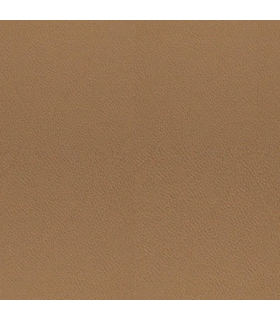
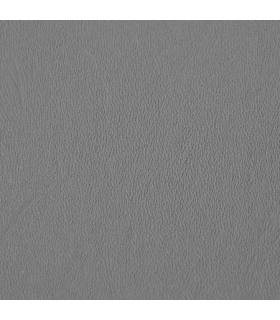
Kydex was a material developed for military industry, which spread quickly to others like the aeronautical. Waterproof, durable and moldable material by temperature. Used in the manufacture of sheaths: knives, guns, pocketknives and anything else likely to be ported over, as handcuffs, cameras,... etc. Different thicknesses and colors to choose from according to tastes or needs.
The Complete Guide to Using Kydex Sheets for Tactical Equipment: Sheaths, Holsters and More
Understanding Kydex: The Modern Material for Tactical Gear
Kydex has revolutionized the tactical equipment industry, offering a durable, versatile, and cost-effective alternative to traditional materials. This thermoplastic acrylic-polyvinyl chloride material has become the go-to choice for crafting custom knife sheaths, firearm holsters, and airsoft equipment. Whether you're a professional craftsman or DIY enthusiast, understanding how to work with Kydex sheets can open up endless possibilities for creating custom tactical gear.
Why Choose Kydex Over Traditional Materials?
Superior Durability and Performance
- Weather Resistant: Maintains shape and functionality in extreme conditions
- Impact Resistant: Withstands heavy use without cracking or breaking
- Chemical Resistant: Resists oils, solvents, and common chemicals
- Temperature Stable: Performs well in both hot and cold environments
- Low Maintenance: Requires minimal care compared to leather
Practical Benefits
- Lightweight Construction: Reduces carry burden
- Non-Porous Surface: Prevents moisture absorption
- Quick Forming: Easy to work with using basic tools
- Color Options: Available in various colors and patterns
- Cost-Effective: Long-lasting and affordable
Selecting the Right Kydex Sheet
Thickness Guidelines for Different Applications
.060" (1.52mm): Small EDC knives
.080" (2.03mm): Medium tactical knives
.093" (2.36mm): Large survival knives
.125" (3.17mm): Heavy-duty applications
.060" (1.52mm): Compact pistols
.080" (2.03mm): Full-size handguns
.093" (2.36mm): Duty holsters
.060" (1.52mm): Standard configurations
.080" (2.03mm): Heavy-duty applications
Essential Tools and Equipment
Basic Tool Requirements
Heat Sources
Heat gun (recommended 1500W minimum)
Toaster oven
Infrared thermometer
Forming Tools
Clamps
Level surface
Finishing Equipment
Sandpaper (various grits)
Dremel tool
Files
Edge finishing tools
Safety Equipment
- Heat-resistant gloves
- Safety glasses
- Dust mask
- Proper ventilation
- Fire extinguisher
Working with Kydex: Step-by-Step Process
Preparation Phase
Design Planning
Create templates
Measure twice, cut once
Account for retention points
Plan attachment methods
Material Preparation
Clean workspace
Gather necessary tools
Ensure proper ventilation
Forming Process
Heating the Kydex
Heat to 150-180ºC (300-350°F)
Watch for proper forming temperature
Ensure even heating
Avoid overheating
Molding Techniques
Quick handling
Even pressure application
Proper cooling time
Retention formation
Finishing Steps
Edge smoothing
Retention testing
Final adjustments
Advanced Techniques and Features
Custom Features
Retention Systems
Passive retention
Active retention locks
Adjustable tension
Quick-release mechanisms
Mounting Options
Belt loops
MOLLE/PALS attachments
Drop-leg platforms
Custom mounting solutions
Surface Treatments
Texture Options
Stippling
Pattern pressing
Surface finishing
Custom textures
Aesthetic Enhancements
Color combinations
Pattern application
Custom logos
Surface treatments
Application-Specific Guidelines
Knife Sheaths
Design Considerations
Blade protection
Edge coverage
Retention points
Drainage holes
Carrying Options
MOLLE attachment
Scout carry
Neck carry
Firearm Holsters
Safety Features
Trigger guard coverage
Positive retention
Smooth draw path
Secure fit
Carry Positions
IWB (Inside Waistband)
OWB (Outside Waistband)
Appendix carry
Cross-draw
Airsoft Equipment
Special Requirements
Impact resistance
Quick access
Adjustable retention
Competition-ready
Customization Options
Team colors
Special markings
Multiple configurations
Modular design
Maintenance and Care
Regular Maintenance
Cleaning
Mild soap solution
Soft cloth cleaning
Avoid harsh chemicals
Regular inspection
Storage
Avoid extreme temperatures
Keep away from direct sunlight
Proper storage position
Moisture prevention
Troubleshooting Common Issues
Formation Problems
- Bubble formation
- Uneven heating
- Warping
- Poor retention
Solutions
- Temperature control
- Proper pressure application
- Cooling techniques
- Reformation methods
Professional Tips and Tricks
Efficiency Improvements
Time-Saving Techniques
Template creation
Production line setup
Tool organization
Batch processing
Quality Enhancement
Edge finishing
Hardware installation
Surface treatment
Quality control
Safety Considerations
Workshop Safety
- Proper ventilation
- Fire safety
- Personal protection
- Tool handling
User Safety
- Retention testing
- Sharp edge prevention
- Secure mounting
- Regular inspection
Conclusion
Kydex sheets provide an excellent material choice for creating custom tactical equipment. Their versatility, durability, and ease of use make them perfect for both beginners and experienced craftsmen. By following proper techniques and safety guidelines, you can create professional-quality sheaths and holsters that meet specific needs and preferences.
Key Takeaways
- Choose appropriate thickness for your application
- Invest in proper tools and safety equipment
- Follow correct heating and forming procedures
- Pay attention to retention and safety features
- Maintain quality control throughout the process
- Regular maintenance ensures longevity
- Practice and patience lead to perfection
Remember that working with Kydex requires attention to detail and proper safety precautions. Start with simple projects and gradually work your way up to more complex designs as your skills improve. The investment in quality materials and tools will result in professional-grade tactical equipment that serves its purpose effectively and reliably.