Click for more products.
No produts were found.

Carving

Showing 1-12 of 13 item(s)

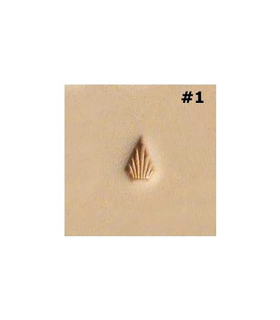
Tools and tooling specially designed to carving of figures in leather. These tools are used by embossers and craftsmanship in leather.

Carving Stamps & Dyes for Leather Carving: Patterns, Materials, and Techniques for Saddlery, Sheaths & Artisan Leathercraft

The intricate art of leather carving owes much of its professional beauty to the precise and creative use of carving stamps and dyes. These tools are at the core of transforming plain vegetable-tanned leather into textured, three-dimensional works of art—whether for heirloom-quality saddlery, collector-grade knife and sword sheaths, or premium accessories and belts. Mastering the options for stamp patterns, tool materials, correct sizing, leather preparation, and application techniques will set your work apart for its depth, clarity, and color.

What Are Carving Stamps in Leatherwork?

Carving stamps are hand-held metal tools, each with a uniquely patterned face, designed to be struck with a mallet (or pressed in a press) onto dampened leather, imprinting a distinct mark, texture, or relief. These stamps allow crafters to quickly add complexity, fill negative space, and define raised or recessed elements—moving beyond the freehand knife to create structured, repeatable effects across any leather surface.

In saddlery, carving stamps bring Western floral scrolls, basketweave, rope, geometric backgrounds, sunburst rays, and classic camouflaged borders to life. For custom sheaths, stamps offer limitless combinations—florals, animals, geometric designs, or even signature textures—that define the maker’s style and ensure professional appeal.

Types and Patterns of Carving Stamps

The variety of leather carving stamps includes:

- Bevelers: Push down the edge of a cut to give it depth, dimension, and shadow—critical for making motifs stand out.

- Backgrounders: Add texture to background areas, making the primary design pop.

- Pear shaders: Used to give volume and curve to petals, leaves, or scrolls by shading specific areas.

- Veiners & seeders: Impart lifelike detail to leaves and floral centers.

- Geometric and basketweave stamps: Cover broad spaces with regular, repeating texture, classic in belts and saddle panels.

- Camouflage stamps: Often used around the border of motifs, providing a lined or shell-like highlight.

- Specialty and 3D pictorial stamps: For animals, logos, stars, rosettes, and other unique designs.

Each type is available in various style patterns, from subtle and fine to bold and high-relief, allowing endless creative combinations tailored to the project.

Materials: Cast vs. Steel Forged Stamps

Carving stamps are manufactured using both casting and forging methods:

- Cast steel or cast brass stamps: Made by pouring molten metal into detailed molds, cast stamps are affordable and can be intricate. They are common in starter kits and for hobbyists but may lose sharpness with heavy repeated use.

- Steel-forged or CNC-machined stamps: Professionally made for high-volume, heavy-duty use, forged stamps are cut or pressed from solid steel blanks, offering superior sharpness, durability, and longevity. Forged tools maintain their defined edges even after thousands of impressions, making them ideal for production saddlery and custom shops.

Most stamps feature textured, chromed, or knurled handles for secure grip and comfort during long sessions.

Sizes: From Detail to Large-Scale Effects

Carving stamps are available in a wide range of sizes, from small (2–6mm face width) for corners, initials, wallet work, or sheath details, to medium (7–13mm) for belts, backgrounds, and scrolls, and large (14–25mm+) for saddlery panels, bag flaps, or centerpiece work. Matching the size of the stamp to the project ensures clarity, efficiency, and a harmonious look, especially when blending multiple patterns or covering expansive surfaces with a consistent effect.

Dyes: Bringing Out the Beauty in Carved Leather

Leather dyes are vital companions to carving stamps—they enhance the pattern, add color, and accentuate shadows and highlights. Alcohol-based dyes penetrate deeply for rich, lasting color, while water-based dyes offer easier blending or lighter finishes for a modern look. Antiquing gels and paste dyes are especially effective for tooled leather; they settle into the recesses, darkening the carved valleys and revealing the three-dimensional texture by contrast.

For saddlery and sheath work, dye application can be as simple as a single uniform tone, or as complex as multi-step shading, contrasting, or gradient techniques—each step amplifying the fine detail made possible by quality stamps.

How to Prepare Leather for Carving, Stamping, and Dyeing

The best results require starting with premium vegetable-tanned leather. Before stamping, the leather must be cased—moistened evenly with water and allowed to rest until the surface is cool, flexible, and just slightly darkened (not soggy). Casing relaxes the leather fibers, making them receptive to deep impressions that remain crisp after drying. Resting also ensures even absorption, which is critical for clean dye work after stamping.

Always work on a solid, non-bouncing base such as granite, marble, or a heavy bench slab. Remove all dust and debris and test stamps and dye combinations on a scrap piece before starting on your primary workpiece.

When and Where to Use Carving Stamps and Dyes in Saddlery and Sheaths

In saddlery, carving stamps are used to adorn:

- Saddle skirts, fenders, and cantle backs, where large- and medium-sized stamps rapidly cover ground or accentuate scrolls and floral panels.

- Belts, holsters, and breastcollars, where border, geometric, and basketweave patterns create high-wear, visually grippy, and beautiful surfaces.

For knife and sword sheaths, stamps make it easy to add personalized motifs, fill panels with texture, reinforce edges, or mark a maker’s brand. Antiqued dyes bring out these textures, making even subtle carvings stand strong and visible on dark or richly stained sheaths.

Other common uses include wallets, notebook covers, fashion accessories, and artisan gift items—places where pattern, color, and relief raise the perception of value and handcraftsmanship.

Tips and Best Practices for Success

- Strike each stamp vertically with a non-marring mallet for a single, crisp impression.

- Overlap geometric stamps with precision to create the illusion of continuous weave or texture.

- For backgrounds, work from the design outward to avoid over-stepping into focal elements.

- After stamping, allow the leather to dry completely before applying dye. For high contrast, use antique gel, applying it liberally then wiping off raised areas so the paste remains only in the lower stamped patterns.

- Finish the piece with a quality sealant or conditioner to protect both your carving and the dye.

Conclusion: Elevate Leatherwork with Carving Stamps and Dyes

The intelligent use of carving stamps and dyes is the secret behind every professional tooled leather piece, especially in the world of saddlery and sheath making. By exploring different stamp patterns, investing in durable materials, preparing your leather properly, and experimenting with strategic coloring, you create pieces that stand out for their beauty, resilience, and lasting character. As you experiment with new patterns and combinations, you’ll discover a world of texture and color ready to transform every hide you carve.

Read moreShow less

Menu

Settings

Create a free account to save loved items.

Sign in