

Knives

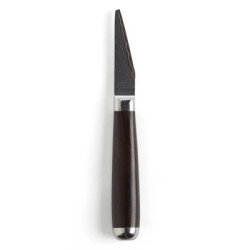


€84.80 (tax incl.)€106.00
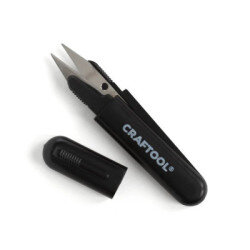
For cut and trim accurate. Inox Steel.

€32.55 (tax incl.)
Professional replaceable blade cutter. Ergonomic. Replacement blades included (6u).
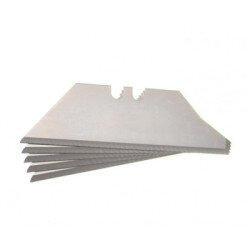
€4.85 (tax incl.)
Professional blade replacement kit, ref. 1032-T, 1076-T. Pack 5 units.

€105.60 (tax incl.)€132.00
For cut and trim accurate. Inox Steel.

€105.60 (tax incl.)€132.00
For cut and trim accurate. Inox Steel.

€45.60 (tax incl.)
Professional cutting knife, with interchangeable blades.
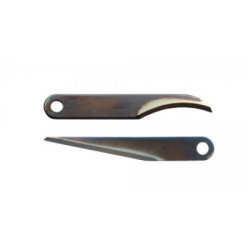
€19.60 (tax incl.)
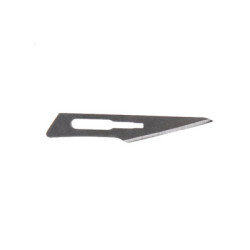
Professional knife blades replacement kit, ref. 1034-T.

€105.56 (tax incl.)€131.95
Straight edge knife for cutting leather.
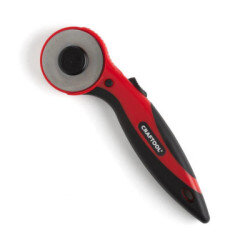

€7.32 (tax incl.)€9.15
Replacement for professional rotatory cutter, ref. 1036-T.
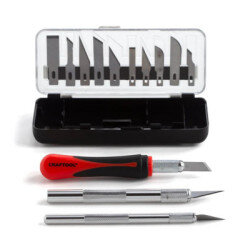
€22.55 (tax incl.)
KIT accuracy of cut, blade replaceable, scalpel knife.

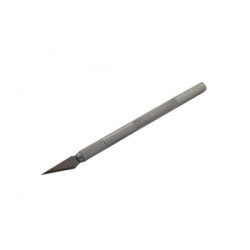
€7.65 (tax incl.)
Accuracy of cut, blade replaceable, scalpel knife.
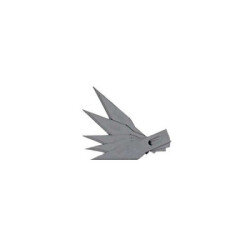
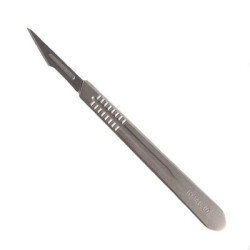
€19.85 (tax incl.)
Accuracy of cut, blade replaceable, scalpel knife.



Showing 1-27 of 27 item(s)
Different types of knives and blades, used by craftsmen and professionals for cutting leather. Knives of saddlers and artisans for cut leather.
Leather Knives: Tools for Cutting, Trimming and Skiving leather
In the realm of leather, the knife is arguably the most indispensable tool. From initial cuts to final trimming, a sharp, well-chosen knife enables artisans to shape, refine, and prepare leather with unmatched precision. Specifically in saddlery, where strength, durability, and aesthetic appeal are equally important, the selection and skillful use of leather knives are paramount. Whether creating precisely shaped saddles or meticulously skived edges for custom knife sheaths, the right knife makes all the difference.
The Core Functions of Leather Knives: Cutting, Trimming, and Skiving
Leather knives serve three primary functions: cutting, trimming, and skiving. Cutting involves slicing through the full thickness of the leather to create specific shapes or components. Trimming is the process of removing excess material or refining edges after cutting or assembly. Skiving refers to thinning the edges of leather to create smooth transitions, reduce bulk, or facilitate folding.
Each of these functions requires a different blade geometry and technique. A heavy-duty cutting knife may be ideal for slicing through thick saddle skirting, while a thin, flexible skiving knife is better suited for feathering the edges of delicate lining materials. Understanding these distinctions is crucial for selecting the right tool for the job.
Types of Leather Knives: Blade Forms, Sizes, and Materials
Leather knives come in a variety of shapes and sizes, each designed for a specific purpose. Some common types include:
Blade Straight Knives: These knives feature a straight blade and are often used for general cutting and trimming. They are available in various lengths and thicknesses, with longer, thicker blades being better suited for heavy-duty cutting and shorter, thinner blades being ideal for more delicate work.
Blade Round Knives (also known as Half-Moon Knives): These knives have a curved blade and are used for making long, sweeping cuts. The curved blade allows the user to rock the knife back and forth, creating a smooth, even cut. Round knives are often used for cutting large and thick pieces of leather.
Skiving Knives: These knives are designed for thinning the edges of leather. They typically have a thin, flexible blade that can be held at a shallow angle to the leather surface. Skiving knives are essential for creating smooth transitions and reducing bulk in areas where multiple layers of leather overlap.
The materials used to construct leather knives also vary. High-carbon steel is a popular choice for blades, as it can be hardened and tempered to maintain a sharp edge. Handles can be made from a variety of materials, including wood, bone, or synthetic materials. The choice of handle material is largely a matter of personal preference.
When and Where to Use Specific Leather Knives in leather crafts
Different leather knives are used for different tasks. Straight knives are commonly used for cutting out basic shapes, such as straps, billets, and saddle strings. Round knives are ideal for cutting out larger components, such as saddle skirts and fenders. Skiving knives are used to thin the edges of these components, allowing them to be seamlessly joined together.
Specific applications in saddlery include: Cutting out saddle skirts and fenders with a round knife, Trimming edges of straps and billets with a straight knife, Skiving edges for folding or overlapping with a skiving knife. The precise selection and use of these knives contribute significantly to the overall quality and durability of the finished saddle.
For knife and sword sheaths, skiving knives are particularly important for creating smooth, comfortable edges that won't chafe against the wearer's skin. Straight knives can be used to cut out the basic shape of the sheath, while skiving knives are used to thin the edges and create a smooth, professional finish.
Maintaining Sharpness: Honing, Stropping, and Sharpening
A sharp knife is essential for safe and efficient leatherworking. A dull knife requires more force to use, which can lead to slips and inaccurate cuts. Keeping leather knives sharp requires regular maintenance, including honing, and stropping.
Honing involves using a fine-grained stone to realign the cutting edge. Honing should be done frequently, ideally before each use. Stropping is the process of polishing the cutting edge on a leather strop. Stropping removes any burrs or imperfections from the edge, resulting in a smoother, sharper cut. Sharpening is the process of removing material from the blade to create a new cutting edge. Sharpening should be done when honing and stropping are no longer sufficient to maintain a sharp edge.
The frequency with which a leather knife needs to be sharpened depends on the type of leather being cut and the frequency of use. As a general rule, leather knives should be sharpened whenever they start to feel dull or require excessive force to use.
How to Use Leather Knives Effectively and Safely
To use leather knives effectively and safely, it is important to follow a few basic guidelines: Always use a sharp knife, Cut away from your body, Use a cutting board or other protective surface, Keep your fingers out of the path of the blade, Store knives safely when not in use.
With practice and patience, leatherworkers can develop the skills necessary to use leather knives with precision and confidence. Whether cutting out patterns, trimming delicate edges, or skiving leather for seamless joining, the knife is an indispensable tool for creating high-quality leather goods.
Conclusion: Elevating Leathercraft with Precision Knives
Leather knives are more than just tools; they are extensions of the artisan's hand, enabling them to transform raw hides into functional and beautiful objects. By understanding the different types of leather knives, mastering the techniques for using them, and maintaining them with care, leatherworkers can elevate the quality of their work and create pieces that will last for generations. Whether crafting robust saddlery components or refining the details of custom sheaths, the knife remains the quintessential tool for those who seek precision and excellence in their craft.