€13.25 (tax incl.)
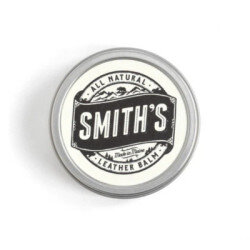
100% natural, made of bees wax, almond oil and cocoa butter. Apply on dry and clean leatherby hand or with a cloth, may darken slightly, usually fades in 1 day (better test in a hidden area). Repeat as need. Not...
Products that condition and prepare skins to work on them, such as facilitating the embossing, or tinted. Also make some finishes.
The use of leather conditioners is the base of lasting quality in both traditional saddlery and modern artisan leatherwork. Conditioning not only brings out the natural beauty and suppleness of leather, but also offers protection against dryness, wear, environmental exposure and time. Whether you're caring for a beloved saddle, crafting functional horse tack, or working artistic leather projects, understanding when, where, and how to use the right conditioner is crucial. Specific formulas support tasks as varied as deep conservation, edge finishing, carving, and dye preparation, making conditioners one of the most adaptable and indispensable products in the field of leathercraft.
Conservation conditioners are formulated to replenish the natural oils lost in leather over time, combat dryness, restore flexibility, and provide a barrier against moisture and UV damage. They typically use natural fats (such as neatsfoot oil, lanolin, or mink oil), as well as beeswax, carnauba wax, and botanical extracts. Used in saddlery, these conditioners are a first defense against the cracking and rigidity that can impact working saddles, reins, bridles, harnesses, riding boots, and heritage pieces alike.
For valuable saddlery or antique leather, it’s important to select a pH-balanced conditioner free from harsh solvents that might alter original dyes or fine engraving. Ideal application involves cleaning the leather first, then massaging a moderate amount of conditioner in slow, circular motions with a soft cloth. After allowing absorption, any excess is gently buffed away. For high-use equestrian tack, this ritual is often performed every few weeks for optimal elasticity and strength. As a result, well-conditioned leather remains pliable, resists mildew, and retains a deep, lustrous finish that lasts for generations.
The burnishing, or edge-finishing, of leather is a hallmark of premium craftsmanship. Burnishing conditioners are used specifically on cut edges and seams, where the leather is vulnerable to fraying and moisture. These products usually contain a blend of waxes, natural gums, and light oils: applied to the edge, they lubricate and prepare the leather fibers for mechanical friction, which creates a polished, compacted border.
In saddlery, edge burnishing is a must for straps, stirrup leathers, fender edges, saddle skirts, and any component that faces repetitive movement or abrasion. As the conditioner is worked over the edge—often with a hand burnisher or rotary tool—it deepens color, closes the pores, and seals the leather, making it more resilient to sweat and environmental exposure. The result is a glossy, professional finish that both protects and beautifies, reinforcing key stress points in saddlery construction.
To achieve the crisp lines and flowing depth of carved leather, the surface must be conditioned to the right level of moisture and suppleness. Conditioners for carving (sometimes called casing solutions) are typically formulated to hydrate and temporarily soften the leather, allowing it to take deep, sharp impressions from carving, stamping, and embossing tools.
These conditioners often use a water base, blended with gentle emulsifiers and natural oils that permeate the hide without saturating it. The key is consistency: evenly moist leather flexes under pressure, creating clean, durable patterns while preventing tearing at the edges of designs. In saddlery, decoration on cantles, skirt corners, fenders, or breastcollars benefits from this preparation, enabling ornate flourishes without sacrificing durability. Proper casing with conditioner allows for extended working time and a superior finish in decorative saddlery.
The art of dyeing leather demands a surface that is clean, open-pored, and evenly receptive to pigment. Conditioners designed to prep for dye (often called dye prep) are light, residue-free solutions that gently clean, soften, and deglaze the surface of the leather. Their goal is to encourage uniform absorption of dye, preventing blotchy or uneven color while ensuring depth and vibrancy.
When producing saddlery, dog collars, belts or wallets destined for custom hues, diligent application of a dye prep conditioner after cleaning is essential. This not only supports deeper dye penetration, but also makes the final topcoat more durable. For projects that require weather resistance and colorfastness, like outdoor saddlery and working tack, proper conditioning for dye is a step that cannot be skipped for professional results.
With such a wide range of leather varieties—vegetable-tanned, chrome-tanned, exotics, suedes, nubuck, and patent—there are both all-purpose conditioners and specialized formulas available. All-purpose conditioners are useful for maintaining everyday leather goods with one-step hydration, polish, and surface protection; however, artisan and high-performance work often benefits from dedicated products.
Water-repellent conditioners, for example, incorporate advanced silicones or waxes, making them indispensable for saddles, breastcollars, and outdoor riding gear exposed to rain or sweat. Conditioners enhanced with UV inhibitors are popular for horse tack and carriage leather used in strong sunlight. Formulations designed for exotic leathers or soft finishes ensure gentle conditioning that won't darken or harden delicate hides. The versatility of modern conditioners allows every craftsman and rider to match the product to their environment and need.
Effective application of leather conditioners is as crucial as product selection. Begin with a thoroughly cleaned item, free of dust and residues. Conditioners are usually applied with soft, lint-free cloths or sponges, using circular motions to encourage even penetration. For saddlery, different parts—seat, flaps, billets, straps—may require varying amounts of conditioner, depending on thickness and prior use.
On intricate carvings, edges, or recessed areas, soft brushes or cotton swabs are employed to work conditioner into every contour. Allow sufficient time for absorption, especially on dry or neglected leather, and gently remove excess to avoid a sticky buildup. In some cases—particularly with antique restoration or after intensive use—multiple applications spaced out over hours or days yield the best results. The goal is supple, resilient leather, never greasy or oversaturated.
In saddlery, the condition of the leather directly impacts the safety, comfort, and performance of both horse and rider. Consistent conditioning maintains the flexibility and strength of critical components: saddles, stirrup leathers, headstalls, harnesses, and girths. Properly conditioned leather bends without cracking, resists sweat and weather, and remains comfortable against both skin and equine fur.
Leather that is neglected becomes brittle, dull, or prone to structural failure—a risk unacceptable in equestrian environments. Additionally, conditioners that include mold inhibitors or odor control are valued in shared barns, while those with natural aromas are preferred by purists seeking authenticity and comfort. The finest saddlery—whether classic or contemporary—displays deep color, natural sheen, and an unmistakable feeling of resilience, all thanks to regular, intelligent conditioning.
The selection of a leather conditioner should always be tailored to the leather type, use conditions, and the visual result desired. Testing in an inconspicuous area first is advised, as some conditioners may darken or change the tone of certain leathers. Store conditioners in sealed, opaque containers away from heat or direct sunlight to preserve their active ingredients and prevent spoilage.
Always check product labels for ingredients if the conditioned leather will be in contact with animals, children, or sensitive skin. A fresh, high-quality conditioner—stored and used properly—ensures that leather retains its characteristic scent, feel, color, and durability. In both saddlery and artisan leatherwork, thoughtful conditioning is an investment that pays ongoing dividends in usability and beauty.
Mastery of leather conditioning distinguishes the skilled leatherworker and talented saddler alike. From utilitarian belts to heirloom saddles, it is the correct use of conditioners that ensures each piece endures, excels, and grows in character. Understanding the distinctions—between conservation, burnishing, carving, dye preparation, and finishing—guarantees that every leather project, whether destined for the field, the arena, or display, achieves its fullest potential. In the pursuit of durability, artistry, and tradition, conditioners are a true cornerstone—uniting the science of material conservation with the soul of artisan craft.
Please sign in first.
Sign in
Create a free account to save loved items.
Sign in