

Hardware
Subcategories
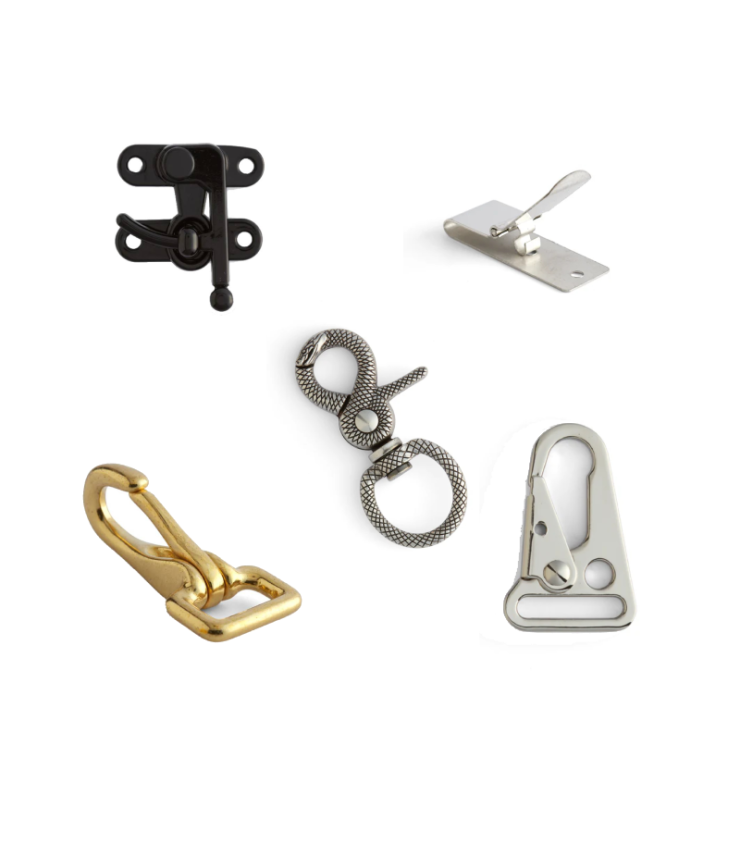
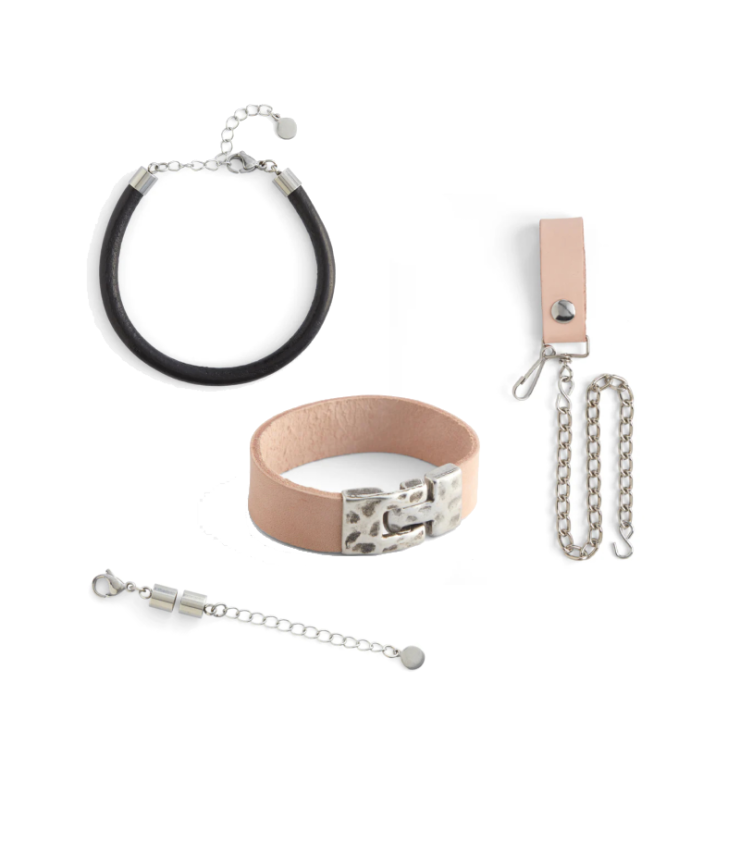
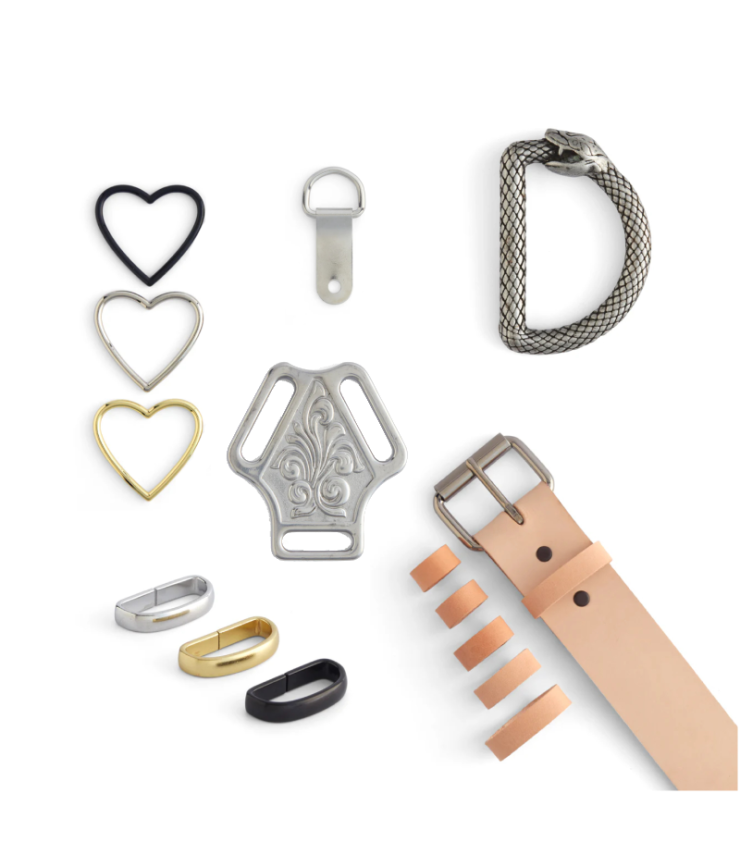
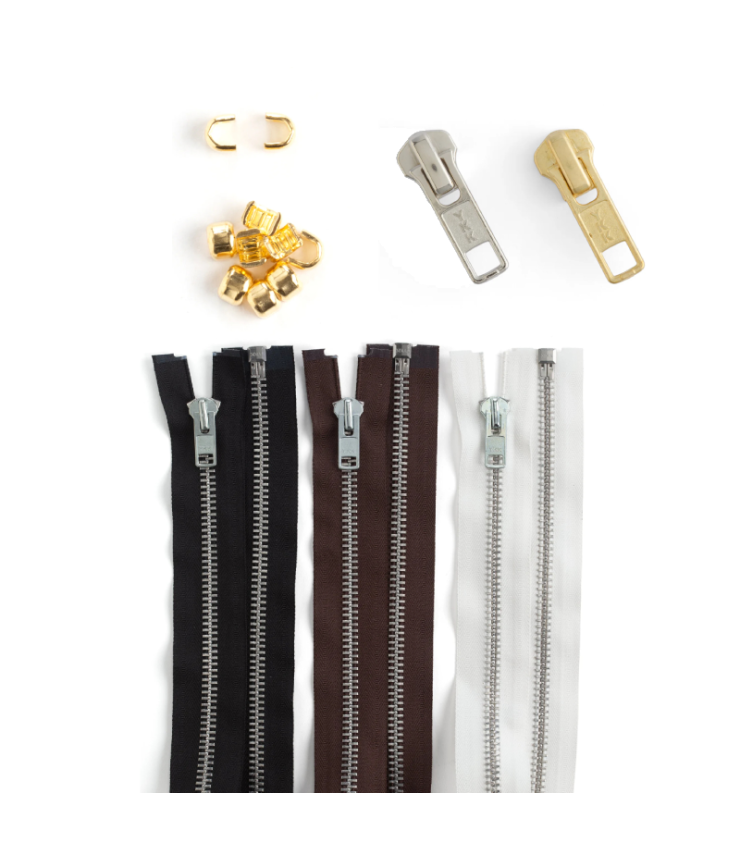


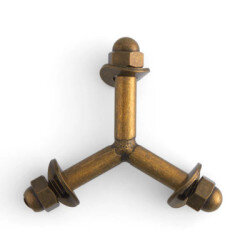
€17.18 (tax incl.)
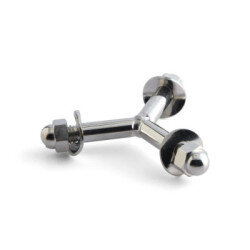
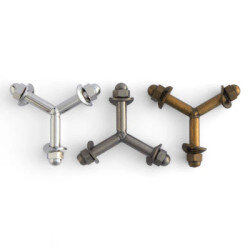
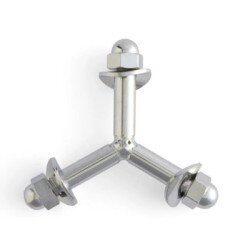
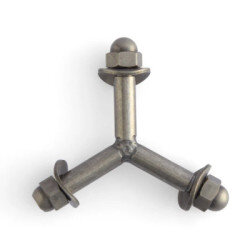
Bolt for make tri-leg stool, for wooden legs from 22 to 28 mm diameter.


€5.95 (tax incl.)
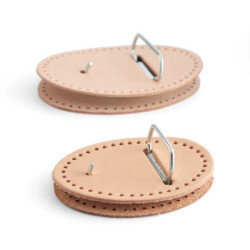
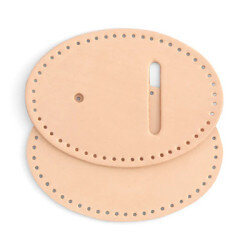
Especially for Kydex and leather, avoid the post spinning when its need it on sheaths and holsters. Post size 6 mm Pack of 4


€7.25 (tax incl.)
For boots and shoes, ideal for new works and repairs. Size: 17 x 10 mm, 5 mm rivet hole, 6 mm hook size. Pack 10.


€15.85 (tax incl.)
Make a hole with an awl or a chisel, insert the two prongs and bend them down against the leather. Easy to make belt keepers, belt straps. Pack 100. Size: 10x5mm


Showing 337-346 of 346 item(s)
All kinds of consumables and hardware used in sheaths of leather or kydex. Also for all kinds of crafts and leather works.
Leather Hardware for Sheath Making: Components for Knives, Tactical Gear and Saddlery
The tradition of pairing steel with leather endures in modern knife making, tactical equipment, and classic saddlery. Beyond rawhide and tooling, the mastery of leather hardware (bolts, conchos, snaps, rivets, buckles, zippers, rings, loops, clasps, chains, and eyelets), enables artisans to craft secure, functional, and visually captivating sheaths for knives and swords. These components form the skeleton of every high-performance leather product, ensuring protection, enrichment, and long-term reliability. Whether assembling an elegant bushcraft sheath, tactical carry rig, or a piece of heritage saddlery, the balance of hardware selection, process, and materials marks the line between the ordinary and the truly exceptional.
The Foundation of Durability: Bolts and Rivets in Sheath Construction
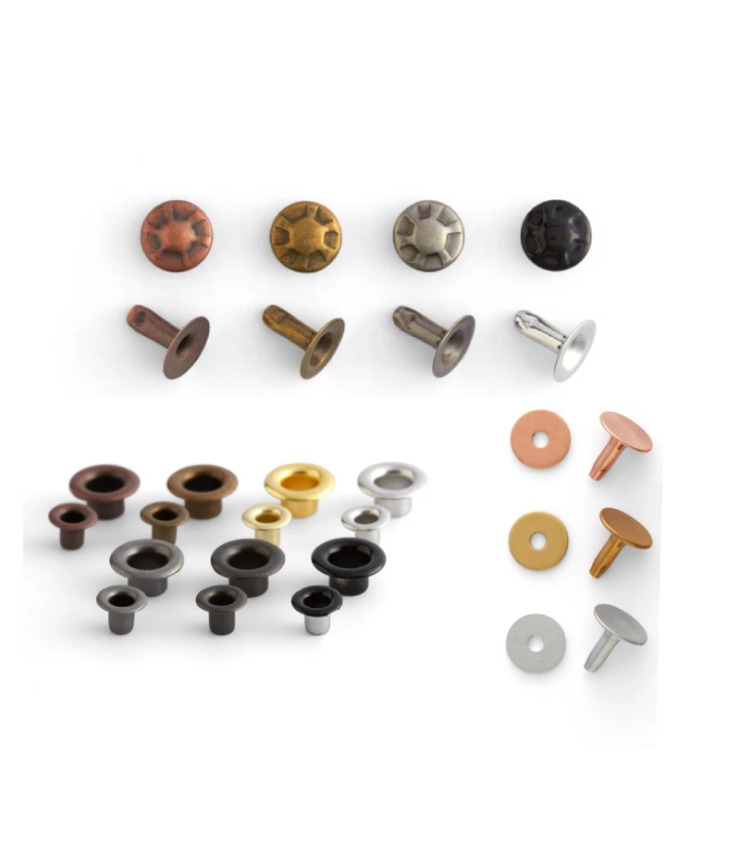
In the realm of sheath making, enduring strength and refined finish are inseparable. At the heart of structural integrity are bolts and rivets, indispensable for reinforcing stress points, anchoring belt loops, and lending durability to layered constructions. Bolts (especially Chicago screws and binding posts) allow for not only a permanent mechanical bond but also the option to disassemble a sheath for deep cleaning or modular leatherwork upgrades. Their presence is common in tactical and field sheaths where replacement or reconfiguration is valued by outdoor users and military personnel. Rivets, varying from solid copper to decorative brass and steel options, offer a sleek, nearly flush finish that resists shearing forces, perfect for welted or double-stitched seams. When properly set with a dedicated press or hand tools, rivets provide both an aesthetic accent and resilient reinforcement, crucial for sheaths meant for heavy use, urban carry, or backcountry expeditions. Material choice is as essential as technique; rust-resistant hardware scores highest in lasting appearance and function, while decorative heads add custom flair.
Conchos and Decorative Hardware: Legacy and Elegance for Custom Leatherwork
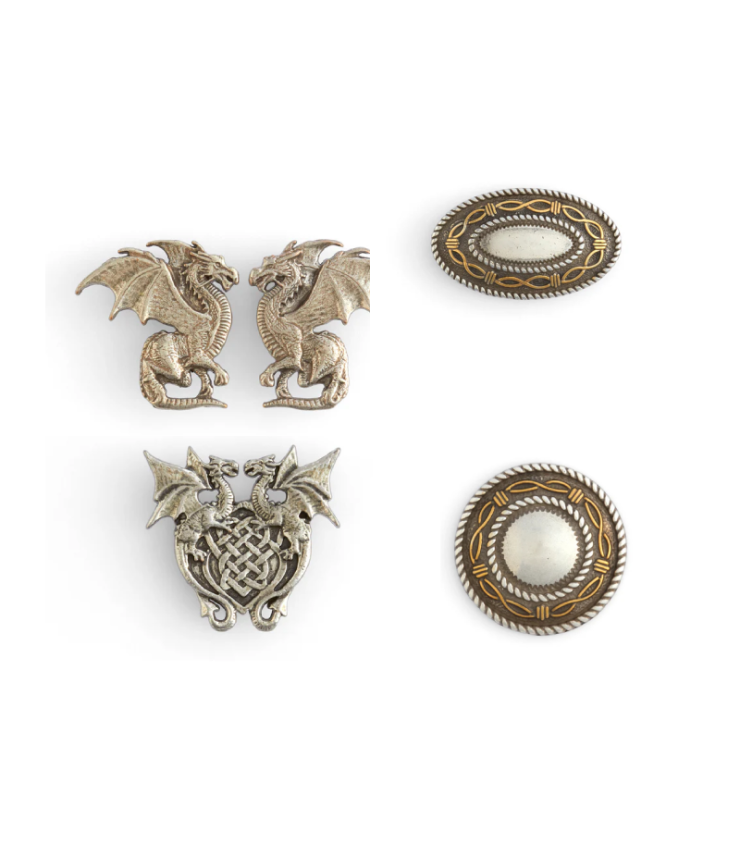
The art of sheath making often expresses itself in the fine detail of conchos and ornamental rivet heads. Stemming from western saddlery and cowboy culture, conchos are now beloved around the globe as iconic adornments for custom sheaths and scabbards. Whether in sterling silver, nickel-plated brass, or even hand-engraved bronze, each concho brings rich textural contrast and distinguished identity to leather goods. Makers frequently set these at strategic points on the sheath or belt loop, sometimes integrating them into strap closures for a seamless look. For presentation-grade or commemorative blades, a well-chosen concho is as much a signature as a maker’s mark. Coupled with inlaid gemstones or filigree stamping, decorative hardware merges utility with tradition, elevating the humble sheath into a piece of personalized artistry fit for display or daily use.
Snaps, Buckles, and Closures: Security Meets Accessibility
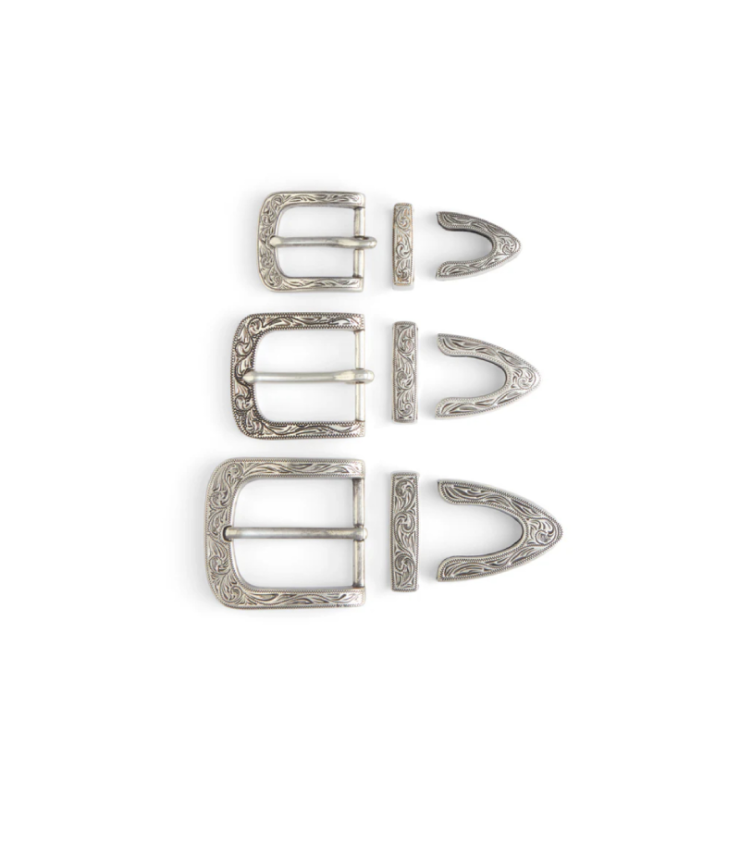
The functional heart of every carrying solution is closure hardware. Snaps ensure a quick, confident closure, ideal for securing knife handles and sword hilts against accidental withdrawal. Their tactile, audible engagement provides peace of mind for field users and collectors alike. Snaps come in single- and double-cap designs and are typically made of brass or nickel-plated steel for optimal resistance to tarnish and wear. Buckles introduce adjustability, essential for belt gear, harnesses, or custom rigging; their robust design ensures longevity in rugged backcountry or tactical conditions. Options range from classic roller buckles to streamlined wire buckles for minimal bulk. Even the humble zipper finds its place in some modern sheaths or gear pouches, offering both rapid access and weather protection when made from corrosion-resistant alloys or reinforced nylon.
Rings, Loops, and Modular Attachment Points in Tactical Leatherwork
The ability to adapt, attach, and customize carry systems distinguishes modern tactical gear from traditional forms. Here, rings, loops, D-rings, and mounting points take center stage. D-rings and O-rings, in stainless steel or brass, are frequently used to anchor straps, lanyards, or leg ties, enhancing security during dynamic movement or in equestrian rigging for saddle bags and holsters. Leather loops (single or double) are hand-stitched or riveted for belt attachments and retention straps. Their design enables the addition of accessories, pouches, or even paracord, supporting the multi-mission needs of tactical operators and outdoor enthusiasts. Clasps and swivel clips bring an added layer of functionality, supporting detachable configurations or rapid-access needs common in modern field or professional scenarios. These attachment solutions ensure every sheath or gear setup can adapt to its user’s changing requirements, enhancing versatility and long-term satisfaction.
Chains and Eyelets: Bridging Function and Flair
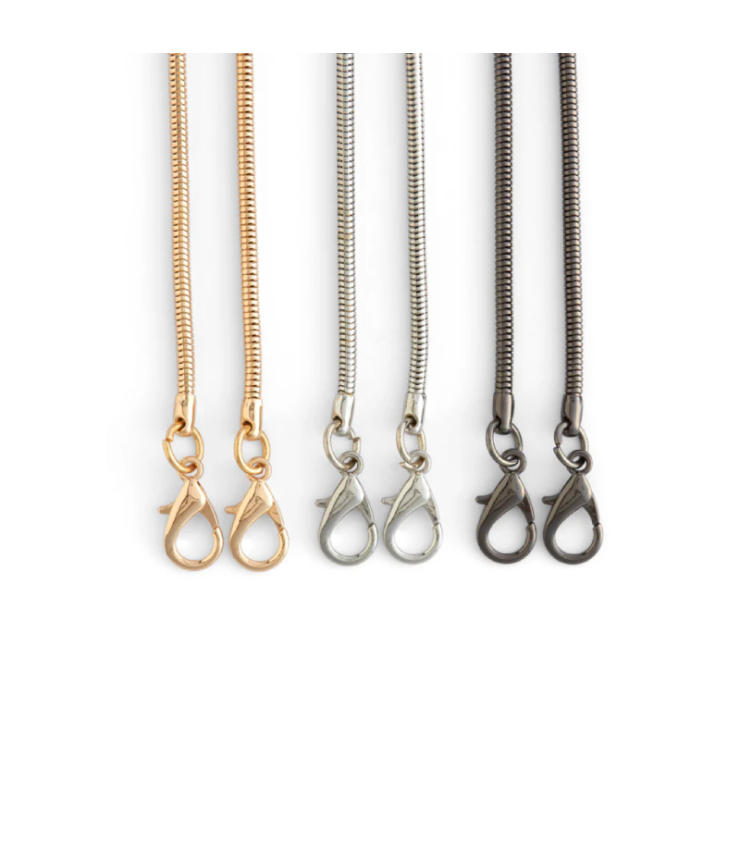
Sometimes overlooked, chains and eyelets inject both practical utility and eye-catching detail into leatherwork. Fine or medium-gauge chains are especially popular in neck knife sheaths or as part of urbane, concealed-carry solutions. They provide secure and discreet carry while contributing a unique stylistic signature. Eyelets, meanwhile, combine form and function by reinforcing holes for laces, paracord wrap, or drawstrings. Commonly constructed from brass, copper, or steel, grommeted eyelets prevent tearing in high-stress zones of sheaths, scabbards, and saddle accessories, ensuring long-term durability through repeated use and exposure. Properly set using specialist tools, eyelets maintain a refined aesthetic profile and are critical in tactical gear where adaptability and abrasion resistance are priorities.
Material Choices in Leather and Hardware: The Basis of Quality and Longevity
The bond between leather quality and hardware material is foundational to crafting sheaths, tactical equipment, and saddlery that lasts generations. The best makers source vegetable-tanned cowhide for its balance of strength, flexibility, and ability to hold dyes and finishes. For hardware, choices are determined by both aesthetics and exposure: solid brass and stainless steel dominate in corrosion resistance, while nickel and matte-black finishes offer stealth and stylistic variation. Each hardware component must be evaluated not only for visual effect but also its ability to withstand environmental hazards (moisture, chemicals, abrasion), common in field or military use. Selecting compatible leathers and hardware ensures that structural integrity and beauty are never at odds, but rather enhance one another.
Saddlery Skills: Process and Craft in Leather Hardware Integration
In the context of saddlery work, the integration of leather hardware is a blend of precision craft and hard-won technique. The process begins with thoughtful pattern-making and cutting—using templates matched to the knife or tactical tool. Edges are beveled and slicked for smoothness, and holes are marked using specialized spacing wheels and punches. Hardware installation, from rivets and bolts to snaps, rings, and buckles, is performed with professional setters and presses to guarantee flush balance and enduring grip. Artistic touches include the application of conchos and embossed stamps, connecting the finished piece to a distinctive tradition or brand. Threaded hardware allows for modular repairs and the replacement of straps or attachments, critical in field and rescue scenarios. Saddlery-trained artisans understand the importance of marrying hardware function with ergonomic design, balancing comfort, accessibility, and load-bearing performance across every sheath or tack element.
Finishing Touches and Quality Assurance in Hardware Assembly
The final steps of professional sheath and saddlery hardware assembly involve rigorous inspection and repetitive hand-finishing. All installed hardware is tested for alignment, snugness, and reliable operation. Rivets, snaps, and eyelets are checked for even setting and freedom from sharp edges; bolts and screws are snugged to the ideal torque without distorting surrounding leather. Conditioners and balms nourish the hide, while clear sealants or edge paints protect exposed grain and maintain a premium appearance. A hallmark of expert work is the subtle integration of hardware, functionally robust yet never detracting from the sheath’s natural elegance. For gear intended for tactical deployment or rugged field performance, quality assurance procedures may include flex tests, immersion, and repeated opening/closing to ensure hardware longevity. The best pieces pass from hand to user with confidence that every detail, visible or hidden, meets the highest standard of modern leathercraft.
The Impact of Thoughtful Hardware Selection on Knife, Tactical, and Saddlery Gear
Ultimately, the true value of leather hardware in sheath making is revealed over years of faithful service and daily use. The right combination of bolts, conchos, snaps, rivets, buckles, and accessory hardware translates directly into reliability, comfort, and a legacy of personal or professional pride. For knife makers and saddlers, investing in premium components and mastering the time-honored processes of selection, installation, and finishing sets their work apart in a crowded and discerning market. As the demands of tactical and field conditions evolve, so too does the world of leather hardware, embracing new functions, refinements, and styles, yet always anchored by the same dedication to long-lasting performance and timeless beauty.