
Click for more products.
No produts were found.

Products Leather

Showing 13-24 of 489 item(s)

Products and chemicals, professional for leather. For artisans, saddlers and leather professionals, to make sheaths. Finished professionals to make covers. Threads, rivets, eyelets, dyes, adhesives, protective patinas, wax.

Leather Supplies for Sheaths, Scabbards & Leather Goods: The Complete Guide for Knifemaking and Saddlery

The marriage of steel and leather is a tradition as old as blades themselves. Whether crafting custom knife sheaths, elegant sword scabbards, or refined saddlery goods, the selection of leather supplies—hardware, chemicals, materials, and tools—directly influences both function and artistry. For knife makers, swordsmiths, and leatherworkers, mastery of these elements means producing gear that both endures and delights. Explore this in-depth guide to the most essential leatherwork supplies, processes, and finishing insights for modern and traditional makers.

Essential Leather Hardware: Bolts, Buckles, Snaps & More

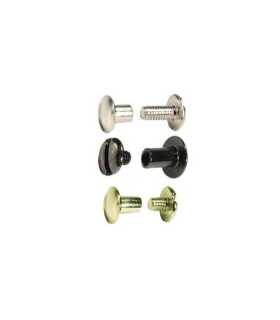
The dependability of leather sheaths, scabbards, and saddlery rests not just on the quality of leather but also on the specialized hardware that brings each project together. Bolts secure layers or attachments, providing critical holding strength for belt loops and straps. Decorative conchos add visual distinction, invoking heritage influences in both functional and exhibition-grade goods. Snaps are favored for their convenience and reliability in closures—keeping knives and swords safe yet instantly accessible. Rivets reinforce high-stress areas, while buckles accommodate adjustable fit in belts and harness work for both everyday carrying and equestrian applications. Zippers (zips) make contemporary sheaths and pouches secure, matching modern users’ demands. Rings, loops, and D-rings enable modularity, allowing for attachments or custom carry. Exquisite clasps, chains, and decorative eyelets infuse refined style and extra durability—vital in parade gear, presentation scabbards, and artisan saddlery. Each component is chosen for its alloy, finish, and functional rating, with stainless, brass, and nickel plating the standards for lasting performance and visual harmony.

Leatherworking Chemicals: Dyes, Glues, Conditioners & Iconic Brands

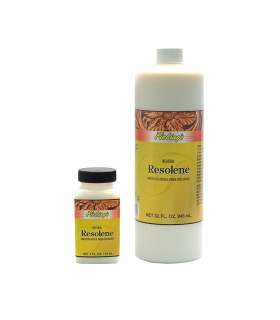
The surface of leather is a blank canvas for finishes that protect, enhance, and individualize. Dyes are foundational for coloring hides, available in alcohol, water, and oil bases. Each produces distinct saturation and depth, impacting everything from natural patinas on sheaths to bold hues on showpiece scabbards. Premium Angelus and Fiebing's are iconic brands, prized for consistency and dynamic color ranges that resist fading over time. Leather glues—including water-based cements, contact adhesives, and flexible specialty formulations—provide robust, invisible bonds between layers, crucial for edge construction, linings, or hybrid leather and synthetic assemblies. Conditioners and balms, fortified with waxes, lanolin, and oils, are used throughout and after crafting to nourish fibers, impart flexibility, and shield from environmental wear. The right combination of these chemicals extends the lifespan of sheaths and saddlery, preserves softness, and prevents cracking, leaving both new and restored items functional and beautiful. Finishing sealers add an extra layer of protection, locking in dyes and enhancing weather resistance while maintaining the tactile feel coveted by leather enthusiasts.

Leather Types and Material Selection for Sheaths and Saddlery

The foundation of every exceptional sheath, scabbard, or saddle-related good is the carefully chosen leather material. Vegetable-tanned cowhide is revered for its workability, coloration potential, and strength, making it the standard for knife and sword sheaths. Heavier weights provide structure, while thinner splits serve as lining or for more detailed work. Exotic leathers—such as sharkskin, lizard, ostrich, or stingray—are used to add prestige and resilience, particularly in decorative panels or inlays for both blades and tack. For saddlery, bridle leather ensures a supple yet robust base, essential for enduring the demands of equestrian life. Meticulous grading—free of blemishes, even in thickness and grain—effectively predicts the longevity and quality of the finished product. The choice of material dictates the tools, adhesives, and dyes used, as differing tannages react distinctly in both crafting and finishing phases. A comprehensive workshop is stocked with an array of leather types tailored to the specific demands of each project, blending traditional wisdom with innovative material science.

Working Processes: Crafting Sheaths, Scabbards, and Leather Goods

Transforming raw leather and hardware into a finished good is a multi-stage art. Pattern design marks the first step, measured to fit precisely around the blade, handle, or saddle element, ensuring both functionality and aesthetic appeal. Marking, cutting, and skiving tools guarantee clean, accurate edges and snug fitment. Stitching is carried out with durable waxed threads, using pricking irons or chisels for uniform spacing. Riveting and snap-setting supplies fasten hardware, and edge bevelers and slickers create smooth, water-resistant borders. Application of dyes and finishes is accomplished with wool daubers, airbrushes, or sponge, always followed by conditioning to prevent drying or stiffness. Assembly is finalized by setting hardware components—whether snap buttons, rings, or decorative conchos—using dedicated hand presses or setting punches. Hand embossing and stamping tools further personalize the item, and burnishers lend a professional, glass-smooth edge. In saddlery, additional hardware and reinforcement techniques ensure function and safety for horse and rider alike, harmonizing tradition with practical modern needs.

Key Tools for Professional Leathercraft

The quality of finished leather sheaths, scabbards, and saddlery goods is intimately tied to the tools deployed at every step. Edge bevelers, skivers, and round knives shape blank leather with remarkable accuracy, while precision awls guarantee crisp, straight stitch lines. Heavy-duty hole punches and rotary cutters handle everything from eyelet setting to decorative cutouts. Leather lacing and braiding tools create intricate straps and borders, adding not only functionality but also unmistakable artistry. Burnishing implements—manual or power-driven—bring a rich sheen and smoothness to exposed edges, vital for both durability and tactile pleasure. Clamp sets, strap cutters, mallets, and hardware setters streamline assembly and finishing, while measuring and scribing devices ensure that every creation fits perfectly around its steel counterpart or equestrian gear. For crafters aiming for the highest standards, professional-grade tooling is not optional but essential to achieve consistent, repeatable, and exquisite results in every project.

Integrating Leather Goods with Knifemaking and Swordsmithing

The intersection of leathercraft and bladesmithing yields results that transcend mere function, offering secure protection, showcase presentation, and elevated aesthetics for every blade and riding accessory. Sheaths and scabbards not only shield sharp edges but also express the maker’s unique style, telling a story through dyed finishes, decorative hardware, and perfectly matched leather hues. For specialized knife and sword uses—such as hunting, tactical, or ceremonial—the correct blend of hardware, chemical finishes, and structural design ensures that every piece delivers in both form and performance. Saddlery, meanwhile, brings these same standards to the world of horses and riders, transforming leather, hardware, and finishing materials into the legacy of equestrian tradition and excellence.

Read moreShow less

Menu

Settings

Create a free account to save loved items.

Sign in