€185.13 (tax incl.)
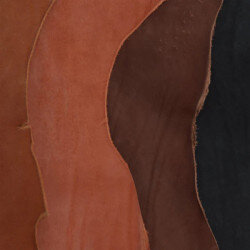
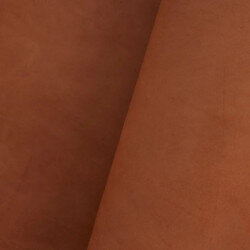
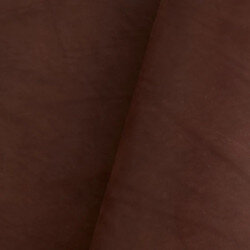
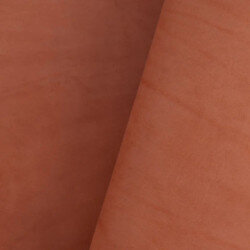
A half cowhide, tanned for tooling, embossing and molding. Good quality - price for any saddlery works. Weight-Thickness may vary due is not splitted, from 10-17 oz (4 - 7.5 mm) across the piece. Veg-tan leather. *On...
Represent an economical and practical choice for crafting knife sheaths, scabbards, and gear cases. These pre-cut portions of hide offer distinct advantages for both beginners and experienced saddlers, providing quality material at a more accessible price point than full hides. When working with sides, craftsmen benefit from more manageable sizes while maintaining the essential characteristics needed for durable tactical equipment. Sides provide excellent versatility but may include areas of varying thickness and quality. Experienced crafters often map out their cutting patterns to maximize the use of premium sections while reserving lesser areas for internal components or non-critical parts. This strategic approach ensures efficient material usage while maintaining product quality.
Often overlooked by novice craftsmen, present unique opportunities for smaller projects and decorative elements. This portion of the hide, taken from the animal's underside, typically offers softer, more pliable material ideal for pouches and flexible components. While bellies may have more stretch and looser fiber structure than other cuts, skilled artisans can utilize these properties to their advantage, particularly in projects requiring formed or curved surfaces.
The bend portion of the hide stands as perhaps the most prized cut for serious leather workers crafting knife sheaths and scabbards. This section, taken from the animal's back and running along the spine, provides the densest fiber structure and most consistent thickness. These characteristics make bends particularly suitable for items requiring rigidity and durability, such as tactical knife sheaths and protective gear cases.
Offer a versatile middle ground between premium bend cuts and more economical bellies. This portion of the hide provides good strength and durability while often being more affordable than prime back leather. Shoulder cuts work exceptionally well for medium-sized projects like standard knife sheaths and modest gear cases, where maximum density isn't critical but good durability remains essential.
Working with these specific cuts requires understanding their individual characteristics and limitations.
Consideration must be given to the specific requirements of each project. Knife sheaths demand particular attention to thickness and density, making bend sections ideal for the main body while incorporating belly cuts for welts or internal components. This combination maximizes both quality and economy, allowing craftsmen to deliver superior products without unnecessary material costs.
The economical advantages of working with partial hide cuts extend beyond mere cost savings. These smaller sections prove easier to store, handle, and process than full hides. Additionally, working with varied cuts allows craftsmen to maintain a diverse stock of materials without requiring significant storage space or initial investment. This flexibility particularly benefits small workshop operations and individual artisans.
Within each cut type proves crucial for successful project outcomes. Premium grade bends command higher prices but deliver superior performance for demanding applications. Meanwhile, lower-grade bellies and shoulders might serve perfectly well for practice pieces or non-critical components. This gradation system allows craftsmen to match material quality to project requirements effectively.
Temperature and humidity considerations affect different leather cuts in varying ways. Bend sections typically demonstrate better stability across environmental conditions, while belly cuts may show more pronounced responses to moisture and temperature changes. Understanding these characteristics helps craftsmen select appropriate materials for specific use cases and environments.
Professional leather crafters often develop relationships with suppliers who understand their specific needs regarding cut types and qualities. This partnership ensures access to consistent materials while often providing cost advantages through bulk purchasing or preferred customer arrangements. Regular suppliers can also alert crafters to particularly good lots or special purchases that match their requirements.
The finishing requirements vary significantly between different leather cuts. Bend sections typically accept tooling and finishing well, while belly sections might require additional preparation or different techniques to achieve desired results. Understanding these variations helps craftsmen plan appropriate finishing processes for each project component.
Requires attention to specific characteristics of each type. Bend sections should be stored flat to maintain their natural stability, while more flexible cuts like bellies can tolerate rolled storage when space demands. All cuts benefit from proper environmental controls regarding temperature and humidity, though some prove more forgiving than others.
Conclusions
Project planning should account for the natural characteristics of different leather cuts. Bend sections excel in applications requiring straight, firm panels, while belly sections might better serve curved or wrapped components. Shoulder cuts often provide good compromises for general-purpose applications. Understanding these strengths allows craftsmen to optimize material usage while maintaining product quality.
The heritage of leather working with various hide cuts stretches back centuries, with traditional craftsmen developing techniques specific to each type. Modern makers benefit from this accumulated knowledge while incorporating contemporary tools and methods. This blend of traditional understanding and modern technique produces superior results in tactical leather goods manufacturing.
Please sign in first.
Sign in
Create a free account to save loved items.
Sign in