

Leather
Subcategories
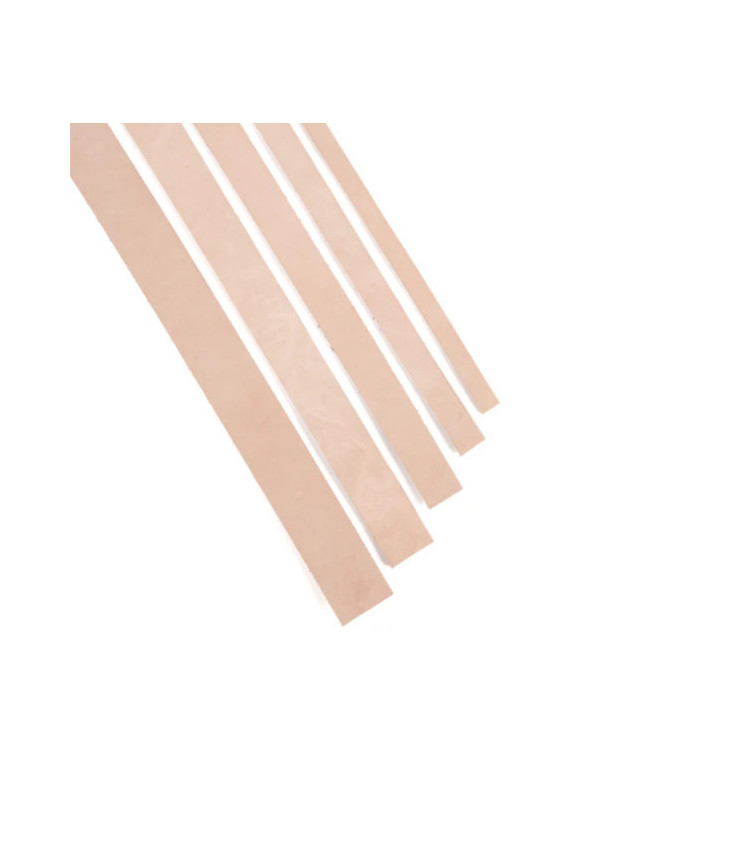
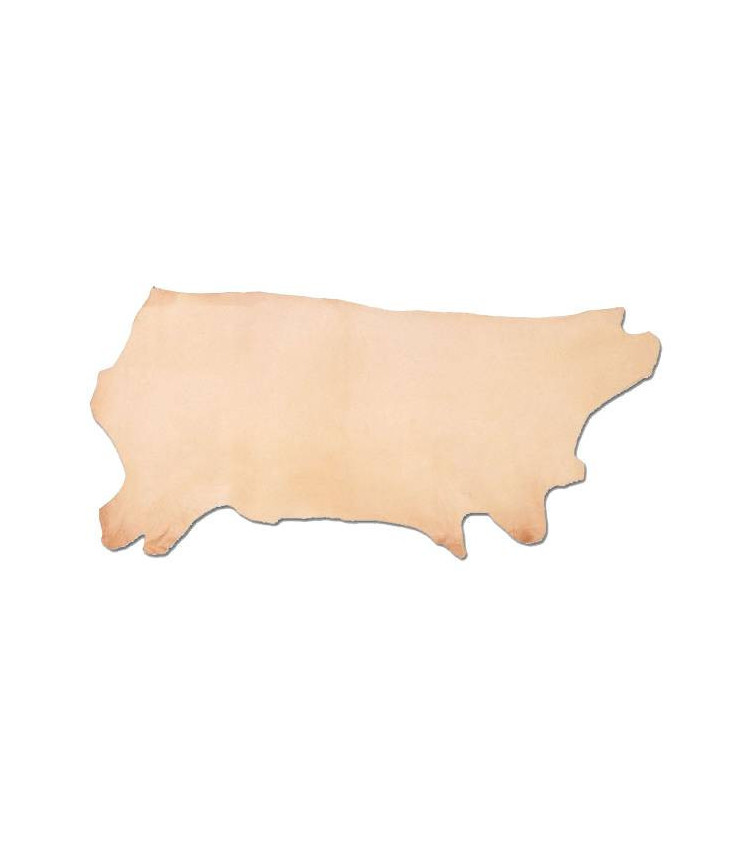
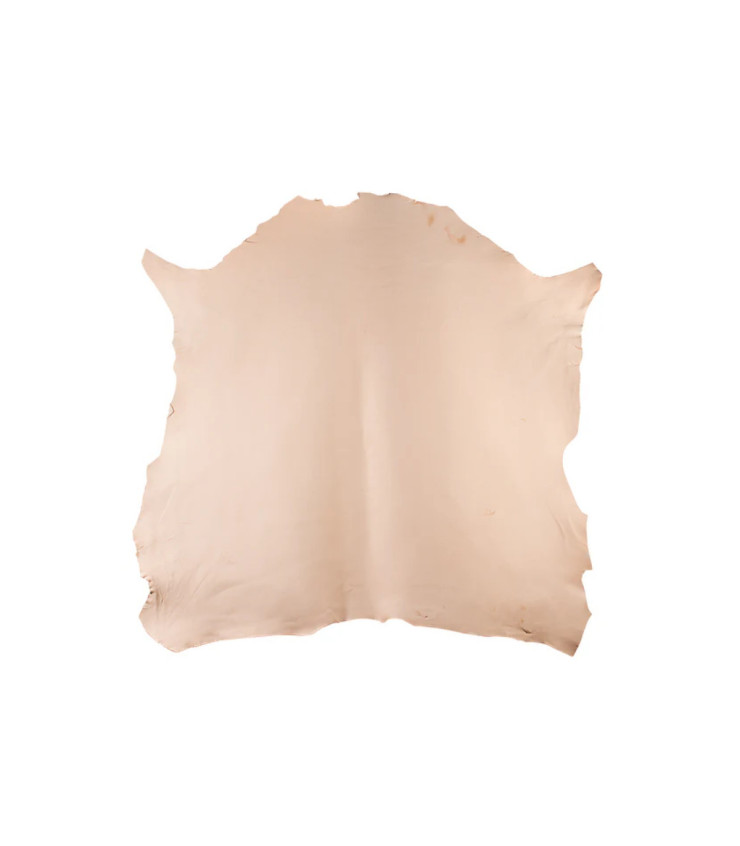
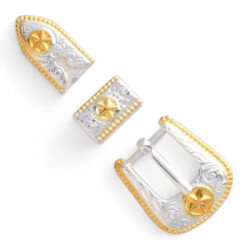
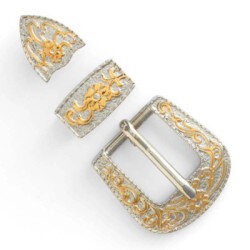
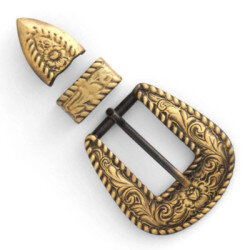
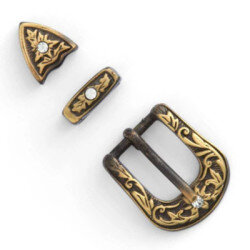
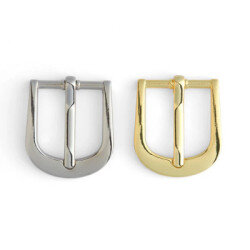
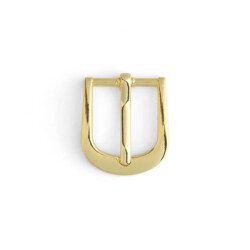
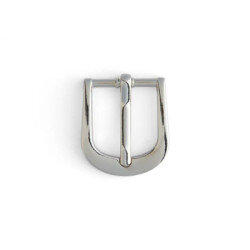
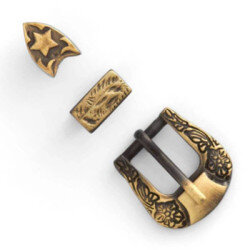

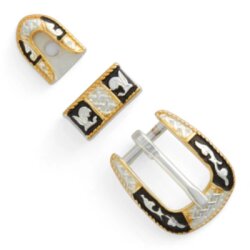
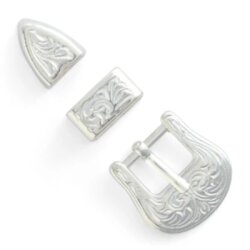
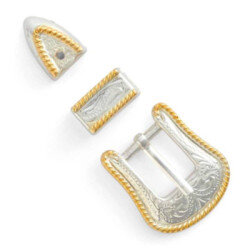
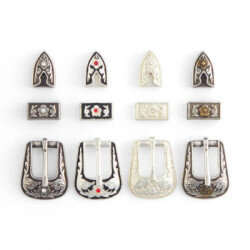
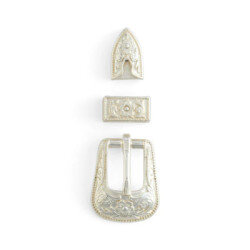
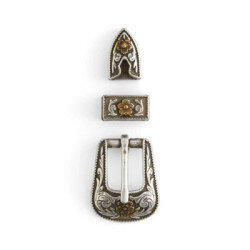
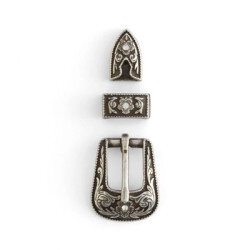
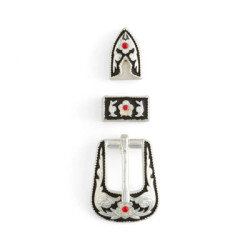
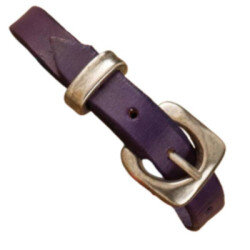
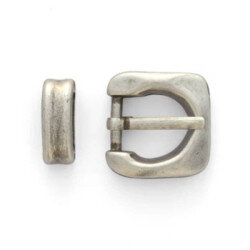
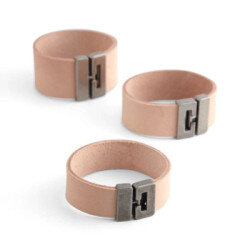
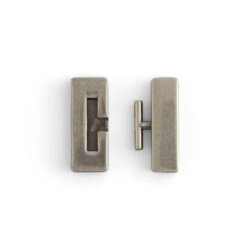
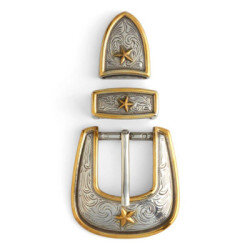
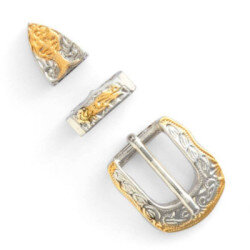
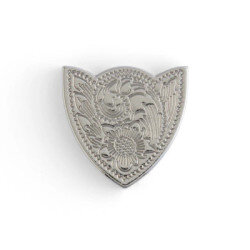
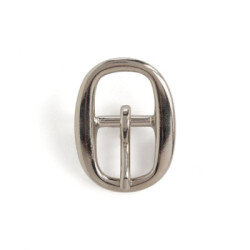
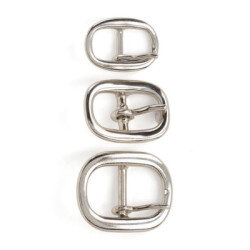
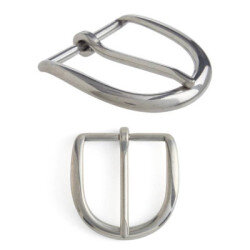
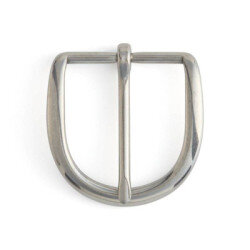
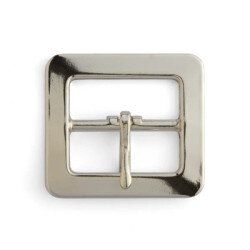
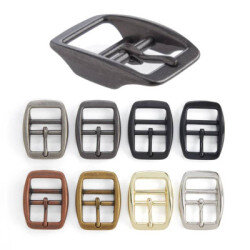
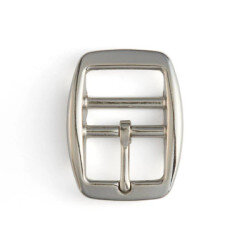
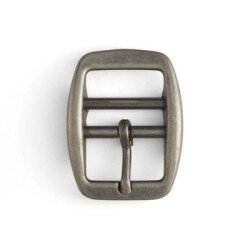
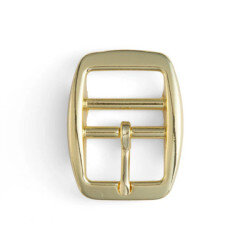
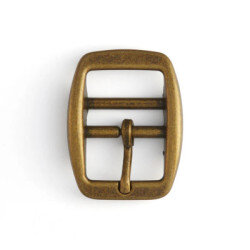
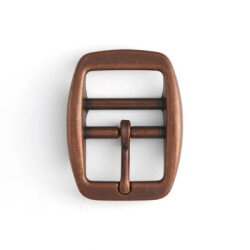
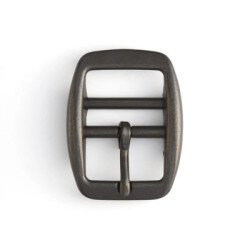
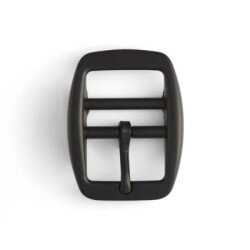
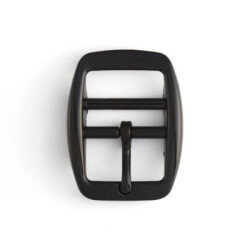
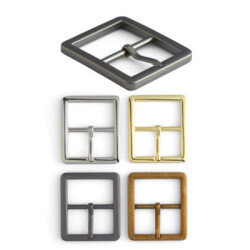
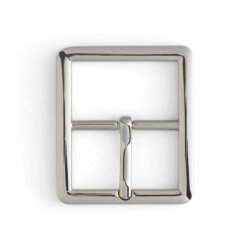
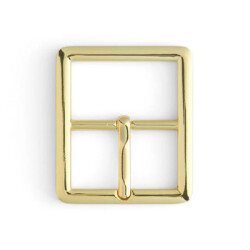
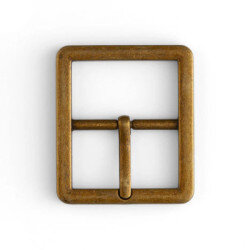
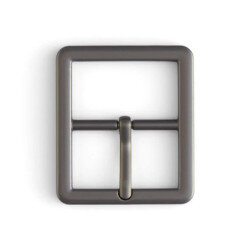
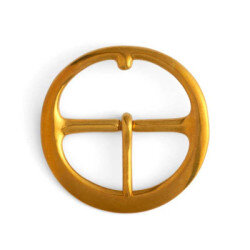
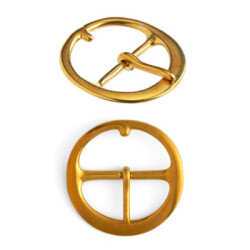

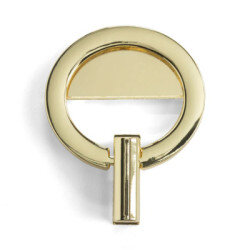
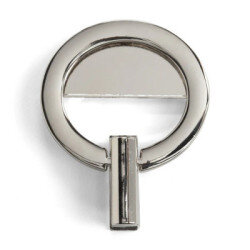
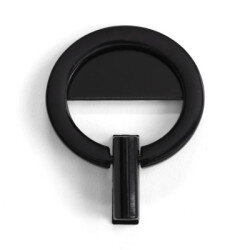
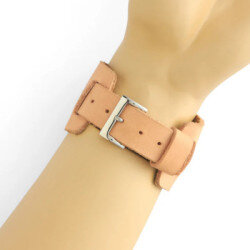
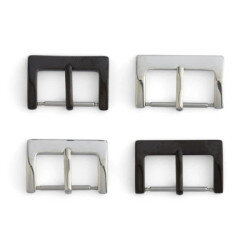
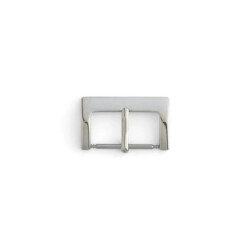
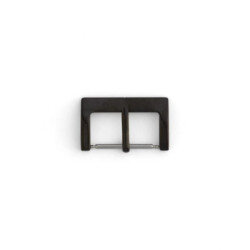
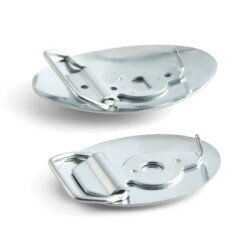
€3.33 (tax incl.)
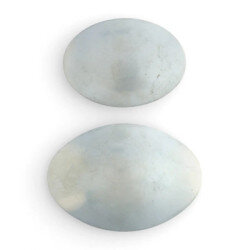
Sizes: - small: 7x5 cm (strip width: 25 - 38 mm) - large: 9x6 cm (strip width: 38 - 44 mm)
Showing 141-168 of 172 item(s)
Leather is the most used material for manufacture of sheaths for all sorts of items, for its resistance and ease of work. Sheaths of knives, guns and other crafts. We have vegetable leather, dyed leather and exotic skins: alligator, snake,...
Leather Crafting Guide: Creating Custom Sheaths, Scabbards, and Gear Cases
Leather remains the premier choice for crafting durable, attractive, and functional knife sheaths, scabbards, and gear cases. This time-tested material offers unique properties that make it ideal for protecting and carrying valuable tools and equipment. Its natural characteristics provide both protection and aesthetic appeal that improves with age.
Types of Leather
- Superior durability and strength
- Natural surface characteristics
- Develops attractive patina
- Best water resistance
- Ideal for heavy-duty applications
- Consistent thickness
- Uniform appearance
- Excellent workability
- Good durability
- Perfect for refined projects
- Ideal for wet molding
- Traditional appearance
- Takes tooling well
- Environmental friendly
- Perfect for custom designs
Choosing the Right Thickness
- 8-10 oz: Large survival knives
- 6-8 oz: Standard tactical knives
- 4-6 oz: EDC knives
- 2-4 oz: Small pocket knives
- 10-12 oz: Sword scabbards
- 8-10 oz: Large machete scabbards
- 6-8 oz: Standard scabbards
Gear Cases
- 6-8 oz: Heavy-duty cases
- 4-6 oz: Standard equipment cases
- 2-4 oz: Light-duty pouches
Essential Tools for Leather Crafting
Design Considerations
Functional Elements
- Retention Systems
- Snap fasteners
- Straps
- Friction fit
- Belt loops
Access and Draw
- Quick deployment
- Secure grip
- Smooth release
- Safe retention
Aesthetic Features
- Tooling patterns
- Color combinations
- Decorative stitching
- Surface treatments
Construction Techniques
- Pattern Making
- Template Creation
- Accurate measurements
- Proper allowances
- Test fitting
- Pattern transfer
- Material Layout
- Grain direction
- Stretch consideration
- Quality selection
Assembly Steps
- Basic Construction
- Cut leather pieces
- Thin edges where needed
- Mark stitching lines
- Apply adhesive
- Position components
- Create stitch holes
- Perform stitching
- Finish edges
Advanced Techniques
- Wet molding
- Leather forming
- Multiple layer construction
- Hardware installation
Specialized Applications
Knife Sheaths
- Design Features
- Blade protection
- Easy access
- Secure retention
- Wear resistance
Carry Options
- Belt mount
- Scout carry
- Neck carry
- MOLLE attachment
Sword Scabbards
- Reinforced tip
- Throat protection
- Suspension system
- Weather resistance
Gear Cases
- Protection Features
- Padding options
- Moisture resistance
- Impact protection
- Secure closure
- Organization
- Multiple compartments
- Adjustable dividers
- Tool-specific slots
- Quick access
Leather Care and Maintenance
Regular Care
- Clean with leather soap
- Apply conditioner
- Remove dirt promptly
- Store properly
Long-term Preservation
- Avoid extreme temperatures
- Maintain proper humidity
- Regular conditioning
- Repair when needed
Troubleshooting Common Issues
Construction Problems
- Uneven stitching
- Poor edge finishing
- Weak retention
- Inconsistent dye
Solutions
- Practice proper technique
- Use quality tools
- Follow proper steps
- Test thoroughly
Advanced Design Elements
- Custom Features
- Decorative Elements
- Tooling patterns
- Color accents
- Exotic leathers
- Custom hardware
Functional Additions
- Secondary pockets
- Multi-tool carriers
- Modular attachments
- Quick-release systems
Safety Considerations
- Proper tool handling
- Chemical safety
- Ventilation
- Eye protection
Material Selection Tips
- Quality Indicators
- Even thickness
- Consistent color
- No surface flaws
- Good flexibility
Professional Techniques
- Edge Finishing
- Proper cutting
- Even beveling
- Smooth burnishing
- Final coating
Conclusion
Creating leather sheaths, scabbards, and gear cases requires attention to detail, proper technique, and quality materials.
Success comes from:
- Understanding leather properties
- Using appropriate tools
- Following proper techniques
- Maintaining quality standards
- Regular practice
- Attention to detail
- Continuous learning
Remember that each project provides an opportunity to improve skills and develop new techniques. Start with basic projects and progressively tackle more complex designs as your expertise grows.
Essential Elements for Success
- Select quality materials
- Invest in proper tools
- Practice basic techniques
- Pay attention to details
- Focus on functionality
- Consider aesthetics
- Maintain high standards
The art of leather crafting for tactical equipment combines traditional skills with modern requirements. Whether creating a simple knife sheath or an elaborate sword scabbard, the principles of quality construction and attention to detail remain paramount.