€13.25 (tax incl.)
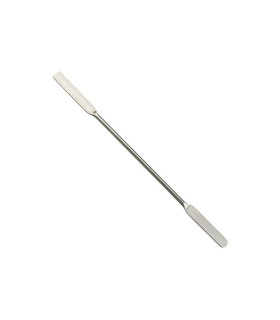
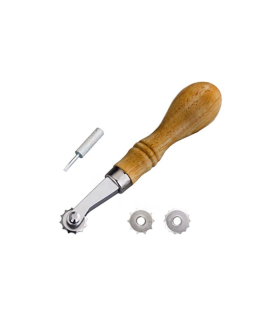
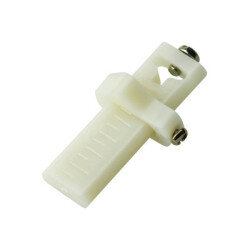
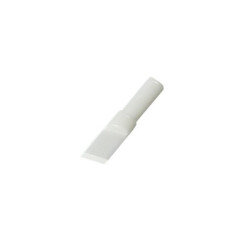
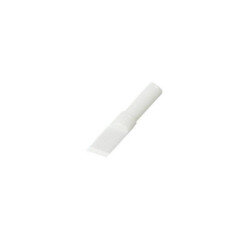
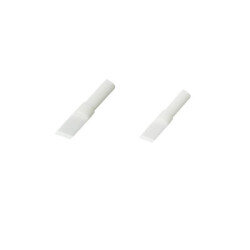
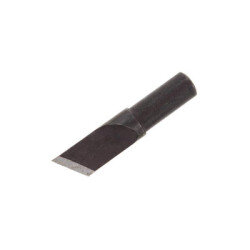
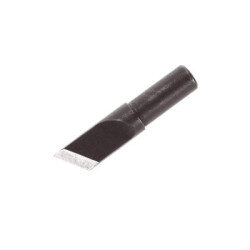
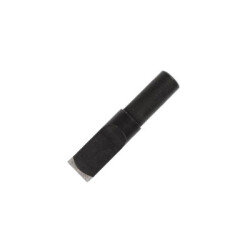
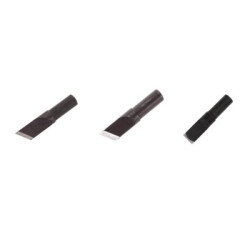
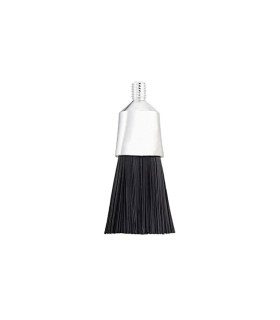
Replacement brush for Teflon Cement Pot Keeper.
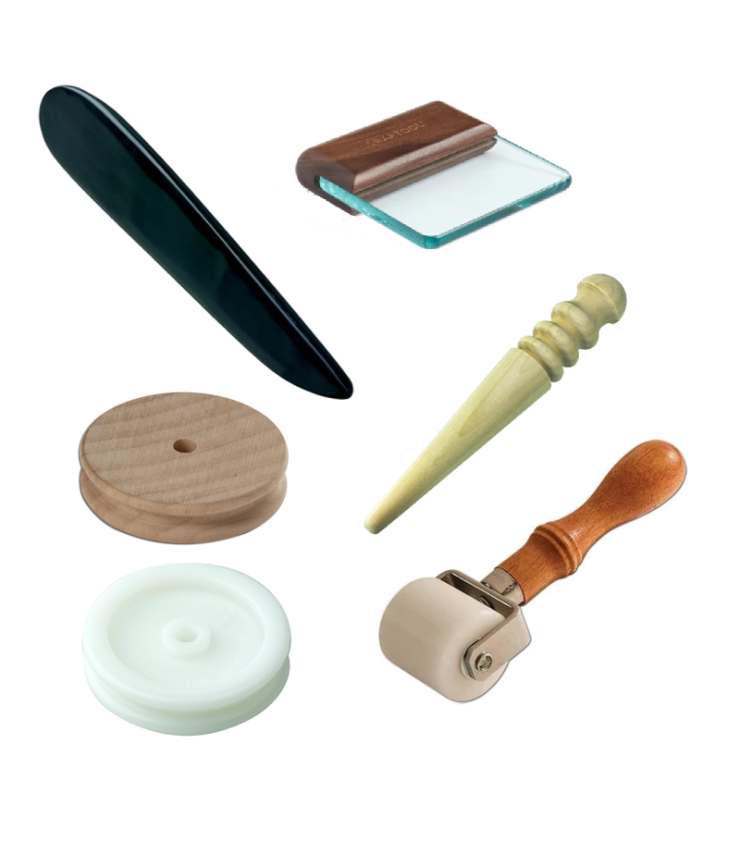
Leather embossing tools, used by professional craftsmen. Gravers, stamps, mallets, dies, machines and supplies for carving leather.
Leather embossing is the art of creating raised designs on leather surfaces, adding depth, texture, and a unique visual appeal. Embossing is used to decorate leather equipment, transforming functional items into works of art. This comprehensive guide explores the essential tools and techniques used in leather embossing, with particular emphasis on their applications in saddlery and occasional nods to similar techniques used in related crafts such as sheath making.
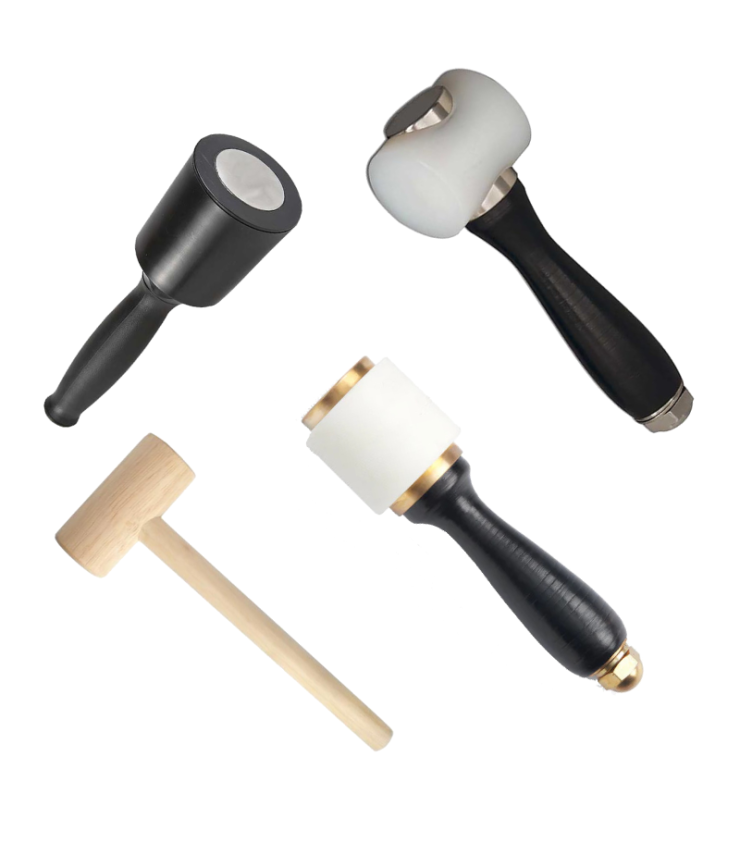
Mallets are essential tools for leather embossing, providing the force needed to create impressions with stamps and other tooling instruments. Leather mallets typically have a round or slightly barrel-shaped head made of wood, rawhide, or nylon. The choice of material depends on the desired level of impact and noise. Wooden mallets offer a balance of power and control, while rawhide mallets provide a softer impact, reducing the risk of damaging delicate stamps. Nylon mallets are durable and offer consistent performance.
A mallet’s weight and the force applied influence the depth and clarity of the embossed design. The sheath making world also employs mallets when shaping and setting leather around a knife or sword form to create a snug fit.
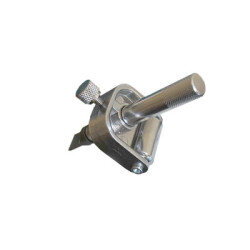
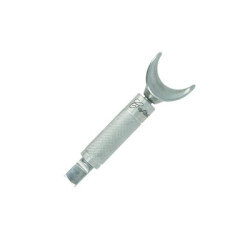
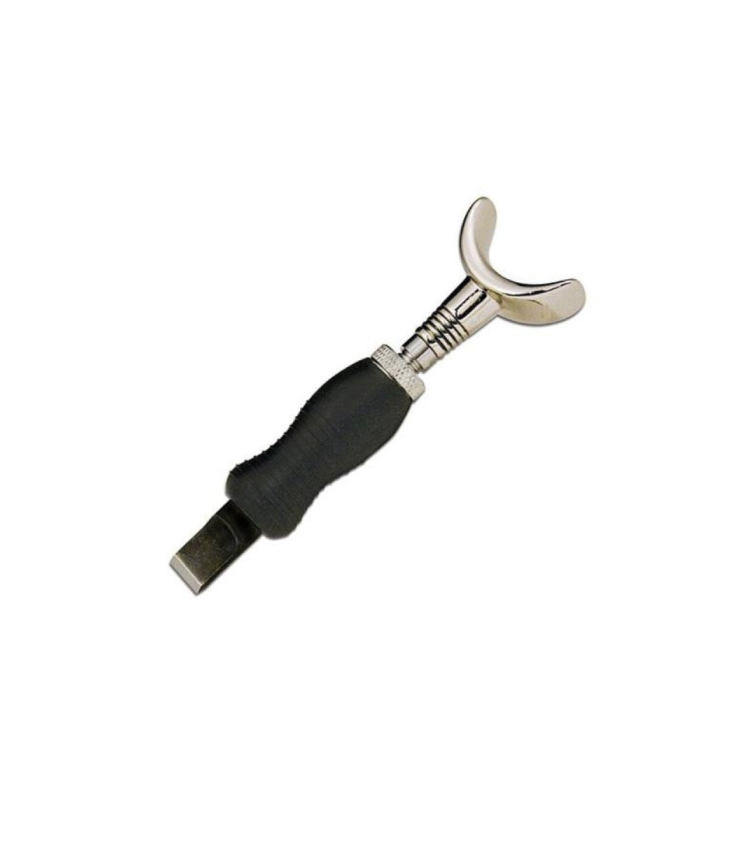
Are used to create precise cuts in the leather surface, outlining the design and allowing for subsequent carve and shape. The swivel knife features a rotating blade that allows for smooth, controlled cuts, following intricate patterns with ease.
Swivel knives are used to trace intricate floral patterns, geometric designs, or personalized on surfaces. These cuts define the edges of the embossed areas, creating depth and dimension. The importance of these knives also extends to the creation of leather sheaths, where defining lines are needed.
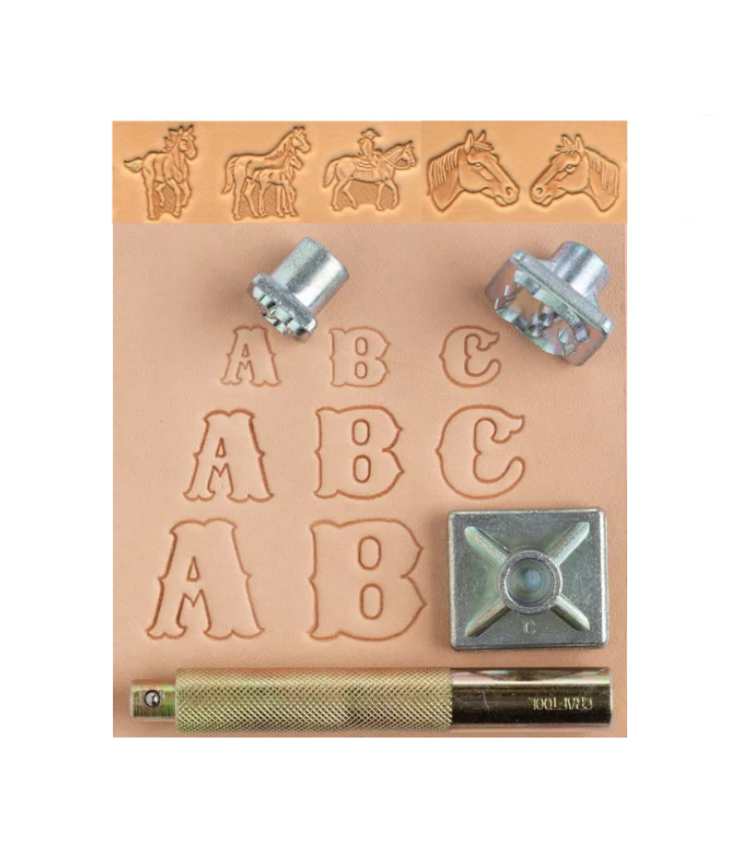
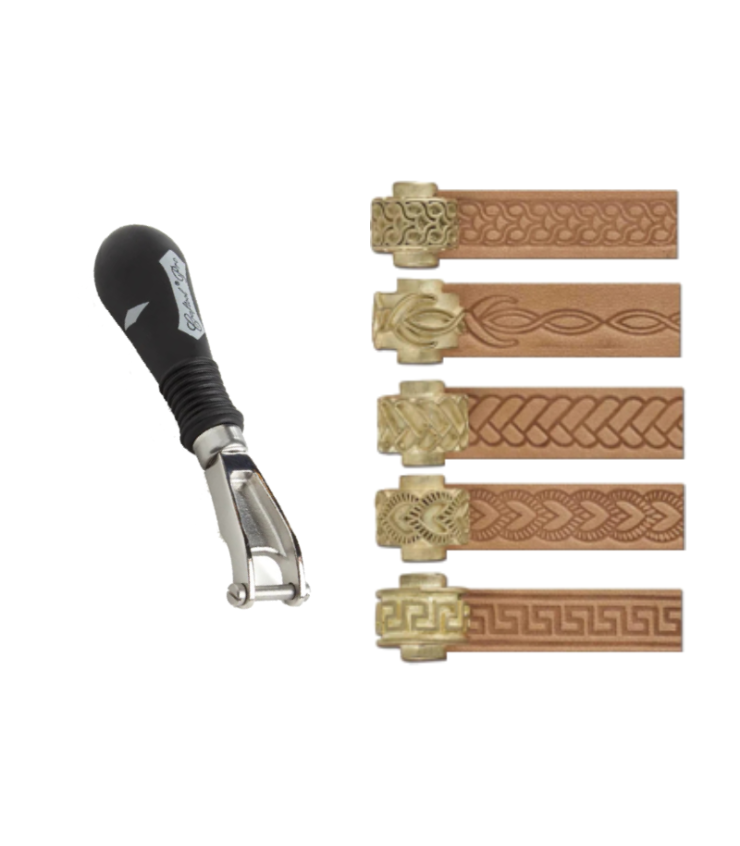
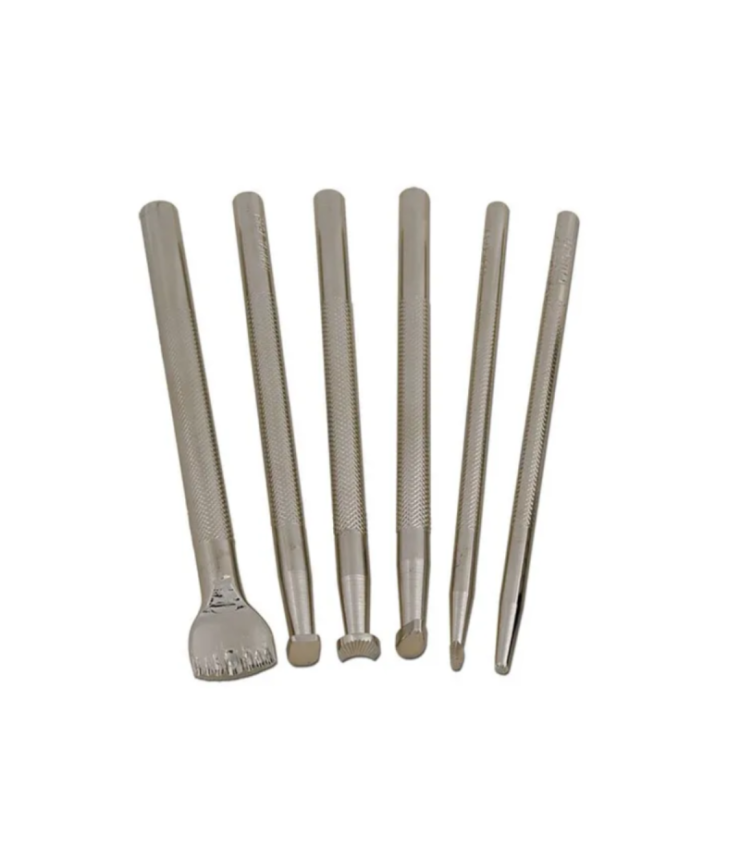
Leather stamp tools are used to create specific patterns and textures on the leather surface. These stamps come in a wide variety of designs, including geometric shapes, floral motifs, and figurative images, and are struck with a mallet to create an impression on the leather. They are typically made of metal or steel forge, you can also find made by casting, (much cheaper but have very short life), the high end are made of steel forged or brass.
Stamps are used to add repetitive patterns, create borders, and fill in larger areas with texture. Common stamps include basketweave, camouflage, and floral designs, adding depth and visual interest to the leather surface. Stamps can also be used to create a tooled or hand-carved look efficiently. The application of such stamps can cross over into sheath making, lending a personalized touch to the final product.
Template aids are used to guide the carving knife and stamps, ensuring accurate and consistent designs. These templates can be made of metal, acrylic, or sturdy plastic, and feature precise cutouts or etched lines that serve as guides for the embossing process.
Templates are used to create repeatable patterns, intricate borders, and complex designs with precision and ease. They are particularly useful for large-scale projects or when creating multiple identical items. While less common in freehand sheath making, templates can assist in creating consistent strap patterns or decorative borders.
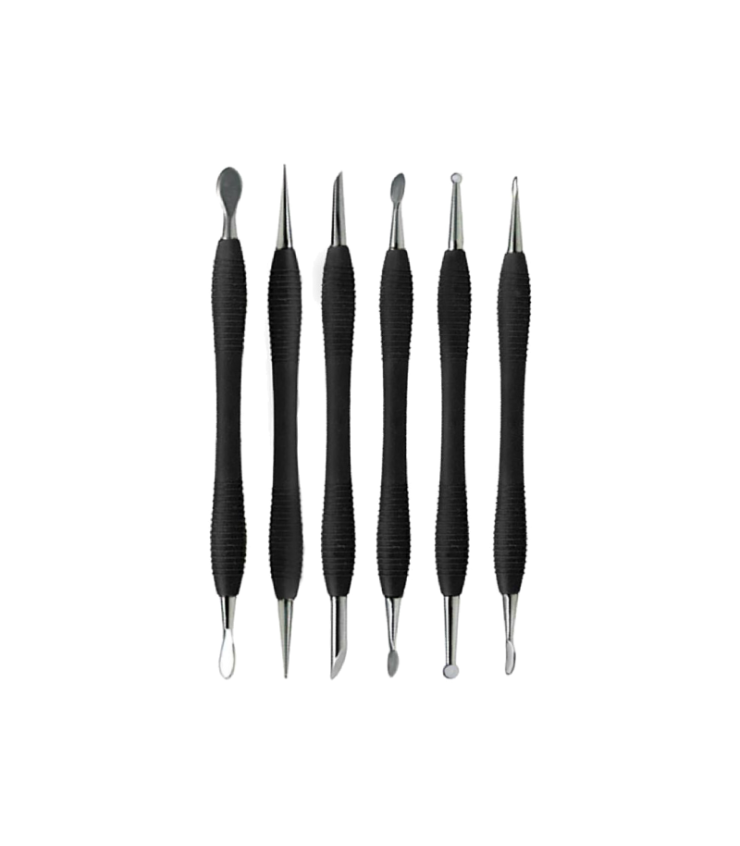
Used to shape and refine the embossed design, adding depth, dimension, and detail. These tools come in a variety of shapes and sizes, each designed for specific modeling tasks. Common modeling tools include spoons, shaders, and stylus tools.
Modeling tools are used to lift and shape the leather, accentuating the embossed design and creating a three-dimensional effect. Spoons are used to smooth and round edges, while shaders add depth and texture. Stylus tools are used for fine detail work and creating sharp lines.
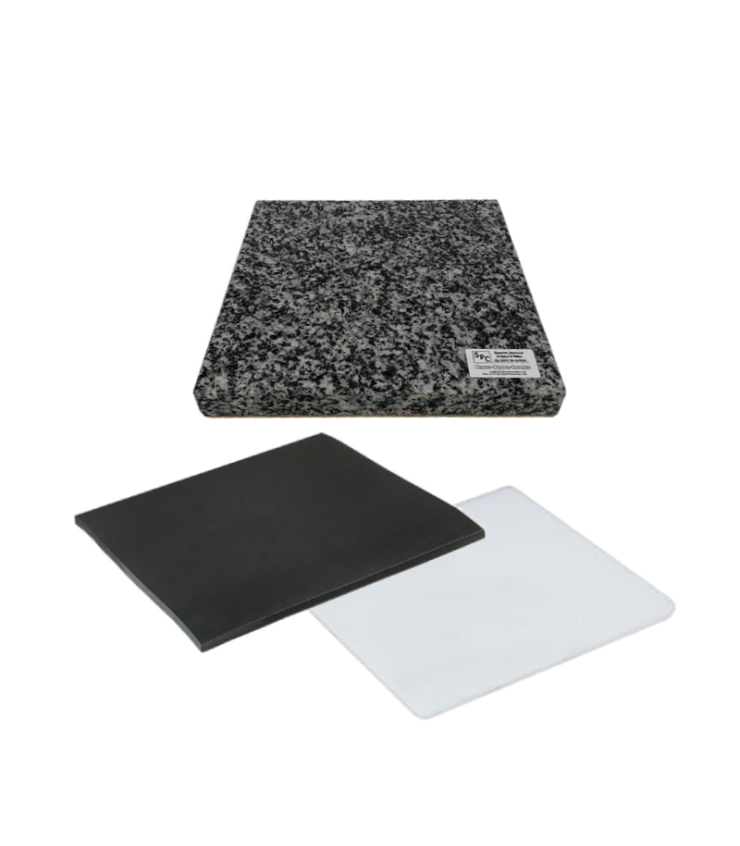
Embossing slabs and boards provide a solid, even surface for the embossing process. These slabs are typically made of marble, granite, or dense polymer materials, providing a stable base that absorbs the impact of the mallet and ensures consistent impressions.
Using a high-quality embossing slab is essential for achieving clean, precise impressions, preventing the leather from shifting or deforming during the embossing process. The same principles apply to sheath making, where a stable surface ensures consistent results.
Leather stamps come in two primary types: 2D and 3D stamps. 2D stamps create a flat impression on the leather surface, while 3D stamps create a raised, three-dimensional effect. The choice between 2D and 3D stamps depends on the desired level of detail and the overall aesthetic of the design. With all kind of motiff: animals, flowers, simbols, flags,...
In saddlery, 2D stamp dies are often used for creating repetitive patterns and backgrounds, while 3D are used for creating focal points and adding depth to the design. Both types of stamps can be used in combination to create complex and visually appealing embossed surfaces. These stamps also have limited uses for more complex, decorative leather sheaths.
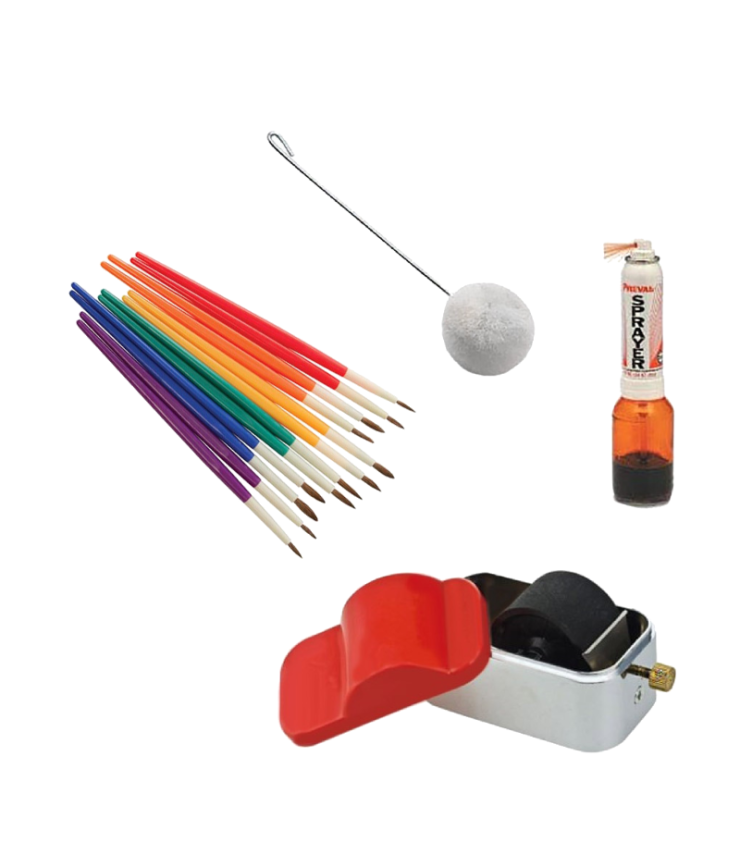
Brushes are used to apply finishes and sealants to the embossed leather, protecting the design and enhancing its visual appeal. These brushes come in various sizes and materials, each designed for specific finishing tasks.
Used to apply dyes, antiquing agents, and protective topcoats to the embossed leather, enhancing the color, texture, and durability of the design. Soft-bristled brushes are used for delicate finishes, while stiffer brushes are used for applying heavier coatings. These methods transfer to sheath making and applying finishing touches.
Mastering leather embossing requires a combination of skill, creativity, and the right tools. From the foundational mallet and carve knife to specialized stamp dies and modeling tools, each instrument plays a crucial role in creating stunning, textured designs on leather surfaces. Whether you're decorating, crafting a sheath, or embellishing any other leather item, understanding and utilizing these embossing tools will elevate your craft to create exceptional pieces that showcase your artistry and attention to detail.
Please sign in first.
Sign in
Create a free account to save loved items.
Sign in